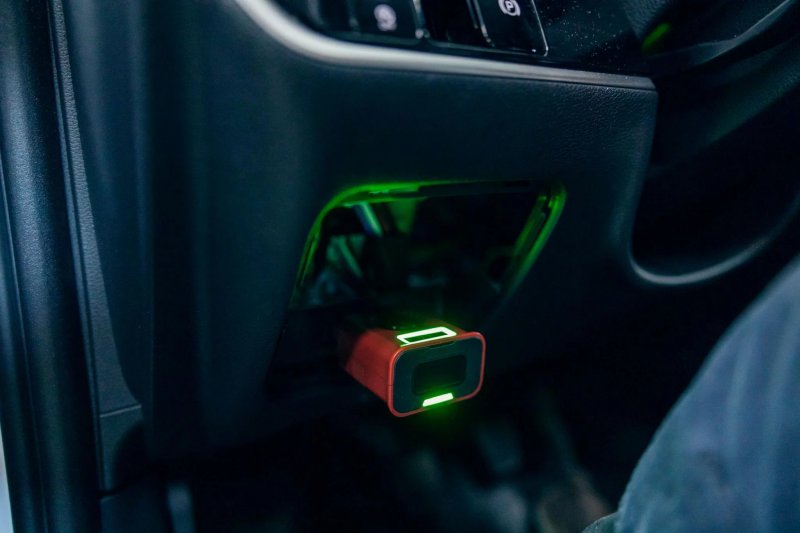
The plug-in device is designed to connect to a vehicle’s onboard diagnostics port and is marketed as a tool that can improve fuel efficiency by adjusting engine performance based on driving behaviour. Manufacturers say it can optimise fuel injection and timing, potentially reducing fuel consumption and improving overall engine responsiveness, News.az reports.
The product is typically priced in the range of $40 to $50, positioning it as a low-cost option for drivers looking to cut fuel expenses without making major modifications to their vehicles.
However, analysts note that while the concept appears plausible, real-world results remain uncertain. Some user feedback suggests modest improvements in fuel efficiency, but these gains are often lower than the more ambitious claims made in marketing materials.
Experts also highlight a lack of independent verification for the device’s performance. Reviews indicate that no peer-reviewed or certified testing has confirmed the specific fuel-saving claims associated with this product.
More broadly, regulators and researchers have previously raised concerns about similar plug-in fuel-saving devices, noting that many have failed to demonstrate significant improvements in controlled testing environments.
Another point of uncertainty relates to how effectively such devices can interact with modern vehicle systems. While they can read diagnostic data, modifying engine behaviour typically requires more advanced access than standard consumer devices provide, according to engineering assessments.
Reports also point to inconsistencies in advertised guarantees, with differing return periods cited in product materials, prompting advice that buyers should confirm refund terms directly before making a purchase.
Consumer guidance suggests checking compatibility with specific vehicle models, reviewing return policies and approaching performance claims with caution. While the device may offer limited benefits for some users, expectations of large fuel savings may not be realistic.
The renewed attention comes as rising fuel prices continue to drive demand for cost-saving technologies, even as experts urge buyers to rely on proven methods such as efficient driving habits and regular vehicle maintenance.