Hungary returns $82 million in seized Ukrainian cash and gold after months of tensions


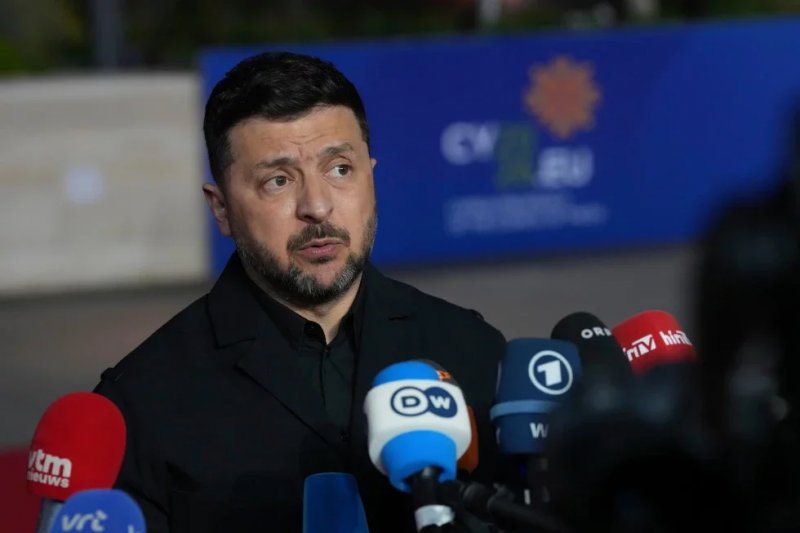
Hungary has returned a shipment of Ukrainian cash and gold worth around $82 million to Ukraine’s state Oschadbank, Ukrainian President Volodymyr Zelenskyy announced on Wednesday.
The valuables had been seized by Hungarian counter-terrorism authorities on March 5 while being transported through Hungary in two armored vehicles, News.Az reports, citing The Associated Press.
The shipment included $40 million, €35 million in cash, and 9 kilograms of gold. Hungarian authorities said at the time they suspected possible money laundering and ordered the assets to remain in custody while an investigation was carried out.
RECOMMENDED STORIES
The seizure sparked strong criticism in Ukraine, where officials accused the Hungarian government of acting illegally and using the situation as political pressure amid disputes over Russian oil transit through Ukraine. Tensions between the two countries had already been high over Hungary’s access to Russian oil via the Druzhba pipeline.
Zelenskyy described the return of the assets as “an important step” in relations between the two countries following Hungary’s recent election, which ended Viktor Orbán’s time in power and raised expectations of a less confrontational policy toward Kyiv.
The Ukrainian employees accompanying the shipment had been detained for more than 24 hours before being expelled from Hungary. Ukrainian officials maintained that the transfer was a routine movement of assets between state banks and denied any wrongdoing.
Hungarian authorities had also announced plans to investigate the origin and intended use of the money, as well as possible links of those involved to criminal or terrorist organizations. Orbán had previously suggested, without presenting evidence, that the funds could have been connected to domestic political activities in Hungary.
The dispute unfolded alongside wider disagreements between Budapest and Kyiv over energy supplies and European Union support for Ukraine. Hungary had earlier blocked a major EU loan package for Ukraine, but later lifted its veto after Russian oil flows through the Druzhba pipeline resumed.
By Leyla Şirinova


Similar news