Huntington’s disease successfully treated for the first time


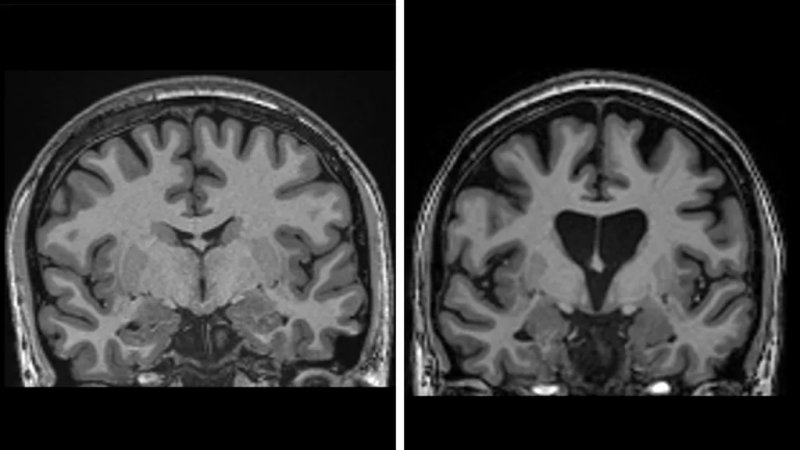
For the first time, doctors have successfully slowed the progression of Huntington’s disease, one of the most devastating and hereditary neurological conditions. The breakthrough offers real hope to thousands of patients and families affected by the disease.
Huntington’s gradually kills brain cells and combines symptoms of dementia, Parkinson’s, and motor neuron disease. In a recent trial led in the UK by Professors Sarah Tabrizi and Ed Wild, data showed the disease’s progression was slowed by an average of 75%, meaning that the decline normally seen in one year would now take four years. This could give patients decades of “good quality life,” Prof. Tabrizi told, News.Az reports, citing BBC.
The treatment is a form of gene therapy delivered via 12 to 18 hours of delicate brain surgery. It targets the mutant huntingtin gene, which produces a toxic protein that destroys neurons. Using a specially engineered virus, the therapy delivers genetic material directly into the brain’s caudate nucleus and putamen. There, it instructs cells to produce microRNA that blocks the instructions for creating the mutant huntingtin protein, effectively reducing its levels in the brain.
The trial involved 29 patients, with some previously unable to walk or work now showing dramatic improvement. Brain scans confirmed that neuron loss had slowed, and levels of neurofilaments, markers of cell death, were lower than before treatment.
“This is the result we’ve been waiting for,” said Prof. Ed Wild. “The magnitude of the effect is breathtaking. It’s hard to fully capture the emotion of knowing this is possible.”
One participant, Jack May-Davis, who carries the faulty gene, described the breakthrough as “absolutely incredible,” giving him hope for a longer, healthier life.
The therapy was generally safe, though some patients experienced temporary inflammation, headaches, or confusion, treatable with steroids. Experts expect the effect to last for life, as brain cells are not naturally replaced.
Approximately 75,000 people in the UK, US, and Europe currently have Huntington’s, with hundreds of thousands carrying the gene. The therapy is likely to be expensive due to the complexity of the procedure, though it represents a transformative step forward. UniQure plans to apply for US approval in early 2026, with UK and European approvals to follow.
Prof. Tabrizi described the therapy as “the beginning” of a new era, with the potential to prevent or significantly delay Huntington’s in people who carry the gene but have yet to show symptoms.
“This breakthrough brings hope where there was once none,” she said, paying tribute to the trial’s volunteers.


Similar news