Igor Petrenko: The West will continue to tighten sanctions against Russia


Three years after the start of Russia’s invasion of Ukraine, the situation on the front remains dynamic and complex. Both sides continue to adapt their strategies to the protracted nature of the conflict. Russia is actively using unmanned aerial vehicles and launching missile strikes on Ukraine’s critical infrastructure in an attempt to undermine its economic potential and morale. In response, the Ukrainian army is strengthening its air defense systems and intensifying partisan operations in occupied territories, complicating Russia’s ability to advance and hold its positions.
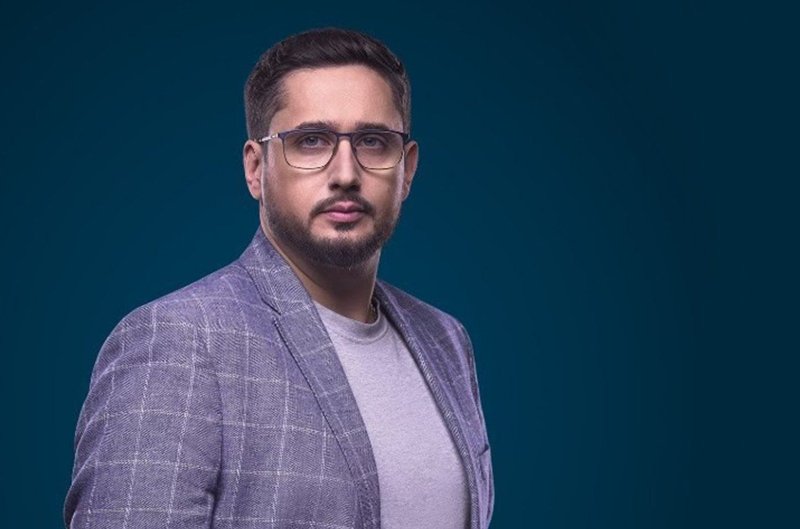
Ukrainian political analyst Igor Petrenko, in a comment to News.Az, noted that Western sanctions have significantly impacted Russia’s economy over the past three years, particularly in the financial and technological sectors.
"Restrictions on high-tech exports and access to international financial markets have slowed Russia’s economic growth. The country’s technological lag is becoming increasingly evident, affecting both its defense and industrial sectors," he emphasized.
According to him, despite occasional calls to ease sanctions, particularly from some European politicians, the overall trend remains toward tightening restrictions.
"Western countries see no reason to lift sanctions, as hostilities continue and Russia has not demonstrated a willingness to engage in real negotiations. Moreover, new measures are being discussed that could further weaken Russia’s economy," Petrenko explained.
The analyst also pointed out that international attitudes toward Ukraine and Russia have changed significantly in recent years.
"Ukraine has received unprecedented military, financial, and diplomatic support from the West. At the same time, Russia has faced increasing isolation. However, China, India, and several Central Asian countries continue to cooperate with Moscow based on their national interests," the expert noted.
In his view, the most likely scenario for ending the conflict remains a prolonged standoff with periodic attempts at peace negotiations.
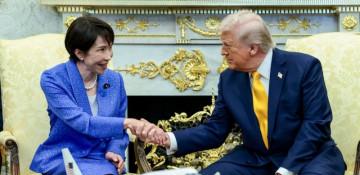
"At this stage, neither side is ready to make real concessions. The possibility of diplomatic resolution, including under the auspices of a potential Donald Trump administration if he returns to the White House, will depend on numerous factors: the domestic political situation in the U.S., the willingness of the parties to compromise, and international pressure. However, for now, the prospects for successful negotiations remain uncertain," Igor Petrenko concluded.


Similar news