Indian university ousted from AI summit for claiming Chinese robot dog


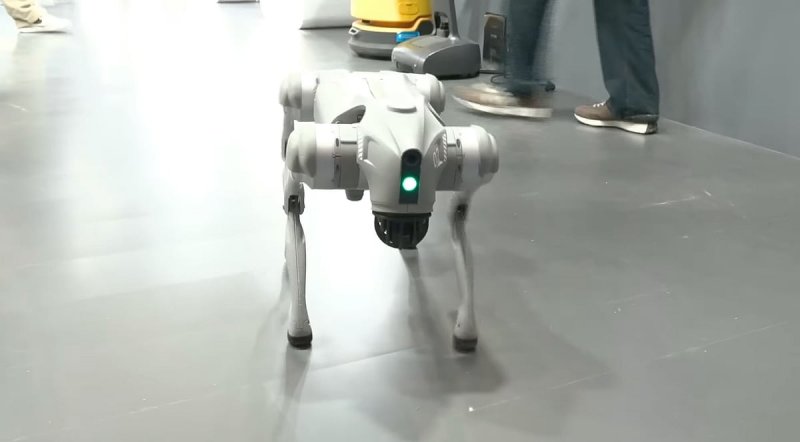
An Indian university was forced to vacate its stall at this week’s flagship AI summit after falsely claiming to have developed a robot dog, which was later revealed to have been made in China.
Galgotias University, which is based in Greater Noida near the capital Delhi, displayed a four-legged robot branded “Orion” at the government-backed AI Impact Summit this week. In footage widely shared on social media, a university representative was seen describing the robot as a product “developed” by one of their university’s industry-collaborative hubs, News.Az reports, citing foreign media.
RECOMMENDED STORIES
Online users were quick to point out that the device was the Unitree Go2, a commercially available robotic dog manufactured by Chinese firm Unitree and sold in India for around £2,000 to £3,000. The university was accused of attempting to pass off imported hardware as an indigenous product at an event intended to showcase India’s technological ambitions.
In a clip from the summit, a staff member appeared to be telling reporters the robot showed the “university's emphasis on hands-on, real world AI deployment”. “This has been developed at the Centre for Excellence at the Galgotias University,” she says.
On Wednesday morning, staff from the university were seen vacating their stall at the event after power was cut to their section. Government sources told the media the university had been ordered to clear out, though the university denied receiving such a directive.
After the controversy erupted online, the university posted a statement on X admitting that the robot dog had been purchased from Unitree and was in fact being used as a learning tool for students.
By Ulviyya Salmanli


Similar news