Japan's exports jump on strong Asia demand


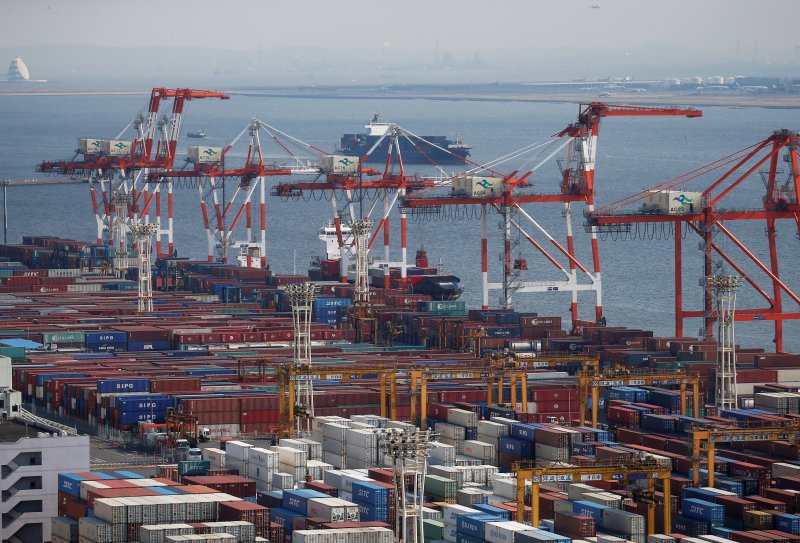
Japan’s exports rose sharply in January, climbing nearly 17% from a year earlier on the back of seasonal factors and strong demand from China and other Asian markets.
According to the Finance Ministry, imports fell 2.5% year-on-year to 10.3 trillion yen ($67 billion), while exports increased 16.8% to 9.19 trillion yen ($59.8 billion). As a result, Japan recorded a trade deficit of 1.15 trillion yen ($7.5 billion), less than half the shortfall posted in the same month last year, News.Az reports, citing AP.
Analysts attributed the strong start to the year in part to the timing of the Lunar New Year, which falls later than usual this year, on February 17, boosting January trade activity.
RECOMMENDED STORIES
Japan’s export-driven economy has been facing pressure from sharply higher tariffs imposed by U.S. President Donald Trump. In the final quarter of last year, the economy expanded at a modest annualized pace of 0.2%, with overall growth for 2025 projected at just 1.1%, as weaker exports offset a slight rise in private consumption.
Trade with the United States showed mixed results. Exports to the U.S. edged down 0.5% in January, while imports from the U.S. rose 3%. Vehicle shipments to the U.S., which account for roughly one-third of Japan’s exports to that market, declined nearly 10%.
Despite diplomatic tensions with Beijing over comments by Prime Minister Sanae Takaichi regarding Taiwan, exports to China surged 32% year-on-year in January. Shipments to Asia as a whole rose 26%, reflecting broad regional demand.
Imports of semiconductors and other computer components recorded the fastest growth, likely driven by the global artificial intelligence boom, which has fueled demand for data center equipment and advanced chips.
However, Norihiro Yamaguchi of Oxford Economics cautioned that the current boost from the U.S. AI surge may not be sustainable. He noted that export gains to Asia excluding China are likely to ease and said overall exports are “highly likely to moderate next month.”
By Nijat Babayev


Similar news