War with Iran: Oil and gas still at the core of global politics


Much has already been said about how much Russia has earned from selling oil and gas to Europe during the years of the war in Ukraine. Yet the issue remains highly topical: today, amid a sharp rise in fossil fuel prices, Russia continues to sell these resources to the West and generate substantial income.
What makes the situation particularly striking is that Russia is enriching itself despite sanctions and persistent anti-Russian rhetoric from Europe. Throughout the war, the EU has repeatedly raised the prospect of abandoning Russian energy, but has consistently postponed any final decision.
Revenue from hydrocarbon exports has exceeded Russia’s war spending. As of the beginning of this year, its war expenditure amounted to $540 billion, according to DW.
According to the Centre for Research on Energy and Clean Air, by May last year Russia had earned more than €883 billion ($973 billion) from fuel exports, including €228 billion from countries that had imposed sanctions. Of this, €209 billion was paid by EU member states. Today, rising global oil prices amid the US and Israeli war against Iran are bringing Russia an additional $150 million per day, according to Financial Times estimates based on industry data. By the end of March, Russia could earn an extra $3.3 billion to $4.9 billion, assuming average oil prices reach $70 to $80 per barrel, compared with $45 in February.

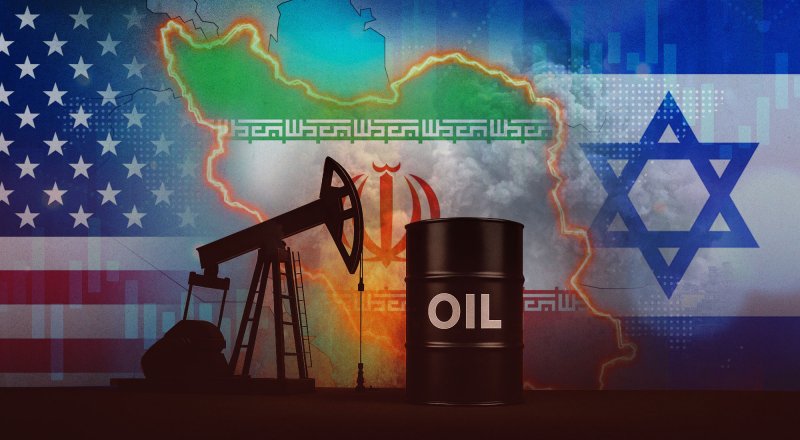
Source: AI
Analysts also estimate that with oil prices above $100 per barrel, Iran is earning more than $140 million per day.
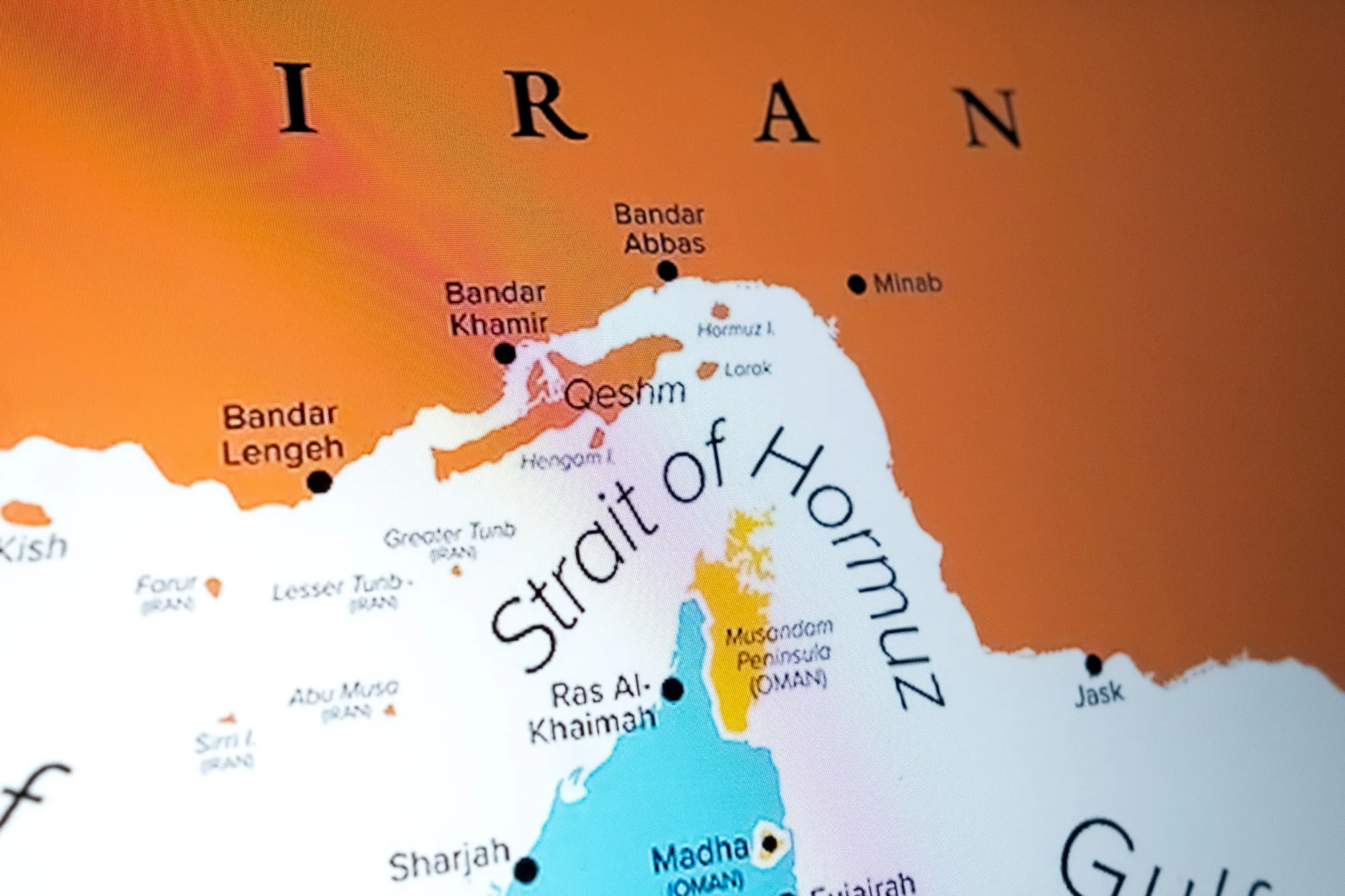
According to reports, since the start of US and Israeli strikes, 13 supertankers have been loaded with oil at Iran’s Kharg Island terminal. Iran exports around 1.5 to 1.6 million barrels per day. In total, about 24 million barrels of Iranian oil have passed through the Strait of Hormuz, even as the Islamic Revolutionary Guard Corps restricts the passage of other vessels. Some Iranian exports are carried out via a so-called shadow fleet, which conceals routes to bypass sanctions. The US Treasury acknowledges that Iran continues to profit from oil exports despite restrictions, but appears willing to tolerate this.
“Iranian ships have already begun sailing, and we have allowed this in order to supply the rest of the world,” US Treasury Secretary Scott Bessent said, according to the Financial Times.
The situation appears paradoxical. Observing US policy, it is difficult to believe that allowing Iran to export oil is purely about protecting consumers. By overlooking ongoing exports to avoid destabilising the market, Washington is effectively enabling Iran to generate significant revenue, helping it withstand US and Israeli attacks.
It remains unclear who exactly the United States is prioritising in this case. The main buyer of Iranian oil is China, accounting for more than 90% of exports. Trade is largely conducted through independent refineries using a shadow fleet to bypass US sanctions. Other major buyers, such as India, Türkiye, Japan and South Korea, have significantly reduced their purchases due to sanctions pressure.
This raises the question of which “rest of the world” is actually being supplied.
Analysts also note that while the US has struck Kharg Island, it has avoided targeting Iran’s broader oil infrastructure. Even after the bombings, Iran’s oil sector has continued to operate as usual.
According to Scott Bessent, the US hopes Iran will voluntarily reopen the Strait of Hormuz. These expectations are partly based on Tehran allowing some Indian and Chinese vessels to pass through the strait.
Source: Reuters
It is worth recalling that earlier, amid tensions in the Strait of Hormuz, the US eased sanctions on Russian oil and allowed third countries to purchase it under certain conditions. The US Treasury said this would not bring significant financial benefits to Russia, yet Russia is now earning around $150 million per day from fossil fuel exports.
The current war has once again shown that the world is still far from abandoning oil and gas. Energy security remains a top priority, forcing countries to overlook even the actions of adversaries during major conflicts.
Although oil prices remain volatile, there is little expectation of a sharp decline in the near future. As of the morning of 18 March, the price of Azerbaijan’s Azeri Light crude, despite falling by $1.03, remained high at $108.16 per barrel. Brent crude futures for May were also elevated, opening at $103.31 per barrel.
All indications suggest that what is unfolding in the Middle East is not merely a war, but part of a broader strategic game. The United States appears reluctant to burn bridges, still hoping that the Iranian crisis may resolve itself. Whether it will, however, remains an open question.
By Tural Heybatov


Similar news