Jet fuel crisis disrupts Nigerian airline operations


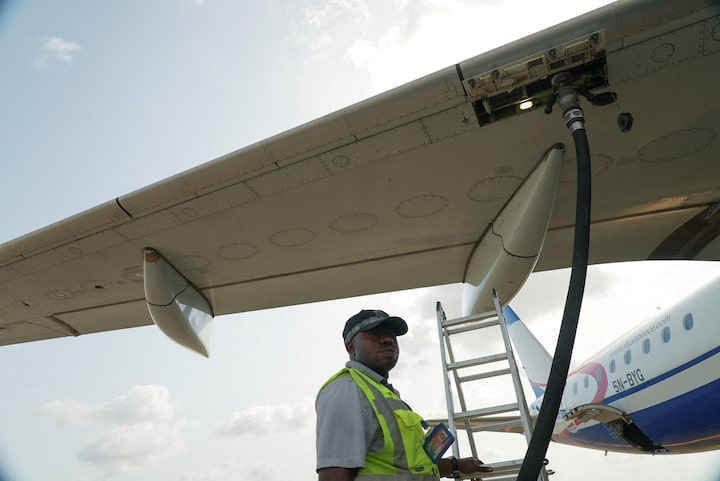
Nigeria’s airline industry is facing growing operational disruptions as soaring jet fuel prices and supply shortages continue to strain flight schedules, increase costs, and raise safety concerns across the sector.
Airlines operating in Nigeria are reporting widespread delays, route adjustments, and extended crew duty periods as they struggle to manage operations amid persistent fuel scarcity and rising expenses, News.Az reports, citing Reuters.
Industry groups say the situation has become increasingly difficult for carriers already dealing with foreign exchange volatility, high maintenance costs, and infrastructure challenges across the aviation sector.
RECOMMENDED STORIES
The National Association of Aircraft Pilots and Engineers (NAAPE) warned that ongoing jet fuel shortages are pushing flight crews beyond normal operational limits, increasing fatigue risks and putting additional pressure on safety systems.
Some domestic airlines have already begun adjusting their networks. Carrier Rano Air reported that jet fuel prices have increased more than fourfold, making several routes financially unsustainable and forcing operational changes.
Other airlines have also reportedly reduced flight frequencies or suspended unprofitable routes as fuel costs continue to rise.
Fuel remains one of the largest operating expenses for airlines in Nigeria, where air travel plays a crucial role in connecting major cities due to limited road infrastructure and security concerns.
The sector has also faced recent tensions over pricing, with airlines previously warning of potential service disruptions due to what they described as elevated and unsustainable fuel costs.
Regulators, including the Nigerian Midstream and Downstream Petroleum Regulatory Authority, have maintained that fuel prices remain deregulated and will not be capped, with any changes to pricing policy to be formally communicated.
Although domestic refining capacity is expanding and new supply sources are entering the market, operators say these developments have yet to significantly ease cost pressures for airlines.
Analysts warn that continued disruption could affect flight safety margins, aircraft scheduling, and maintenance planning, adding further strain to an already pressured aviation industry.
By Aysel Mammadzada


Similar news