Lyrid meteor shower returns tonight with peak expected on April 22


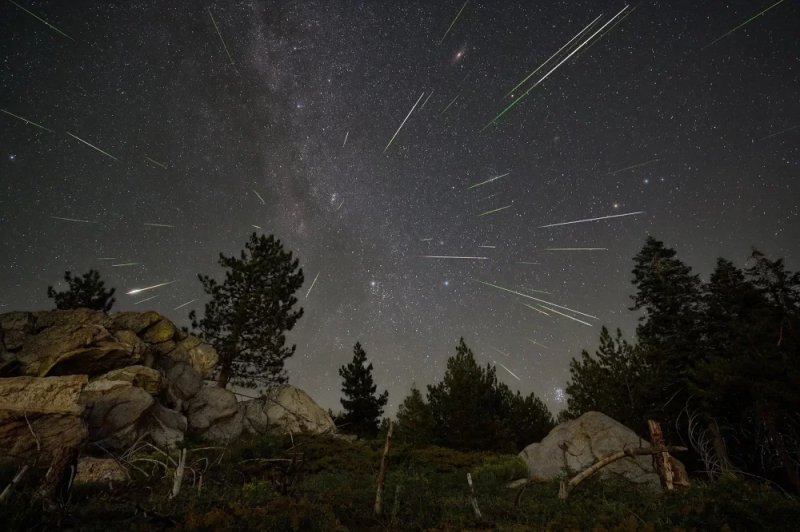
The world’s oldest known meteor shower is once again set to light up our skies from tonight, but the question on everyone’s mind is whether you’ll be able to see the Lyrid meteor shower.
The Royal Greenwich Observatory has said that the Lyrids will be active between April 16 and 25 this year and, much like last year, there will be a peak on the night of April 22, News.Az reports, citing Metro.
Once a year, the Earth passes through the trail left by the comet C/1861 G1 Thatcher, creating the oldest recorded meteor shower still visible, after it was first spotted in 687 BCE.
RECOMMENDED STORIES
The shower’s name comes from the Lyra constellation, where the meteors appear to originate from in the sky, even though in reality they have nothing to do with the distant stars. The sky is expected to light up as the meteors whizz past at around 30 miles per second, moving so fast the air particles in front can’t get out of the way in time.
Instead, they’re rapidly compressed and start to heat up, raising the temperature around the meteor to as high as 1,600C° – causing the meteor to shine brightly as it streaks across the sky.
Here’s everything you need to know about the Lyrid meteor shower. Best time to see the meteor showerAs mentioned, the Lyrids began tonight on April 16 and will be visible until April 25, and the shower reaches maximum on April 22 just days before the Quarter Moon.
The best time to view the Lyrid meteor shower is in the early morning of the shower’s peak day: next Wednesday. The meteors will be highly visible from around 2am once the Moon has set and the Earth has spun towards the cloud of debris the Lyrids originate from. What’s the best way to view the 2026 Lyrid meteor shower?
Greenwich Observatory said the best way to see the showers is at a dark site with an unobstructed view of the sky while lying down. The observatory added: ‘The number of meteors you actually see will depend on all sorts of things, from the time of night to the level of background light.
‘A bright sky will drown out the fainter meteors, making them much more difficult to see.’


Similar news