The surge reflects the rapidly increasing energy demands driven by artificial intelligence and large scale computing infrastructure, News.Az reports.
AI boom drives unprecedented energy demand
Meta’s data centers, which support platforms like Facebook and Instagram as well as AI systems, require vast amounts of electricity to operate continuously. As AI workloads grow more complex, power consumption has risen sharply across the tech sector. To meet this demand, companies are turning to reliable always on energy sources. Natural gas has emerged as a preferred option due to its availability and ability to provide stable baseload power when renewable energy alone cannot meet peak demand.
A gas driven expansion strategy
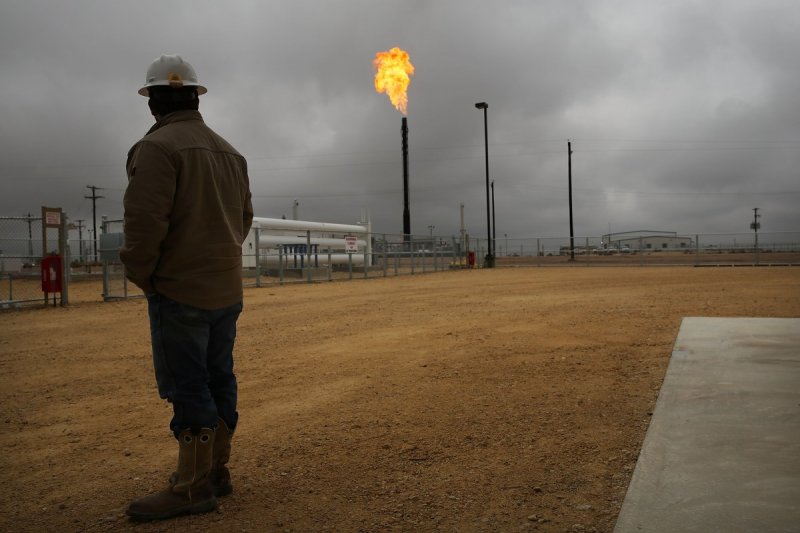
Meta’s approach involves building or supporting new natural gas power infrastructure near its data center sites. This allows the company to bypass constraints in existing electricity grids and accelerate the deployment of AI facilities. However, this growing dependence on fossil fuels has sparked criticism, particularly given the company’s public commitments to sustainability and carbon reduction.
Scale comparable to a U.S. state
The scale of Meta’s projected energy use is striking. Analysts suggest that the electricity required for its expanding data center footprint could match or even exceed the total consumption of smaller U.S. states. This comparison highlights how AI is reshaping energy markets, turning technology companies into some of the largest power consumers in the world.
Infrastructure strain and independent power systems
The rapid expansion of data centers is placing increasing pressure on traditional power grids. In response, tech companies are investing in independent energy systems to ensure reliable supply. These systems often rely heavily on natural gas due to its scalability and speed of deployment, though critics argue this approach risks increasing emissions and undermining climate goals.
Environmental and regulatory challenges
Meta’s growing reliance on gas raises important environmental questions. While natural gas is cleaner than coal, it is still a fossil fuel and contributes to greenhouse gas emissions. Regulators and local communities are increasingly scrutinizing such projects, particularly where new power plants are required. Concerns include air quality, long term sustainability and the potential burden on local energy infrastructure.
A broader industry shift
Meta is not alone in this approach. Across the technology sector, companies are rethinking how to power the next generation of computing. The race to build AI infrastructure is driving massive investments not only in data centers but also in energy production and distribution. This shift is effectively blurring the line between technology firms and energy providers, as companies take a more direct role in securing their own power supply.
Outlook
Meta’s expanding reliance on natural gas underscores a fundamental tension in the AI era: the need for enormous computational power versus global climate commitments. While natural gas offers a short term solution to energy constraints, the long term sustainability of this strategy remains uncertain.