2026 World Cup stadiums and host cities - PHOTOS


The 2026 FIFA World Cup will be the largest edition in the tournament's history. Co-hosted by three nations, the United States, Mexico, and Canada, the event features an expanded roster of 48 teams competing across 16 iconic host cities and stadiums.
Because stadium operations, naming restrictions, and geographical assignments differ from standard league setups, this detailed FAQ covers everything you need to know about the venues for this massive tournament, News.Az reports.
The Host Cities & Stadiums Breakdown
Why do some stadiums have different names for the tournament?
Under FIFA guidelines, stadiums cannot use names that feature non-official corporate sponsors during the tournament. Because of this, many world-famous NFL and MLS venues have transitioned to neutral geographical names for the duration of the event (e.g., MetLife Stadium becomes "New York New Jersey Stadium").
RECOMMENDED STORIES
The table below lists all 16 official venues, their temporary FIFA tournament names, and their estimated seating capacities:
Which cities are hosting in Mexico and Canada?
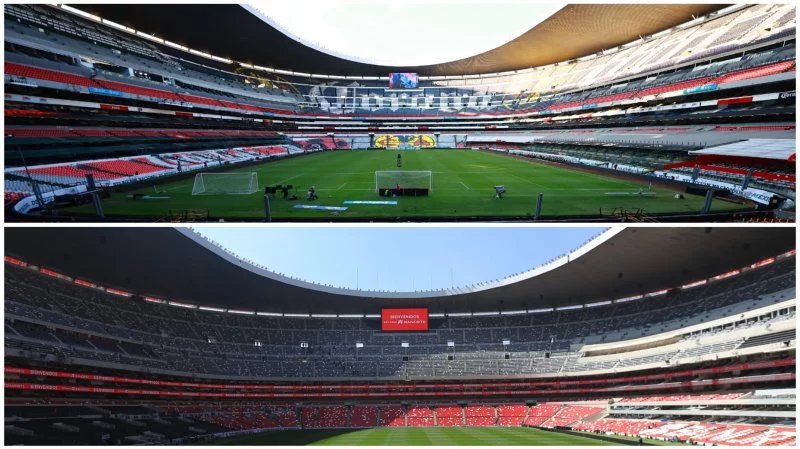
Mexico brings three distinct cities to the tournament, anchored by the historic Mexico City Stadium, widely known as Estadio Azteca. The other two Mexican host venues are Estadio Monterrey (Estadio BBVA in Guadalupe) and Estadio Guadalajara (Estadio Akron in Zapopan).
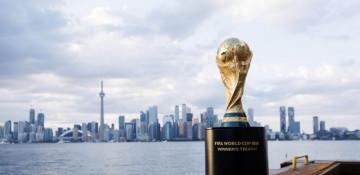
Canada will host its matches across two designated cities: Toronto Stadium (BMO Field) on the east side, which is undergoing seating expansions to meet FIFA minimum requirements, and BC Place in Vancouver on the west coast.
The Opening Match (June 11, 2026): Held at Estadio Azteca (Mexico City Stadium). This marks a historic moment, as the Azteca is the first stadium to host matches across three different FIFA World Cups (1970, 1986, and 2026).
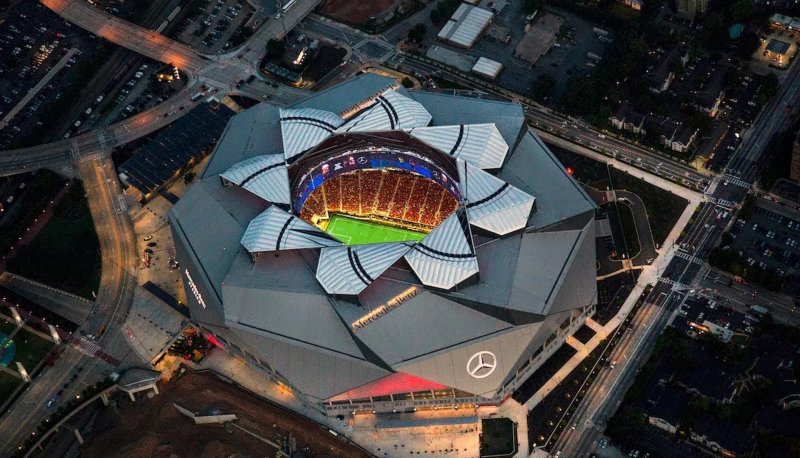
The Semi-finals (July 14–15, 2026): These critical matches will take place back-to-back at Dallas Stadium (AT&T Stadium) in Arlington, Texas, and Atlanta Stadium (Mercedes-Benz Stadium) in Georgia.
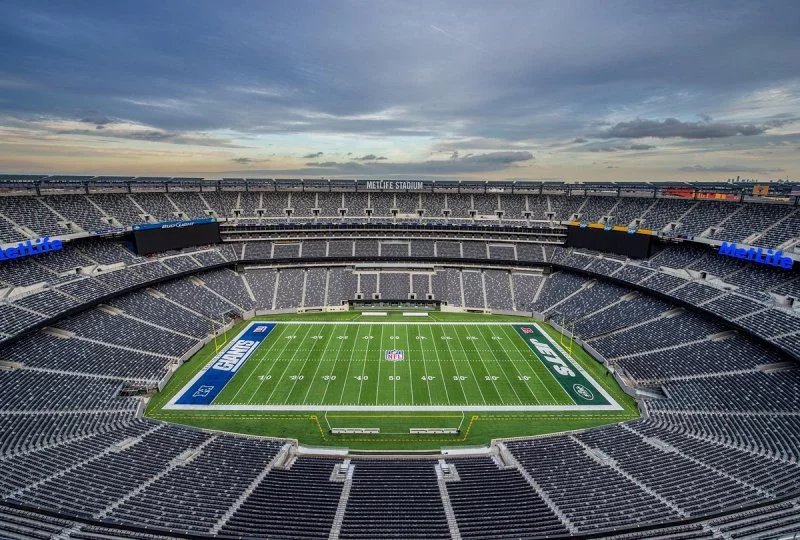
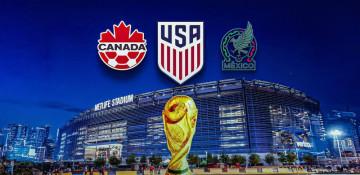
The World Cup Final (July 19, 2026): The championship match will be hosted at New York New Jersey Stadium (MetLife Stadium) in East Rutherford, New Jersey, featuring a capacity crowd of over 82,500 fans.
Travel & Regional Clusters Explained
How are the host cities organized to reduce travel times?
Spanning three massive countries across multiple time zones would typically present a logistical nightmare for player exhaustion and fan transit. To mitigate this, FIFA organized the 16 cities into three strict geographic clusters: West, Central, and East. Teams will play their entire group-stage matches strictly within one zone to protect recovery times and limit cross-continental flights.
The Western Region encompasses Vancouver, Seattle, San Francisco, Los Angeles, and Guadalajara. The Central Region coordinates logistical routes between Kansas City, Dallas, Houston, Atlanta, Monterrey, and Mexico City. The Eastern Region links the coastal corridors of Toronto, Boston, New York/New Jersey, Philadelphia, and Miami.
Playing Surfaces & Technical Changes
Will all matches be played on real grass?
Yes. FIFA regulations strictly mandate that all World Cup games must be played on natural grass. This requires stadiums that usually use artificial turf—such as Atlanta, Dallas, Seattle, New England, Houston, Vancouver, and Los Angeles—to install temporary, highly specialized natural turf systems over their existing fields.
Are stadiums being modified physically?
Several American football stadiums were built with narrow fields optimized for the NFL. To meet the wider, official FIFA soccer field dimensions, stadiums like SoFi Stadium (Los Angeles) and AT&T Stadium (Dallas) have undergone structural modifications, including temporarily removing corner seating sections to expand the field-level playing area.
Fan Advisory on Stadium Transit: Unlike compact tournaments of the past, many of these North American stadiums are located outside traditional city centers (for example, Dallas Stadium is in Arlington and Boston Stadium is in Foxborough). Local organizing committees are launching dedicated transit lines and shuttle loops specifically for match days.
By Aysel Mammadzada


Similar news