Moldovan MP warns: Armenia's rapprochement with the West threatens massive economic problems - EXCLUSIVE


By Tural Heybatov
On April 5th, a significant tripartite meeting involving Armenia, the European Union, and the United States took place in Brussels. The meeting resulted in the signing of numerous agreements across various sectors aimed at integrating Yerevan into the Euro-Atlantic space. Unofficial sources have reported the unprecedented signing of a military pact, marking a significant shift in security affairs for Commonwealth of Independent States (CIS) countries.
The United States and the European Union have expressed plans to actively support Armenia, including assistance in developing a new military doctrine, strengthening borders and defense capabilities, and conducting joint exercises and training sessions. A special focus will be on cooperation within NATO and modernizing military equipment. The EU also discussed reducing Armenia's dependence on Russia in military matters and ensuring the long-term presence of an EU mission in the country. Significant funds are expected to be allocated for developing infrastructure and cybersecurity, including the creation of a modular field camp. Through these measures, the USA and the EU intend to reshape the Armenian Armed Forces to influence regional players, primarily Azerbaijan.
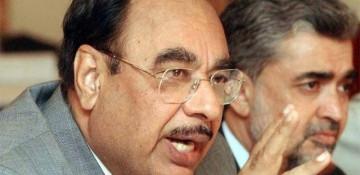
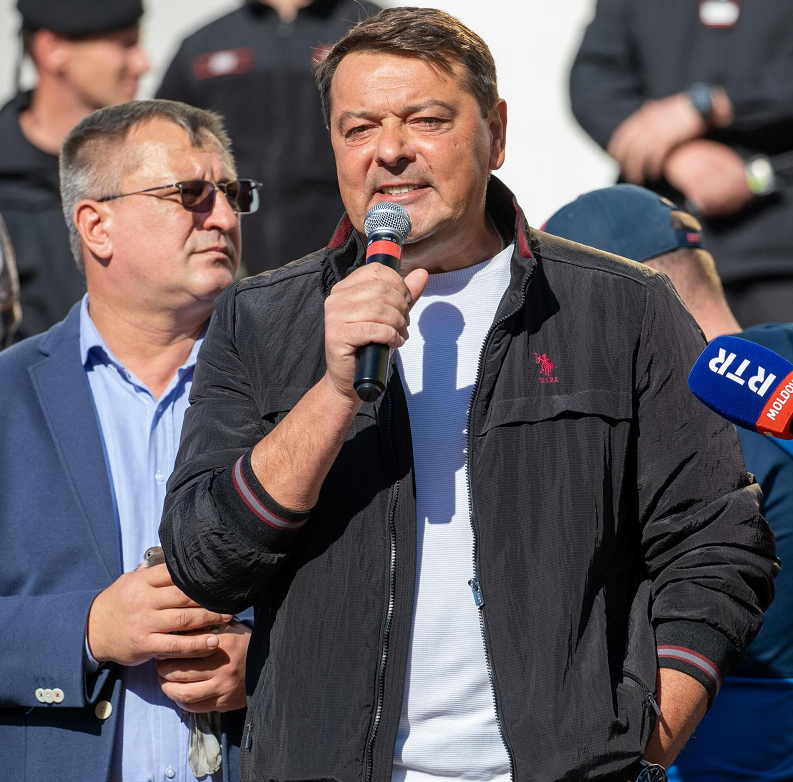
In an exclusive interview with News.Az, Constantin Starish, a member of the Moldovan Communist Party and a Member of the Moldovan Parliament, discussed the geopolitical strategies being implemented in Armenia and Moldova. He suggested that external influences are molding the political landscapes of these nations in ways that may not be consistent with their genuine interests.
Starish pointed out that Armenia, under Prime Minister Nikol Pashinyan, is attempting to exit the Collective Security Treaty Organization (CSTO) and realign more closely with NATO. "This strategy mirrors the situation in Moldova and does not necessarily reflect the real interests of the Armenian people," Starish stated.
He noted that similar influences are visible in Moldova, where Maia Sandu and her political party PAS are significant parts of a broader strategy by certain strategic centers aiming to cultivate future political leaders.
"The primary objective behind these strategies is to establish a buffer zone around Russia, sever traditional ties between post-Soviet states and Russia, and undermine the CIS and other related structures," Starish explained.
He highlighted that in Moldova, parliamentary sessions frequently focus on denouncing decades-old CIS agreements, and there is a noticeable pivot towards NATO.
Despite these changes, Starish remarked that a majority of Moldovans continue to advocate for maintaining neutrality as a security guarantee, even as NATO integration proceeds.
Discussing economic impacts, Starish noted, "After losing traditional markets, both Moldova and Armenia have faced significant economic and social challenges. The European Union has not managed to fully compensate for the loss of the former USSR market. In Moldova, for instance, over 80% of our exports are directed to the EU, yet our export volumes have dropped by 16.5% in just the past year."
He also touched on the role of Western influence in shaping regional politics. "The West has played a significant role through figures like Maia Sandu and Nikol Pashinyan, who were groomed and supported by Western countries to ascend to their current positions. Without such support, it is unlikely Sandu would have reached the presidency," he said.
On the long-term consequences, Starish warned of the difficult road to recovery facing both nations due to critical debt levels. "Both Moldova and Armenia are being driven into a cycle of credit dependency, which has rendered them functionally insolvent without continuous financial aid."
Regarding the issue of militarization, Starish said that Armenia must understand that it will be forced to purchase weapons and modernize its army, which will require significant funds from the state budget. "As Armenia strengthens its ties with NATO, there is a push for defense spending to meet NATO standards, inevitably sacrificing funds from pensions, healthcare, and education. Continuing on this path will lead to severe economic challenges, especially given the disruption of ties with CIS countries, notably Russia," he added.
Starish concluded, "Ultimately, these situations may stabilize, but the cost of recovery will be immense. The West, in its efforts to make these processes irreversible, often overlooks violations of law and human rights, distorting the very concept of democracy. History shows that periods of Western-supported impunity lead to widespread disorder. I fear Armenia will experience similar upheavals; unchecked power inevitably breeds chaos. Unfortunately, by the time people realize what’s happening, it might be too late. Moldova has already been through this experiment, demonstrating the West's strategic aim to displace Russia from the region and establish direct control."


Similar news