How Tesla’s sales surge in South Korea reveals what EV buyers still want


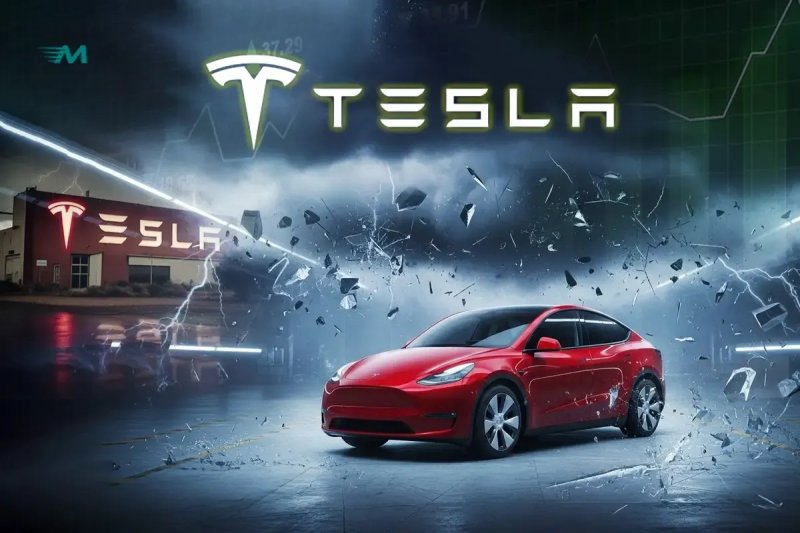
A sharp rise in vehicle deliveries by Tesla in South Korea is offering a clear signal to the global electric vehicle industry: despite growing competition and technological advances, consumers remain highly sensitive to price, brand trust, and charging convenience.
The recent spike in Tesla’s sales underscores how core fundamentals still drive purchasing decisions, even in one of the world’s most competitive EV markets.
RECOMMENDED STORIES
What is behind Tesla’s sales jump
Tesla’s sales in South Korea have surged following aggressive price adjustments and improved availability of key models, particularly the Model Y.
The company’s strategy of cutting prices has made its vehicles more accessible to a broader segment of buyers, positioning Tesla competitively against both domestic and international rivals.
At the same time, faster delivery timelines and increased inventory have reduced waiting periods, which had previously discouraged potential customers.
Why pricing still dominates EV demand
The Korean market has become a testing ground for price sensitivity in the EV sector. Despite strong interest in electric vehicles, many consumers remain cautious about upfront costs.
Tesla’s pricing strategy demonstrates that:
Lower prices can unlock pent up demand
Consumers are willing to switch brands for better value
Even premium brands must compete on affordability
This suggests that, while innovation matters, cost remains the most decisive factor for many buyers.
How brand power continues to influence buyers
Tesla’s global reputation plays a significant role in its performance. The brand is still widely associated with cutting edge technology, software leadership, and strong resale value.
In a market crowded with new entrants, brand recognition reduces perceived risk for consumers. Buyers are more likely to choose a company with a proven track record, especially when making a high value purchase like a vehicle.
This advantage has allowed Tesla to maintain strong demand even as competitors introduce new models.
Why charging infrastructure is critical
Another key factor behind Tesla’s success is its charging ecosystem. Access to reliable and fast charging remains one of the biggest concerns for EV buyers.
Tesla’s Supercharger network provides:
Convenience and reliability
Faster charging times compared to many alternatives
Seamless integration with the vehicle’s navigation system
In markets like South Korea, where urban density is high, the availability of dependable charging options can significantly influence purchasing decisions.
What this means for local competitors
South Korean automakers, including Hyundai Motor Company and Kia Corporation, have invested heavily in electric vehicles and remain strong competitors.
However, Tesla’s recent sales performance suggests that:
Competitive pricing is essential to maintain market share
Brand perception still plays a major role
Charging infrastructure must match or exceed Tesla’s offering
Local manufacturers may need to adjust their strategies, particularly in pricing and customer experience, to respond effectively.
How consumer priorities are evolving
The surge in Tesla sales indicates that EV buyers are prioritizing a combination of factors rather than a single feature.
Key priorities include:
Affordability and total cost of ownership
Brand reliability and technological reputation
Ease of charging and infrastructure access
Availability and delivery speed
While features such as design and performance remain important, they are secondary to these core considerations.
Why this matters for the global EV market
South Korea is a highly developed and competitive automotive market, making it a useful indicator of broader trends.
Tesla’s success there suggests that global EV adoption will continue to depend on practical factors rather than purely technological innovation.
Manufacturers that can balance cost, brand strength, and infrastructure are likely to gain an advantage as the market matures.
What happens next
The next phase of competition in the EV sector will likely focus on:
Further price optimization
Expansion of charging networks
Improvement of software and user experience
Strengthening brand loyalty
As more players enter the market, differentiation will become increasingly challenging, making execution on these fundamentals even more critical.
Bottom line
Tesla’s surge in South Korea highlights a simple but powerful reality: EV buyers still prioritize price, trust, and convenience. Despite rapid innovation across the industry, these core factors continue to shape consumer behavior and determine market success.
By Faig Mahmudov


Similar news