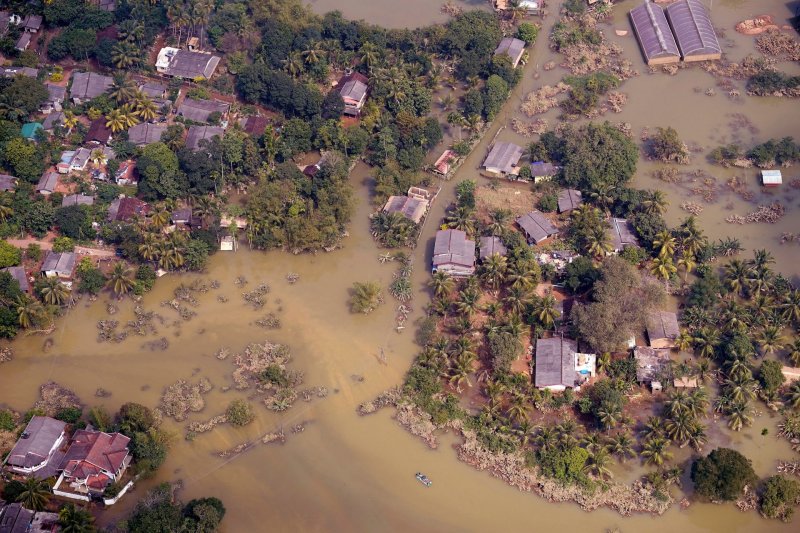
A rapid needs assessment led by national authorities and humanitarian partners confirmed widespread damage across all nine provinces, severe disruption to essential services, and increased risks for women, children, and persons with disabilities.
Hunger and food insecurity continue to rise, with reports indicating that nearly one in three households is food insecure, forcing many families to reduce meals as a coping strategy.
643 deaths and 183 missing were reported by mid-December.
107,000 homes were damaged or destroyed, making shelter a critical need.
UNICEF warns of major gaps in child protection, education, nutrition, and WASH services.
Over 1,300 schools and six universities were damaged, while around 500 schools are being used as temporary shelters.
UNICEF and partners have reached 76,000 people with WASH services, 9,000 with nutrition support, and 5,600 with child protection services.
A rapid post-disaster assessment by the World Bank estimated damage at 4.1 billion US dollars or 4 per cent of the country’s GDP.
Agriculture losses exceed 800 million US dollars, with 58,000 hectares of paddy land flooded, threatening food security.
Nearly one in three households is now food insecure, with families reducing meals to cope.
Cyclone Ditwah is being described as one of Sri Lanka’s worst disasters in decades, with recovery expected to take years.