Pakistan–Afghanistan clashes: Doha agreement breached, ceasefire uncertain


.png)
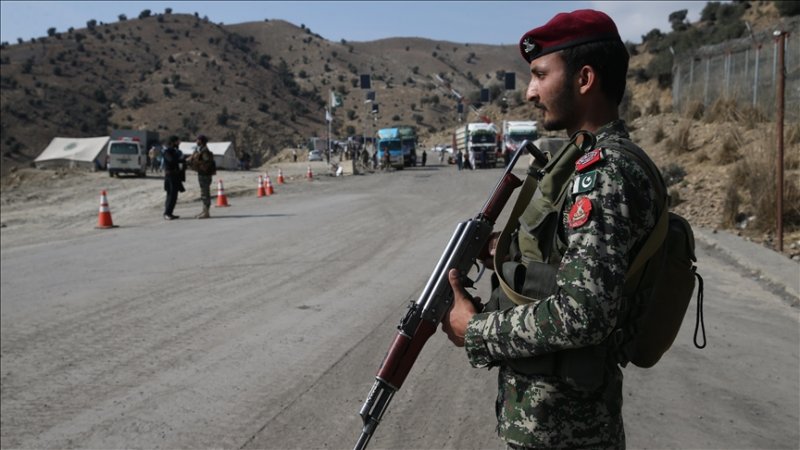
In recent days, escalating clashes along the Pakistan–Afghanistan border have marked one of the most serious confrontations between the two sides in years. Intense overnight fighting left 23 Pakistani soldiers dead and more than 200 Taliban and allied fighters killed, with Pakistan claiming control of several Afghan border posts.
The violence comes after months of rising tensions over the presence of Tehreek-e-Taliban Pakistan (TTP) militants in Afghanistan, a Pashtun group active along the Afghan–Pakistani border. Despite repeated diplomatic efforts, Islamabad accuses Kabul of harboring terrorists and violating the Doha Agreement. Regional powers, including Qatar and Saudi Arabia, are now attempting to mediate a fragile ceasefire amid deep mistrust and strategic uncertainty.
Speaking to the News.Az analytical portal, Pakistani journalist and political commentator Hamza Azhar Salam called the recent escalation a major turning point in Pakistan–Afghanistan relations, highlighting both the severity of the security threat and the wider strategic implications for the region.
The Pakistani military confirmed through Inter-Services Public Relations that 23 Pakistani soldiers were killed during overnight hostilities against the Afghan Taliban and their allied terrorist groups, including Tehreek-e-Taliban Pakistan (TTP) and the Islamic State-Khorasan, according to Salam. He added that the Taliban and allied fighters are estimated to have suffered more than 200 casualties, with hundreds more injured.
“Pakistan’s forces have seized control of 23 Afghan border posts and provided clear visual evidence of these gains to journalists. We have personally verified images showing the Pakistani flag raised on more than 20 captured posts, which can be independently confirmed,” Salam said.
The analyst described the current confrontation as the culmination of long-standing grievances between the two countries. “Pakistan has repeatedly sought to resolve this issue through diplomatic channels. Peace delegations were sent to Kabul, urging the Taliban leadership to stop supporting the TTP, which has carried out a wave of brutal attacks inside Pakistan,” Salam noted.
He added that 2025 has been one of the bloodiest years in recent memory, marked by suicide bombings, targeted killings, and guerrilla-style assaults on civilians and security personnel.
Salam emphasized that the Afghan Taliban’s continued harboring of TTP militants directly violates the Doha Agreement, which explicitly states that Afghan soil should not be used to threaten neighboring countries. International observers have reported that TTP leader Noor Wali Masood is currently based in Afghanistan and is directing operations from there.
The expert said the recent clashes were preceded by a series of covert Pakistani airstrikes targeting high-profile militant figures in Kabul two days earlier. While unacknowledged officially, the Taliban reportedly sealed off the strike zones and restricted media access. Additional strikes were also carried out in Paktika, Khost, and other border areas.
“The following day, the Afghan Taliban launched cross-border attacks on Pakistani positions, killing at least one soldier. Pakistan’s retaliation was immediate and sustained throughout the night and into the following day,” Salam explained.
Regarding ceasefire efforts, Salam expressed skepticism, noting that Qatar and Saudi Arabia are mediating between Islamabad and Kabul. While the Taliban have confirmed the ceasefire through spokesperson Zabiullah Mujahid, “Pakistan remains cautious. Based on past experience, there is little confidence that the Taliban will honor their commitments. Significant ambiguity remains about whether this truce will hold,” he said, adding that Pakistan’s patience has limits.
“Pakistan has made every effort to avoid escalation. Neither the state nor the people of Pakistan seek a war with Afghanistan. But if cross-border terrorism persists, Pakistan will be compelled to take decisive military measures. The country has both the resolve and capability to dismantle these networks, not only to safeguard its strategic interests but to contribute to broader regional security,” Salam stated.
Salam described Afghanistan as a “hotbed of terrorism,” hosting powerful Islamic State-Khorasan cells, the TTP, and emerging umbrella groups that provide the Taliban with plausible deniability. “This structure of terrorism must be dismantled. The Pakistani public stands firmly behind the armed forces in any action that defends national security. At the same time, diplomacy should not be abandoned. Pakistan must establish a new strategic baseline — a clear message that terrorism emanating from Afghan soil will no longer be tolerated,” he added.
Finally, Salam highlighted Afghanistan’s Foreign Minister Amir Khan Muttaqi’s ongoing visit to India, warning it raises further concerns in Islamabad. “Pakistan has long accused India of supporting anti-Pakistan militancy from Afghan territory. Muttaqi’s continued stay in New Delhi during this crisis, and his reported intelligence briefings there, are viewed with deep suspicion. Pakistan must now consider how to respond to the deepening Kabul–New Delhi alignment,” Salam said.


Similar news