Pakistan’s quiet diplomacy and a fragile Iran–US ceasefire


Editor’s note: Sahibzada M. Saeed is an international relations analyst, author, and columnist based in Islamabad, Pakistan. The views expressed in this article are the author’s own and do not necessarily reflect those of News.Az.
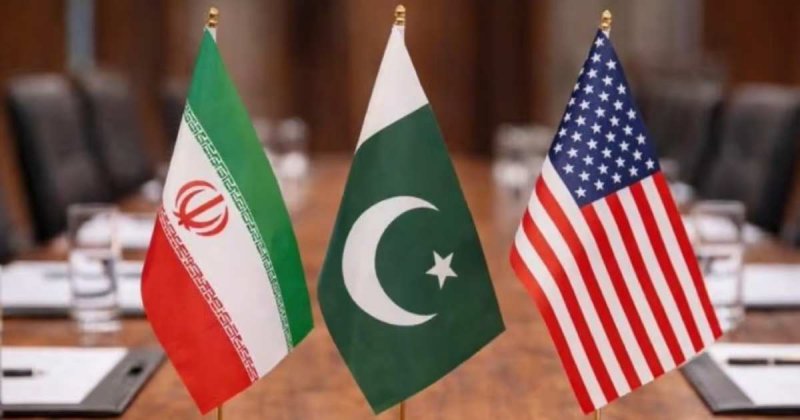
In a region long defined by volatility and strategic mistrust, the reported ceasefire agreement between United States and Iran marks a significant, albeit fragile, diplomatic development. Facilitated through the discreet yet persistent efforts of Pakistan and other friendly states, this breakthrough underscores the continuing relevance of third-party mediation in contemporary conflict environments.
From the perspective of conflict resolution, Pakistan’s role reflects a classic case of mediation emerging at a moment of “mutually hurting stalemate” a condition where adversaries recognize that the costs of continued confrontation outweigh potential gains. By maintaining functional diplomatic relations with both Washington and Tehran, Islamabad was uniquely positioned to act as a credible intermediary. Rather than introducing entirely new frameworks, Pakistan appears to have focused on reinforcing already agreed points, thereby lowering negotiation barriers and enabling incremental consensus.
This development can be interpreted through the lens of “negative peace,” a concept advanced by Johan Galtung. The ceasefire represents the cessation or at least suspension of direct hostilities, but it does not necessarily address the deeper structural and political drivers of conflict. As such, while the agreement reduces immediate risks, it remains inherently fragile. The long-term challenge lies in transitioning toward “positive peace,” which requires trust-building, institutional cooperation, and the resolution of underlying grievances.
Source: Reuters
A central issue that now arises is the question of enforcement. Peace agreements often falter not at the stage of negotiation, but during implementation, particularly when credible guarantors are absent. While both Tehran and Washington have expressed cautious optimism, broader regional dynamics complicate the picture. Concerns persist regarding Tel Aviv, especially in light of its previous actions in Gaza and ongoing strikes in Lebanon, which have been widely viewed as violations of ceasefire norms.
These developments highlight the enduring relevance of the “security dilemma,” a core concept in conflict studies whereby actions taken by one state to enhance its security are perceived as threatening by others, thereby triggering cycles of mistrust and escalation. In this context, the role of the United States becomes particularly critical not only as a direct party to the ceasefire but also as an influential actor capable of ensuring compliance among its regional partners.
The significance of this ceasefire extends beyond immediate political considerations. The region was on the brink of a potentially protracted conflict, one that could have endured for years if not decades undermining both regional stability and global economic systems. A key dimension of this risk lies in the vulnerability of Sea Lines of Communication (SLOCs), particularly through the Strait of Hormuz. As a vital artery for global energy transportation, any disruption in this corridor has immediate and far-reaching consequences.
Recent tensions underscored this reality, as uncertainty surrounding the Strait led to a surge in global oil prices, reflecting market anxieties. Encouragingly, with the easing of tensions following the ceasefire agreement, energy markets have begun to stabilize, and prices are gradually declining. This highlights the direct linkage between regional security dynamics and global economic stability.
For Pakistan, this development represents both a diplomatic achievement and a strategic responsibility. Its ability to maintain balanced relations with competing powers has enabled it to act as a constructive intermediary. However, mediation is not a one-time success; it is an ongoing process. In theoretical terms, this aligns with the concept of “conflict transformation,” which emphasizes sustained engagement, relationship-building, and the gradual reshaping of adversarial dynamics.
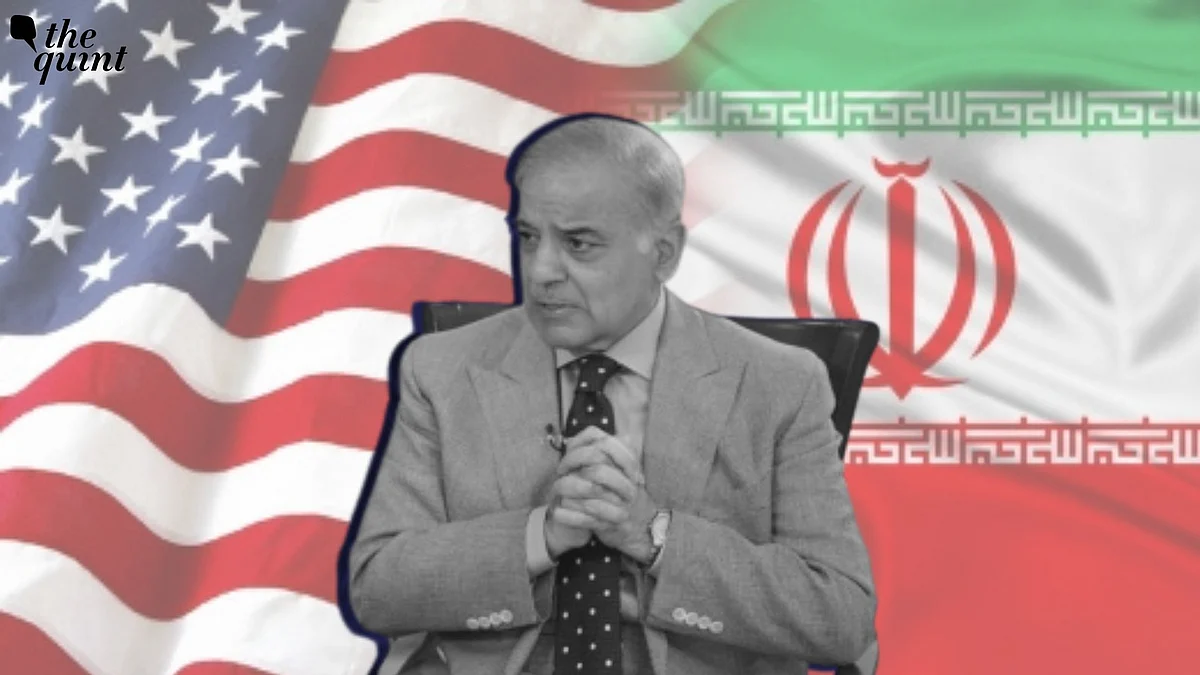
Source: The Quint
The path ahead, however, remains uncertain. The durability of this ceasefire will depend on multiple factors, including the commitment of all stakeholders to uphold agreed terms, the presence of effective monitoring mechanisms, and the willingness of external actors to act as impartial guarantors. Any unilateral deviation particularly in an already volatile regional environment could quickly unravel the fragile gains achieved thus far.
At a time when the region has long suffered from instability and deprivation, even a temporary pause in hostilities carries significant value. The challenge now is to convert this moment of restraint into a foundation for lasting peace. For Pakistan, this moment offers both recognition and obligation: to remain diplomatically engaged, strategically balanced, and committed to the difficult but necessary pursuit of regional stability.
In an increasingly interconnected world, the success or failure of such peace efforts extends far beyond regional boundaries. The hope, therefore, is that this fragile breakthrough evolves into a durable framework, one that not only prevents conflict but also fosters cooperation in a region that has long needed both.
(If you possess specialized knowledge and wish to contribute, please reach out to us at opinions@news.az).


Similar news