Poland opposes Ukraine’s EU membership: Warsaw sets conditions


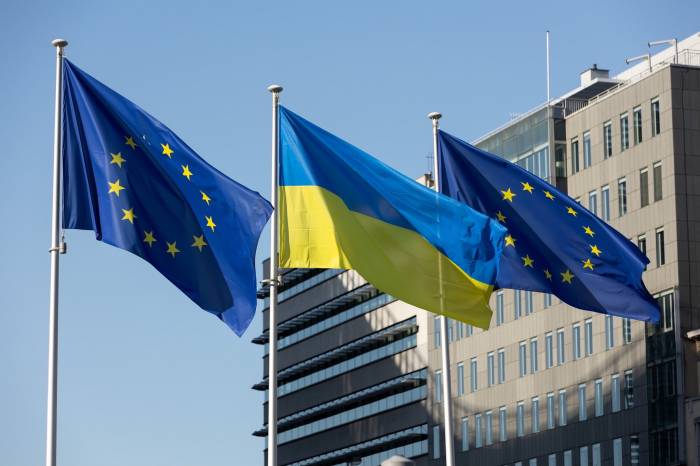
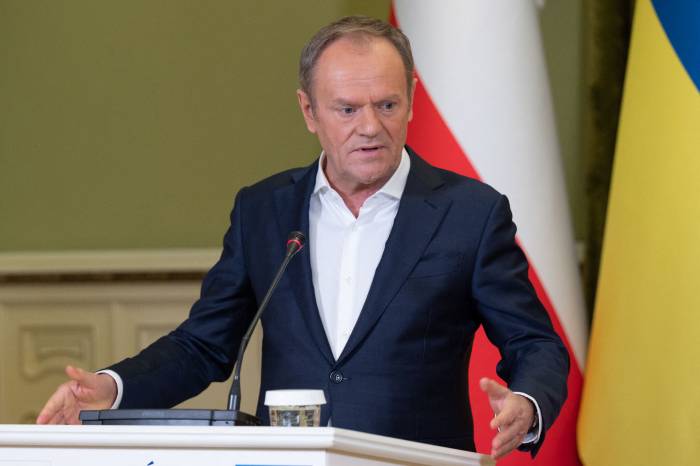
Polish Prime Minister Donald Tusk made several pointed remarks about Ukraine, responding to recent statements by Ukrainian Foreign Minister Dmytro Kuleba . Tusk stated that Ukraine would not be able to join the European Union without Poland’s consent, as it does not meet the necessary standards, including cultural and political ones.
Tusk emphasized that for a country to join the European Union, it must meet certain criteria that extend beyond economic and legal aspects. "Ukraine must meet various standards—it is not only about borders, trade, legal, and economic standards. It is also a matter, I would say, of cultural and political standards," he noted. In this context, Tusk highlighted the importance of historical memory and reconciliation between nations as key components that have shaped modern Europe. He cited the reconciliation between Germany and France , as well as between Germany and Poland, as foundational for the establishment of the European Union as we know it today.In his statement, Tusk not only articulated Poland’s position on Ukraine’s potential EU membership but also underscored the importance of confronting historical truths. He argued that resolving historical conflicts between Poland and Ukraine, such as the Volyn tragedy, must become a priority for both nations. Tusk believes that without addressing these issues, Ukraine's path to the EU will remain blocked. He added, "Ukrainians must understand that joining the Union means adhering to a set of standards that concern political and historical culture."
Tusk also announced that during Poland’s presidency of the EU Council in the first half of 2025, Poland would clearly communicate to Ukraine that settling Polish-Ukrainian relations is in Kyiv's best interest. He stated, "This history must be laid to rest if we want to build a positive future." Thus, Poland aims to leverage its EU presidency to advance dialogue with Ukraine on these critical matters.
The Polish Prime Minister further stressed the importance of truth in historical matters, emphasizing that acknowledging historical facts and working together to understand and accept them is crucial for building strong relations between Poland and Ukraine. He noted, "It is important that history is not used as a tool to inflame conflicts but serves as a basis for dialogue and mutual understanding." Tusk also stressed that Poland does not want disputes over historical events to be exploited as a pretext for bolstering "pro-Russian tendencies" within the country, even though these remain marginal.
The Ukrainian Ministry of Foreign Affairs provided clarifications regarding Kuleba’s statements made during a meeting with young people in Poland. The ministry explained that the minister was referring to the tragedy of thousands of Ukrainians who were forcibly relocated as part of Operation Vistula —a policy of the communist regime—not to any territorial claims against Poland. The Ministry also stressed that Kuleba’s remarks were taken out of context and that Ukraine is committed to dialogue with Poland to achieve mutual understanding and resolve contentious issues.
Despite these clarifications, Tusk expressed his "unequivocally negative assessment" of Kuleba’s remarks, stating that Ukraine must "meet Polish expectations in terms of not just burying the past but building our relations on a foundation of truth about this history." He underscored that it is crucial not only to acknowledge the complex and nuanced history but also to undertake exhumations and provide an accurate assessment of events during and after World War II.
Polish-Ukrainian relations remain a significant topic of discussion, particularly concerning Ukraine’s potential EU membership. Both countries must engage in substantial efforts to resolve historical disputes and foster dialogue to progress toward European integration. Tusk calls for open dialogue and mutual respect as essential elements for building a shared future within the European Union.


Similar news