Russia–Ukraine war: Key developments over the past 24 hours


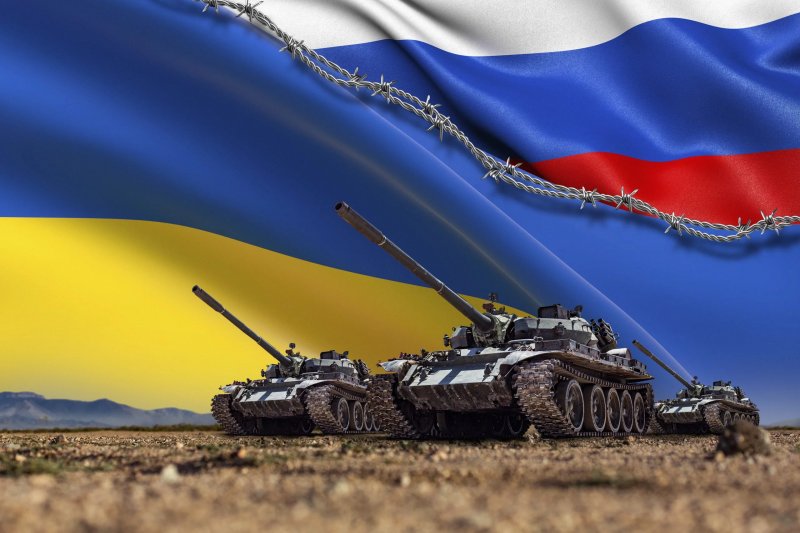
Military operations and diplomatic activity moved in parallel over the past 24 hours, underscoring how the war continues to evolve on multiple fronts at once.
Russia intensified its use of drones and missiles against Ukrainian cities, while Ukraine maintained pressure with strikes across the border into Russian territory and highlighted its growing long range capabilities, News.Az reports.
RECOMMENDED STORIES
At the same time, diplomatic contacts expanded, focusing less on an immediate settlement and more on managing risks and preventing uncontrolled escalation.
Below is a detailed overview of what has changed over the last day, why these developments matter, and what could follow next.
Why the past 24 hours mattered
Events over the last day reinforced several defining features of the current phase of the war. Russia remains heavily reliant on mass drone attacks, often combined with missiles, to strain Ukrainian air defences and keep constant pressure on urban areas. Ukraine, meanwhile, continues to demonstrate its ability to strike targets inside Russia, particularly in border regions critical to logistics and staging. Alongside this, diplomatic engagement is widening, with emphasis on communication and crisis management rather than breakthrough peace talks.
Together, these trends illustrate a conflict that is militarily intense but politically cautious, with both sides seeking advantage while trying to avoid moves that could trigger wider confrontation.
Renewed Russian air attacks on Kyiv
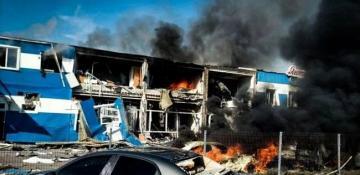
Overnight, Russian forces launched another large scale aerial attack on Kyiv, involving a mix of drones and ballistic missiles. Ukrainian authorities reported injuries and damage in several parts of the city, including residential buildings and commercial facilities, as falling debris sparked fires. Air defence units intercepted the majority of incoming threats, but the attack again highlighted the vulnerability of urban areas even when interception rates are high.
What stood out was not the fact of the attack itself, but its scale and complexity. By combining drones with ballistic missiles, Russia forced Ukrainian defenders to divide attention between different types of threats, each requiring specific interception systems. This approach reflects a broader Russian tactic aimed at exhausting air defence resources and probing for weaknesses.
Why mixed drone and missile attacks are significant
Drone swarms are relatively inexpensive and can be launched in large numbers, making them ideal for saturating defences. Ballistic missiles, by contrast, are harder to intercept and force defenders to rely on more limited and costly systems. When used together, they complicate decision making and increase the likelihood of damage, even if most weapons are neutralised.
For Ukraine, maintaining layered air defence remains a top priority, but the constant pressure raises questions about interceptor availability, response fatigue and the sustainability of defending multiple cities simultaneously.
Continued Ukrainian strikes on Russian border regions
On the Russian side, authorities in the Belgorod region reported serious damage following Ukrainian shelling during the night. Local officials described disrupted infrastructure and emergency response measures, while unofficial reports pointed to power outages and missile impacts in parts of the city.
Belgorod has long been a focal point of cross border strikes due to its proximity to Ukraine and its role as a logistical hub. Attacks there carry both military and psychological weight, as they directly affect Russian territory and civilians, challenging Moscow’s narrative that the war is distant from everyday life.
Why Belgorod remains a key target
The region is strategically important for Russian military operations, serving as a transit and supply zone for forces near the Ukrainian border. By striking in and around Belgorod, Ukraine seeks to disrupt logistics, force Russia to divert air defence assets, and demonstrate that rear areas are not immune.
These strikes also carry a signaling function, showing both domestic and international audiences that Ukraine retains offensive reach despite sustained Russian pressure.
Ukraine highlights strikes on Russian missile infrastructure
Ukrainian military officials stated that infrastructure linked to a Russian missile launch and testing site had been struck in recent operations. While details were limited, the announcement emphasized damage to facilities and the temporary evacuation of personnel.
This messaging was notable because it linked Ukrainian strikes not just to fuel depots or border logistics, but to elements directly associated with Russia’s missile capabilities. Ukrainian officials also pointed to the use of domestically developed long range weapons, underscoring growing confidence in indigenous systems.
Why long range capability signaling matters
By highlighting strikes against missile related infrastructure, Ukraine is sending a strategic message about reach and deterrence. Such claims suggest that Russia’s ability to operate strike assets from deep within its territory may face increasing risk.
Even when independent verification is limited, the narrative itself plays an important role. It reassures the Ukrainian public, signals resolve to partners, and warns Russia that distance alone may no longer guarantee safety for critical facilities.
Diplomatic engagement widens despite fighting
Alongside the fighting, diplomatic activity gained attention after reports that the United States and Russia agreed to reestablish high level military dialogue. The move follows broader talks involving Ukrainian officials and is framed as a step toward reducing the risk of direct confrontation and managing escalation.
This development does not signal imminent peace negotiations. Instead, it reflects a pragmatic recognition that communication channels are needed as military activity grows more complex and potentially dangerous.
Why military dialogue is returning now
The density of drone operations, missile launches and air defence activity has increased sharply, raising the risk of miscalculation. As external support, intelligence sharing and advanced systems play a larger role, the danger of unintended incidents also rises.
Reestablishing military dialogue is primarily about crisis management. It allows for clarification of intentions, reduces the risk of misreading actions, and provides mechanisms to address incidents before they spiral.
Prisoner exchanges continue as a parallel track
As part of broader contacts, a significant prisoner exchange took place, returning large numbers of detained individuals on both sides, including civilians. Many of those released were reported to be in poor health, highlighting the humanitarian dimension that continues alongside the fighting.
Prisoner exchanges have become one of the few consistent forms of cooperation between Russia and Ukraine. They are often negotiated through intermediaries and tend to proceed even when political dialogue stalls.
Why prisoner swaps matter beyond symbolism
While humanitarian in nature, exchanges also carry political weight. They can ease domestic pressure, demonstrate a degree of goodwill, and sometimes serve as confidence building measures. However, they do not necessarily indicate broader progress toward ending the war.
Still, their continuation shows that limited, transactional cooperation remains possible even amid intense hostilities.
Battlefield connectivity and the struggle over networks
Another notable theme emerging in recent hours is the growing importance of connectivity on the battlefield. Claims circulated that satellite communication outages had affected operations in parts of the conflict zone, potentially disrupting drone coordination and unit communications.
Whether isolated or widespread, such disruptions underline how central digital networks have become to modern warfare. Control of the electromagnetic and information domains increasingly shapes tactical effectiveness.
Why connectivity is now a weapon
Drones rely on stable links for navigation, targeting and coordination. Disrupting those links can sharply reduce their effectiveness, slow operations and create confusion. Electronic warfare, cyber measures and interference with satellite services have therefore become integral to battlefield strategy.
As both sides adapt, the contest over networks is likely to intensify, with direct consequences for how operations are planned and executed.
A war moving on two tracks
Taken together, developments over the last 24 hours show a conflict advancing simultaneously on military and diplomatic tracks. On the battlefield, pressure is increasing through air attacks, cross border strikes and long range operations. On the political level, communication channels are being reinforced to manage risks rather than to secure immediate peace.
This dual approach reflects a shared calculation that time and incremental gains may improve bargaining positions, even as neither side appears ready to compromise fundamentally.
Impact on civilians
For Ukrainian civilians, continued drone and missile attacks mean ongoing disruption, danger and psychological strain, especially in major cities. Air raid warnings and emergency responses remain a daily reality. For civilians in Russian border regions, cross border strikes bring the war closer to home, reinforcing a sense of insecurity and fueling domestic narratives about threat and retaliation.
In both countries, the expanding role of drones has made sudden disruption and uncertainty a constant feature of daily life.
What to watch next
In the coming days, attention will focus on whether Russia sustains high volume drone attacks and how Ukraine’s air defences cope with continued pressure. Observers will also watch for signs of further Ukrainian strikes on deep or symbolic targets inside Russia.
On the diplomatic front, the key question is whether renewed military dialogue produces practical measures to reduce risk, such as clearer communication mechanisms or deconfliction arrangements. Finally, developments in electronic warfare and connectivity could quietly but significantly influence the balance on the battlefield.
The past 24 hours have not changed the fundamental trajectory of the war, but they have highlighted how its character continues to evolve, blending intense military action with cautious diplomatic engagement and an expanding technological dimension.
By Faig Mahmudov


Similar news