Ukraine–Russia war: Key developments over the past 24 hours


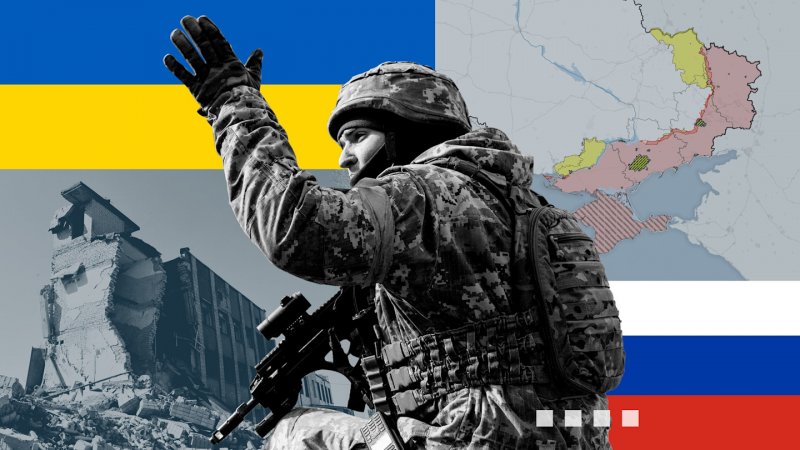
The war in Ukraine has continued to unfold across multiple fronts over the past 24 hours, with fighting reported in eastern and southern regions, renewed air strikes, diplomatic manoeuvring, and ongoing concerns over civilian safety and infrastructure, News.Az reports.
While no decisive battlefield breakthrough has been confirmed, developments during the past day underline the grinding nature of the conflict and the broader geopolitical stakes involved.
RECOMMENDED STORIES
Both Kyiv and Moscow have reported military activity, while international partners have reacted to the latest developments with statements, pledges of support, and warnings about escalation.
Frontline fighting in eastern Ukraine
Heavy fighting has continued along parts of the eastern front, particularly in areas of Donetsk and Luhansk regions, where Russian forces have maintained pressure on Ukrainian defensive positions.
Ukrainian military officials said their forces repelled several assaults over the past day, describing the attacks as part of Russia’s continued attempts to advance incrementally despite high losses. According to Ukraine’s general staff, Russian units relied heavily on artillery and air strikes, followed by infantry assaults aimed at testing Ukrainian defences.
Russian authorities, for their part, said their troops had improved tactical positions in certain areas, though such claims could not be independently verified. As with many daily battlefield updates, statements from both sides reflect sharply different assessments of progress.
Military analysts say the fighting in the east remains characterised by attritional warfare, with limited territorial changes but significant human and material costs.
Air strikes and missile attacks
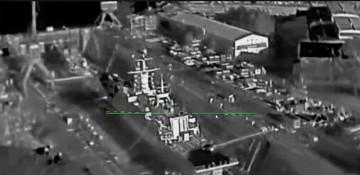
Ukraine reported renewed Russian air strikes and missile launches targeting several regions over the past 24 hours. Air defence systems were activated in multiple areas, including central and southern parts of the country.
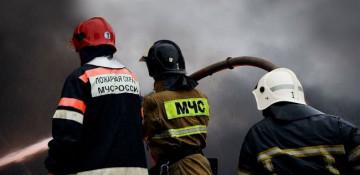
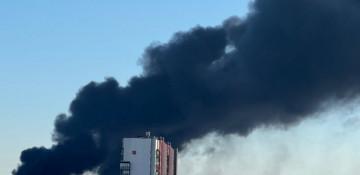
Ukrainian officials said some missiles and drones were intercepted, while others struck infrastructure and civilian areas. Emergency services reported damage to residential buildings, energy facilities and transport infrastructure in several locations.
In southern Ukraine, local authorities said attacks had disrupted power supplies in parts of the region, though repair work was underway. No official nationwide blackout was reported during this period, but officials warned that continued strikes could worsen the situation.
Russia has not commented in detail on specific strikes, but has previously said its attacks target military and energy infrastructure, a claim Ukraine disputes, citing civilian casualties and damage.
Situation in southern Ukraine
In the south, including areas near the Dnipro River, Ukrainian officials said Russian artillery fire and drone attacks continued intermittently. These areas remain strategically important due to their proximity to occupied territories and key transport routes.
Ukrainian forces said they were maintaining defensive positions and monitoring Russian troop movements. There were no confirmed reports of major advances by either side over the past day.
Residents in frontline-adjacent communities reported ongoing shelling and evacuation efforts, with local administrations urging civilians to move to safer areas where possible.
Civilian impact and humanitarian concerns
The humanitarian situation remains a central concern, with civilians continuing to bear the brunt of the fighting. Over the past 24 hours, Ukrainian authorities reported casualties among civilians, though precise numbers were still being verified.
Hospitals in affected regions reported an influx of injured people, while emergency services worked to clear debris and restore basic services. Humanitarian organisations said access to some areas remained limited due to security risks.
In occupied territories, Ukraine has accused Russian authorities of restricting humanitarian access and pressuring residents to accept Russian documentation. Moscow has denied such allegations, saying it provides aid to civilians under its control.
The United Nations and other international bodies have repeatedly called for the protection of civilians and respect for international humanitarian law.
Energy infrastructure under pressure
Ukraine’s energy system once again came under strain following reported strikes on power facilities. Energy officials said engineers were working to stabilise the grid and prevent widespread outages.
The targeting of energy infrastructure has been a recurring feature of the war, particularly during colder months. Ukraine has taken steps to reinforce its defences and decentralise power generation, but vulnerabilities remain.
European officials have expressed concern that continued attacks on Ukraine’s energy system could have knock-on effects beyond the country’s borders, particularly if disruptions affect regional supply routes.
Russian domestic developments
Inside Russia, state media reported continued military operations and highlighted what it described as successful actions by Russian forces. Coverage focused on battlefield claims and support measures for Russian troops.
Russian officials also addressed questions about mobilisation and military production. Authorities said defence industries were operating at high capacity to supply the armed forces, while reiterating that Russia’s military objectives remained unchanged.
There were no major public protests or political developments reported over the past 24 hours, though independent analysts note that dissent within Russia is difficult to assess due to restrictions on media and public expression.
Ukraine’s military posture and messaging
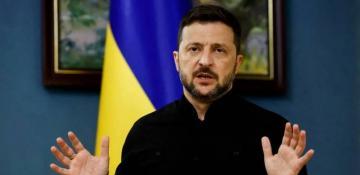
Ukrainian President Volodymyr Zelensky and senior military officials used public addresses to emphasise resilience and continued resistance. Zelensky praised Ukrainian forces for holding positions under difficult conditions and thanked international partners for ongoing support.
In his nightly address, he stressed the importance of air defence and additional military aid, particularly systems capable of countering missiles and drones. Ukrainian officials have consistently argued that stronger air defences would significantly reduce civilian harm.
The Ukrainian military also highlighted training efforts and rotation of units, indicating attempts to manage fatigue and sustain long-term defence.
International reactions and diplomacy
International responses over the past 24 hours focused on reaffirming support for Ukraine and monitoring escalation risks.
Several European leaders reiterated their commitment to providing military, financial and humanitarian assistance. Statements emphasised the need for unity among Ukraine’s allies and warned against any weakening of support.
In Washington, officials said the United States continued to work with allies on security assistance packages, though domestic political debates over funding remain ongoing. US officials stressed that support for Ukraine was tied to broader global security interests.
Meanwhile, Russia’s allies and partners, including some non-Western countries, called for restraint and renewed diplomatic efforts, though no concrete peace initiatives emerged during this period.
Arms supplies and military aid
Over the past day, Ukraine confirmed the arrival or preparation of additional military aid from partner countries, including ammunition and equipment. Details of deliveries are often limited for security reasons.
Officials said the aid was critical to sustaining defensive operations and countering Russian artillery and air power. Western countries have gradually expanded the types of weapons supplied, though debates continue over potential escalation.
Russia has repeatedly warned that foreign arms deliveries prolong the conflict, a claim rejected by Ukraine and its allies, who argue that assistance is necessary for self-defence.
Information warfare and competing narratives
The information war continued alongside the fighting, with both sides promoting their narratives through official statements, social media and state-aligned outlets.
Ukraine accused Russia of spreading disinformation about battlefield developments and civilian targets. Russia, in turn, accused Ukraine and Western media of misrepresenting the situation and ignoring Ukrainian military actions.
Independent verification of claims remains challenging, particularly in active combat zones.
Legal and accountability issues
Questions of accountability and alleged war crimes also featured in discussions over the past 24 hours. Ukrainian prosecutors said investigations into suspected violations of international law were ongoing.
International legal bodies have previously launched inquiries into actions by both sides, though Russia rejects their jurisdiction. Human rights organisations continue to document alleged abuses, stressing the importance of evidence preservation.
Economic impact and sanctions
The war’s economic impact continues to be felt, both within Ukraine and globally. Ukraine’s economy remains under strain due to infrastructure damage and displacement, though international aid has helped stabilise finances.
Russia remains subject to extensive sanctions, which Western governments say are aimed at limiting its ability to sustain the war. Moscow argues the sanctions have failed and harmed global markets.
Over the past 24 hours, there were no major new sanctions announcements, but officials indicated that enforcement efforts were ongoing.
Food security and global implications
Ukraine’s role as a major agricultural exporter means developments in the war continue to affect global food markets. Although exports have resumed via alternative routes, risks remain.
International agencies warned that prolonged instability could worsen food insecurity in vulnerable regions, particularly in parts of Africa and the Middle East.
Public sentiment and morale
Public morale in Ukraine remains a key factor. Despite war fatigue, surveys and public messaging suggest strong support for continued resistance.
In Russia, public opinion is harder to gauge, but state messaging emphasises endurance and national unity.
What has not changed
Despite the intensity of daily developments, some broader realities remain unchanged. The front lines have shifted only marginally over recent weeks, and neither side has achieved a decisive breakthrough.
Diplomatic channels remain limited, with no immediate prospects for comprehensive peace talks. Both Kyiv and Moscow continue to state conditions that the other side considers unacceptable.
What to watch next
Over the coming days, attention is likely to focus on whether fighting intensifies in specific sectors, particularly in eastern Ukraine, and whether air strikes continue to target infrastructure.
Observers will also watch for signals of new diplomatic initiatives, shifts in military aid policies, or changes in domestic political dynamics among Ukraine’s allies.
The war’s trajectory remains uncertain, shaped by military endurance, international support, and political calculations on all sides.
Conclusion
The past 24 hours in the Ukraine–Russia war have underscored the conflict’s persistent intensity and complexity. While no single event has dramatically altered the battlefield, the cumulative impact of ongoing fighting, air strikes, humanitarian challenges and diplomatic manoeuvring continues to shape the course of the war.
For civilians caught in the conflict, the immediate concern remains safety and survival. For governments and international actors, the challenge lies in balancing military support, diplomatic pressure and the search for a path toward de-escalation.
As the war enters another day, its outcomes remain deeply uncertain, with consequences extending far beyond Ukraine’s borders.
By Faig Mahmudov


Similar news