S-400 systems reportedly fully integrated into Turkey's air defense


https://missilethreat.csis.org/wp-content/uploads/2020/10/CUwpm_5U8AAczlD.jpeg
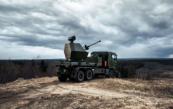
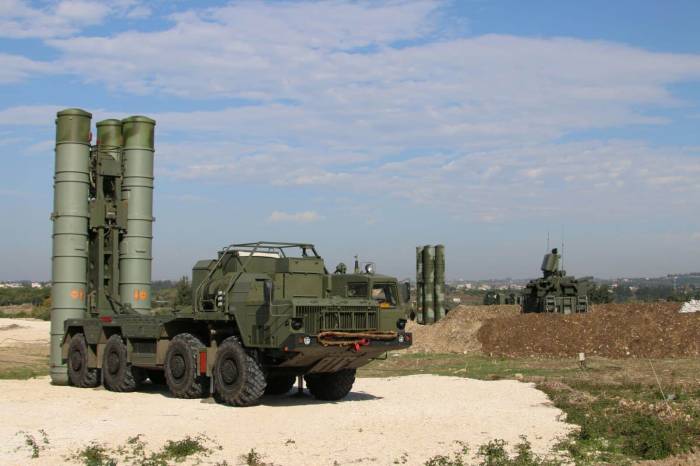
Turkey is reinforcing its defensive capabilities by working to integrate the Russian S-400 missile system into its national command-and-control infrastructure.
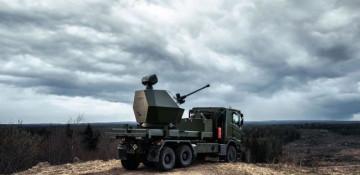
According to Turkish news outlets such as Turkish Minute and TurDef, the S-400 system will be linked with other Turkish air defense technologies, including the domestically developed SIPER system, as part of Turkey’s HAKIM 100 integrated command-and-control system, News.az reports citing foreign media.This system, developed by the Turkish defense company Aselsan, will unify various defense platforms, including NATO systems, providing commanders with a comprehensive view of airspace through real-time data collection from multiple sensors and radars.
The goal is to enhance the coordination and efficiency of all components of Turkey’s air defense network. Additionally, HAKIM 100 will integrate advanced threat assessment and weapon allocation algorithms, with plans to incorporate artificial intelligence and machine learning in future system upgrades.
Despite media reports and speculation, Turkey’s Ministry of Defense has not issued an official statement on the matter.
Turkey’s acquisition of the S-400 system in 2019 caused significant tensions with the United States and other Western allies, as a failed attempt to purchase the American Patriot system led Ankara to turn to Russia.
While the system has not been activated under Turkey’s national defense strategy, it is part of the country’s multi-layered “Steel Dome” defense, designed to protect against aerial threats.
The purchase of the Russian S-400 missile system in 2019 marked one of the most significant developments in Turkey’s defense history in recent decades. This decision, made by President Recep Tayyip Erdoğan’s administration, escalated tensions between Turkey and the United States, as well as with other Western allies.
Choosing Russia as a supplier was not merely a matter of military procurement but part of Turkey’s broader geopolitical strategy to strengthen its defense autonomy and balance its relationships with both Eastern and Western partners.
Following the finalization of the $2.5 billion deal with Russia in November 2017, Turkey began receiving S-400 deliveries in 2019.
Despite the international backlash, including Turkey’s removal from the F-35 development program, the decision to acquire the S-400 was seen as a strategic move essential to enhancing national security.
The integration of the Russian S-400 air defense system into Turkey’s defense framework is no longer merely a technical issue—it symbolizes a new phase in Ankara’s relations with Washington.
After years of tension, it appears that the U.S. has adopted a pragmatic approach to this contentious issue. “The United States no longer objects to Turkey’s use of the S-400,” Defense Minister Yaşar Güler recently stated.
This marks a significant shift from Washington’s previous hardline stance, which included sanctions against Ankara and its removal from the F-35 program. Güler added that the S-400 could be fully operational and combat-ready within 12 hours, underscoring the system’s readiness.
This shift in relations extends beyond diplomatic statements. NATO Secretary General Mark Rutte recently visited TUSAŞ, the Turkish aerospace company known for developing the KAAN fighter jet.
This visit is seen as a sign of closer cooperation between Turkey and the alliance, especially given the growing need for technological innovation in the defense sector.
Meanwhile, former U.S. Colonel Rich Outzen noted that “Turkey’s defense industry can significantly contribute to restoring NATO’s deterrence against Russia.” Economist Timothy Ash also urged Europe to overcome its outdated prejudices toward Turkey.
The S-400 system is becoming a critical element of Turkey’s national security. Its ability to strike targets at a range of up to 400 kilometers makes it an indispensable tool in the geographically complex region Turkey occupies.
The Turkish military plans to deploy the four S-400 batteries in strategic locations, including the southern border with Syria, where aerial threats are most pronounced. Additional deployments will fortify bases in the western part of the country and key urban centers.
With this approach, Ankara is constructing a multi-layered air defense network that significantly enhances its deterrence capabilities against potential adversaries.
The U.S. decision to accept the reality of Turkey’s S-400 acquisition is not only a diplomatic move but also a geopolitical one. As a key NATO member, Turkey has demonstrated its ability to balance national sovereignty with its commitments to the alliance.
Defense Minister Hulusi Akar summed up Turkey’s position: “Turkey will continue investing in advanced technologies and protecting its national security, regardless of external pressures.”
The shift in rhetoric and actions suggests that the S-400 issue is no longer a dividing line in Turkish-American relations but a platform for new dialogue and potentially deeper cooperation.


Similar news