San Francisco: Big brands “poisoned the public for profit”


San Francisco has launched a groundbreaking legal offensive against some of the world’s biggest food and beverage corporations, accusing them of engineering, marketing, and aggressively promoting ultraprocessed foods that have fueled a nationwide health crisis.
The lawsuit, filed in San Francisco Superior Court, targets ten corporations—including Coca-Cola, Kraft Heinz, Nestlé, Kellogg, and Mondelez International—claiming they violated California laws on deceptive advertising and created a widespread public nuisance that has burdened the city with rising healthcare costs.
According to the complaint, these companies “created a public health crisis with the engineering and marketing of ultraprocessed foods,” transforming simple ingredients into products that may fundamentally alter human metabolism. The case, as reported by News.Az citing foreign media, seeks restitution, civil penalties, and potentially far-reaching restrictions on how major corporations market food products to American consumers.
San Francisco’s filing goes further than typical consumer lawsuits by explicitly linking ultraprocessed foods to chronic disease. Citing scientific research—including a major November series published in The Lancet—the city argues that diets rich in ultraprocessed products dramatically increase risks of obesity, diabetes, cardiovascular disease, cancer, and early mortality. These foods often rely on additives rarely found in home cooking and include frozen pizza, chips, sweetened cereals, soft drinks, instant soups, and mass-produced snack items engineered for long shelf life and effortless overconsumption.
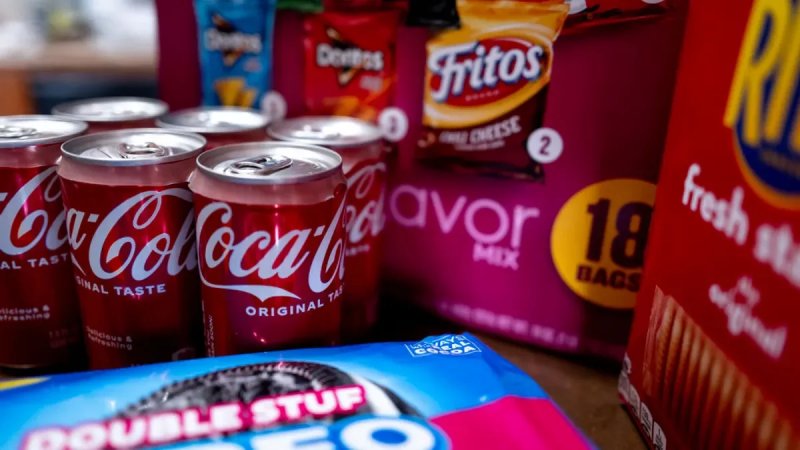
Photo credit: Scott Olson
Statistics used in the lawsuit paint a troubling picture. Roughly 40% of Americans are obese, nearly 16% have diabetes, and around 70% of supermarket food in the U.S. is classified as ultraprocessed. For American children, these products provide about 60% of daily caloric intake—conditions the lawsuit says were shaped by decades of targeted marketing and scientific manipulation by major corporations.
While this is the first lawsuit of its kind filed by a U.S. municipality, it arrives in the context of a growing movement to hold major brands legally accountable for public health harms. Over the last decade, several high-profile cases have put global food and beverage giants under scrutiny. One example is the 2023 lawsuit filed against PepsiCo by New York State, which accused the company of contributing to plastic pollution and contaminating the Buffalo River ecosystem. Although environmental rather than health-focused, the case set a precedent for treating food corporations as responsible for systemic harm.
Another major legal battle involved Coca-Cola and its brand Vitaminwater, which faced a class-action lawsuit accusing the company of misleading consumers by marketing the beverage as healthy despite its high sugar content. The company ultimately agreed to modify its labeling and advertising. McDonald’s, too, was infamously sued in the early 2000s for allegedly contributing to childhood obesity through misleading marketing practices targeting children. Though the lawsuits were dismissed, they forced the industry to begin posting nutritional information and adjusting advertising strategies.
Nestlé has faced repeated litigation in Europe and the United States over claims ranging from misleading health statements on baby formula to deceptive marketing of bottled water. Kellogg was at the center of a 2020 legal settlement after being accused of marketing sugary cereals as nutritious—resulting in changes to packaging and promotional language. Kraft Heinz has been challenged in court over artificial ingredients and alleged mislabeling, including a notable lawsuit over its “100% Grated Parmesan,” which actually contained cellulose fillers.
These examples illustrate a global trend: food corporations are increasingly being challenged for marketing practices that, according to critics, obscure the real health impact of mass-produced products. San Francisco’s lawsuit, however, raises the stakes by explicitly connecting these practices to a public health emergency—and by calling ultraprocessed foods the tobacco of the 21st century.

Photo credit: CBS news
The food industry is pushing back aggressively. The Consumer Brands Association, represented by Sarah Gallo, argues that the lawsuit relies on an undefined and scientifically controversial category. “There is no universally accepted definition of ultraprocessed foods,” she said, insisting that judging products solely based on processing may mislead consumers and deepen social inequalities. Industry representatives also say the lawsuit unfairly targets popular, affordable foods while ignoring broader factors such as lifestyle, income disparities, and lack of nutrition education.
Still, legal observers note that the lack of a strict definition did not stop similar public health litigations in the past. The early tobacco lawsuits, for example, also faced scientific disputes and industry resistance, yet they eventually reshaped global public health policy. Some analysts believe the San Francisco case could become the opening move in a much broader national litigation campaign—one that challenges the economic foundations of the modern food industry.
If successful, San Francisco’s lawsuit could impose sweeping restrictions on advertising, especially the marketing of sweetened and ultraprocessed products to children. It could require companies to disclose new kinds of health warnings, reformulate products, or pay billions in damages. More importantly, it could inspire other cities and states to file similar lawsuits, creating a wave of legal challenges that rivals the multistate actions previously brought against Big Tobacco and opioid manufacturers.
The case also reflects a cultural turning point: Americans are increasingly questioning not only what they eat, but how global corporations have shaped those choices. As the lawsuit argues, the health crisis did not emerge randomly—it evolved through decades of research-driven product engineering, aggressive marketing, and the normalization of mass-produced foods that now dominate household diets across the United States.
Whether San Francisco’s lawsuit succeeds or not, it signals a shift in legal accountability for global brands. Companies like Coca-Cola, Kraft Heinz, Nestlé, Kellogg, and Mondelez now face a new legal reality in which public health outcomes can become grounds for litigation. And as scientific evidence mounts on the risks associated with ultraprocessed foods, more governments may begin to test that boundary.
For now, San Francisco has positioned itself at the forefront of a potentially historic shift—one that challenges the influence of the world’s largest food corporations and raises fundamental questions about the real cost of the global diet that billions consume every day.


Similar news