Sudan’s civil war devastates hospitals and churches


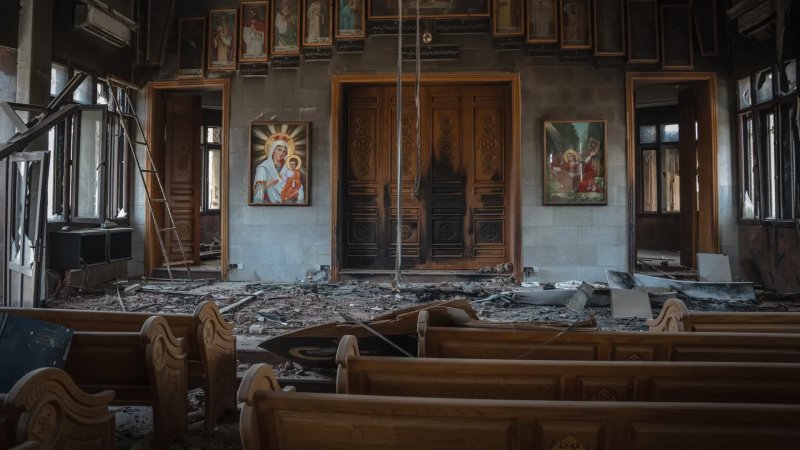
Sudan’s ongoing civil war has devastated the country’s capital, Khartoum, with hospitals, churches and key infrastructure left heavily damaged or destroyed as fighting continues between the Sudanese Armed Forces and the Rapid Support Forces.
Nearly every building in parts of Khartoum shows signs of war damage, including bullet holes, shattered windows, shell impacts and looted interiors. Entire neighbourhoods have been emptied as a result of more than three years of conflict between the rival military factions, News.Az reports, citing Christianity Today.
Hospitals have been among the hardest hit. Medical facilities have been looted, damaged by shelling and forced to relocate operations as staff struggle to continue treating patients, including victims of violence and sexual assault. In some cases, doctors have been forced to move to other facilities or work under extremely limited conditions due to repeated attacks and shortages.
RECOMMENDED STORIES
Churches have also been significantly affected. Reports indicate that many churches have been damaged or destroyed during the fighting, with some buildings reduced to ruins. An 80-year-old church in Khartoum has been left in ashes, while others have been looted, occupied or rendered unusable.
The war began in April 2023 after fighting broke out between the two military factions following a collapse in power-sharing arrangements. Since then, Khartoum has changed control multiple times, with widespread destruction of civilian infrastructure and mass displacement of residents.
The United Nations and humanitarian organizations report large-scale civilian suffering, with millions displaced and much of the country’s healthcare system severely weakened or non-operational. Churches and hospitals, often serving as places of refuge, have themselves become targets or collateral damage in the conflict.
Despite the destruction, some medical workers and Christian communities remain in the city, attempting to provide care and maintain worship under extremely difficult conditions as the conflict continues.
By Leyla Şirinova


Similar news