Tensions rise: can Pashinyan stand against the Karabakh clan?


By Kerim Sultanov
Last week, Armenia witnessed large-scale protests sparked by an agreement between Yerevan and Baku to transfer control of four villages in the Gazakh region to Azerbaijan. The situation quickly escalated as revanchist sentiments surged, particularly in border areas where locals vehemently oppose the demarcation.
Local media report that protesters are blocking roads in Yerevan and other areas, staging public actions and demonstrations. Tensions are notably high in the vicinity of Yeghegnadzor, where demonstrators have used tractors to block the main Armenia-Iran interstate highway.
Furthermore, the Armenian Apostolic Church, currently in sharp conflict with Prime Minister Nikol Pashinyan, has significantly influenced public sentiment by actively participating in the protests. Church leaders, such as Bishop Bagrat Galstyan of the Tavush Diocese, support the protests and even incite acts of disobedience, heightening political tensions.
The stance of former leaders of the Karabakh clan, like Serzh Sargsyan and Robert Kocharyan, is also notable. Despite losing public trust after years of corrupt governance, they continue to try to influence the country's political process.
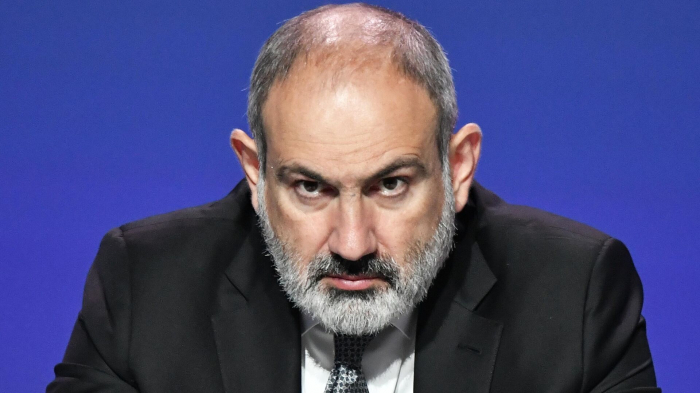
Prime Minister Nikol Pashinyan is endeavoring to convince the populace that the return of four villages to Azerbaijan is part of a strategic plan to ensure regional security and stability. He stresses the importance of peaceful negotiations, which he believes are the only way to a long-term resolution of the conflict.
Pashinyan and his administration face the dual challenge of managing external political settlements and ensuring domestic political stability, as advancing any peace initiatives is challenging without public support.
This challenge is compounded by interactions with the Armenian Apostolic church, which traditionally holds significant sway over the Armenian people. By opposing the current government, the Church can heavily influence public opinion, potentially opposing the state’s policies.
Meanwhile, the international community watches the unfolding situation in Armenia closely. However, Pashinyan emphasizes the importance of direct negotiations between Yerevan and Baku, advocating minimal interference from third parties to ensure transparency and mutual acceptance of any agreement.
Facing serious internal and external pressures, Pashinyan must not only negotiate with Azerbaijan but also handle the rising nationalist sentiments within Armenia. Any perceived concessions could trigger further dissatisfaction and protest waves.
The success of the negotiations depends not only on the political will of the leaders but also on their ability to persuade the populace that the proposed solutions will secure long-term security and prosperity. This requires Pashinyan to use significant diplomatic and communicative skills to highlight the benefits of a peaceful conflict resolution.
Therefore, the upcoming meetings in Almaty will be a critical test for Armenia, as each decision will have extensive implications for both bilateral relations and Armenia’s internal politics. Only time will tell if an agreement that satisfies all parties can be reached, bringing the much-desired peace to the region.


Similar news