Tesla charging network expansion targets China growth market


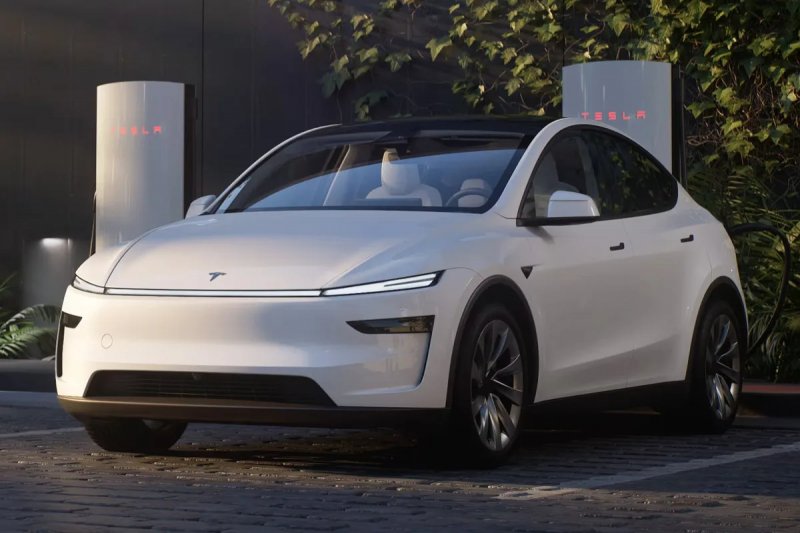
Tesla has significantly expanded its charging infrastructure in China by opening 55 new Supercharger stations in the city of Chongqing, marking another step in the company’s strategy to strengthen its presence in the world’s largest electric vehicle market.
Tesla confirmed the launch of 55 new Supercharger stations across Chongqing, one of China’s largest and fastest-growing metropolitan areas.
RECOMMENDED STORIES
The expansion adds hundreds of new charging points, making it easier for Tesla drivers to access fast charging in both urban and suburban parts of the city.
The move reflects Tesla’s ongoing commitment to improving convenience for its customers and addressing one of the key barriers to electric vehicle adoption – access to reliable and fast charging infrastructure.
Why is Chongqing important for Tesla?
Chongqing is a major economic hub in western China, with a population of more than 30 million people. The city has seen rapid growth in electric vehicle adoption, supported by government incentives and increasing consumer demand for cleaner transport.
By expanding its charging network in Chongqing, Tesla is positioning itself to capture a larger share of this growing market while supporting existing customers with better infrastructure.
The city’s complex geography, which includes mountainous terrain and dense urban districts, also makes widespread charging coverage particularly important. Tesla’s expansion aims to ensure that drivers can access charging stations conveniently regardless of location.
How does the Supercharger network work?
Tesla’s Supercharger network is designed to provide high-speed charging for its electric vehicles. These stations can deliver significant battery charge in a relatively short time, allowing drivers to continue long-distance travel with minimal delays.
The latest generation of Superchargers can add hundreds of kilometres of range in under an hour, depending on the vehicle model and battery capacity. This makes them a critical component of Tesla’s ecosystem, supporting both daily commuting and intercity travel.
What does this mean for electric vehicle adoption?
The expansion of charging infrastructure plays a crucial role in accelerating the adoption of electric vehicles. One of the main concerns for potential EV buyers is “range anxiety” – the fear of running out of battery without access to charging.
By increasing the number of Supercharger stations, Tesla helps reduce this concern and makes electric vehicles a more practical option for a wider range of consumers.
Improved charging access can also encourage longer trips and greater usage of electric vehicles, further supporting the transition away from traditional internal combustion engine cars.
How does this fit into Tesla’s China strategy?
China is one of Tesla’s most important markets, both in terms of sales and production. The company operates a major manufacturing facility in Shanghai and has been steadily expanding its footprint across the country.
The addition of new Supercharger stations in Chongqing aligns with Tesla’s broader strategy of:
- Strengthening its infrastructure network
- Supporting growing vehicle sales
- Enhancing customer experience
By investing in charging infrastructure, Tesla is reinforcing its competitive position in a market that includes strong domestic players and increasing competition.
How does Tesla compare with competitors in China?
Tesla faces competition from several Chinese electric vehicle manufacturers, many of which are also investing heavily in charging networks.
However, Tesla’s Supercharger network remains one of the most extensive and integrated charging systems globally. Its seamless integration with Tesla vehicles, including navigation and payment systems, provides a strong user experience advantage.
That said, local competitors are rapidly expanding their own infrastructure, and the pace of development in China’s EV sector remains extremely high.
What are the broader implications?
Tesla’s expansion in Chongqing highlights several key trends in the global electric vehicle industry.
First, infrastructure is becoming just as important as vehicle production. Companies that can provide reliable charging networks are more likely to attract and retain customers.
Second, China continues to play a central role in the global EV transition. Investments in cities like Chongqing demonstrate the scale and speed of development in the Chinese market.
Third, competition is intensifying. As more companies enter the EV space, infrastructure expansion is becoming a critical battleground.
What is the long-term outlook?
Tesla’s continued investment in charging infrastructure suggests that the company sees strong long-term growth potential in China.
As electric vehicle adoption increases, demand for fast and accessible charging will continue to rise. Expanding the Supercharger network will be essential to meeting this demand and maintaining customer satisfaction.
For Tesla, the challenge will be to keep pace with both market growth and competition while ensuring that its infrastructure remains reliable and efficient.
Final takeaway
Tesla’s addition of 55 new Supercharger stations in Chongqing represents more than just an infrastructure upgrade. It is a strategic move aimed at strengthening the company’s position in a key global market.
By improving charging access and supporting the growth of electric vehicles, Tesla is reinforcing its role as a major player in the transition to sustainable transportation.
By Faig Mahmudov


Similar news