The return of nuclear energy: Why the world is reconsidering atomic power after years of decline


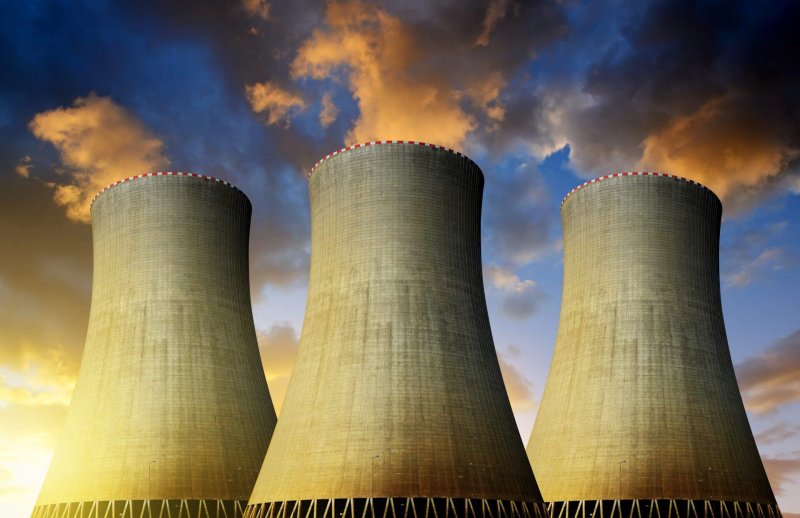
For decades, nuclear energy was viewed by many countries as a controversial and declining industry. Major disasters such as Chernobyl disaster and Fukushima Daiichi nuclear disaster triggered public fear, political opposition, and strict regulations across much of the world.
Several governments announced plans to phase out nuclear power entirely, while renewable energy sources such as solar and wind gained momentum.
RECOMMENDED STORIES
Today, however, the global energy landscape is changing dramatically.
Rising electricity demand, climate change, geopolitical tensions, energy security concerns, artificial intelligence infrastructure expansion, and the need for stable low carbon electricity are all contributing to a major reassessment of nuclear power.
Countries across Europe, Asia, the Middle East, and North America are increasingly reconsidering nuclear energy not as a fading technology, but as a strategic necessity for the 21st century.
Governments, technology companies, and investors are now pouring billions of dollars into new reactor designs, small modular reactors, uranium supply chains, and nuclear infrastructure modernization.
Supporters argue nuclear energy may become essential for achieving climate goals while maintaining stable electricity systems. Critics, however, continue warning about safety risks, radioactive waste, high costs, and geopolitical dangers.
Below is a detailed FAQ explainer examining why nuclear energy is making a global comeback and how the industry could reshape future energy systems.
Why is nuclear energy becoming popular again?
Several major global trends are driving renewed interest in nuclear power.
The first is climate change. Governments seeking to reduce carbon emissions increasingly recognize that nuclear power generates electricity with very low greenhouse gas emissions.
Second, energy security has become a major geopolitical concern following the Russia Ukraine war and global energy market disruptions.
Countries want reliable domestic electricity generation that reduces dependence on imported fossil fuels.
Third, electricity demand is rising rapidly due to artificial intelligence, data centers, electric vehicles, industrial electrification, and population growth.
Renewable energy sources such as solar and wind are expanding quickly, but many governments worry about intermittency and grid stability.
Nuclear power provides stable baseload electricity available regardless of weather conditions.
As a result, many countries now see nuclear energy as an important complement to renewables rather than a competitor.
What exactly is nuclear energy?
Nuclear energy is generated through nuclear fission, a process where atoms are split to release enormous amounts of heat.
This heat is used to produce steam that drives turbines and generates electricity.
Most modern nuclear reactors use uranium as fuel.
Compared with fossil fuels, nuclear power plants produce extremely large amounts of electricity with relatively small fuel quantities and very low carbon emissions.
Nuclear plants can also operate continuously for long periods without interruption, making them valuable for maintaining stable electricity supplies.
Why did nuclear power decline in the first place?
Several factors contributed to the industry’s decline in many countries.
Major nuclear accidents severely damaged public confidence.
The Chernobyl disaster in 1986 and Fukushima disaster in 2011 raised concerns about reactor safety, radiation exposure, and environmental contamination.
Construction costs for large nuclear plants also became extremely expensive and time consuming.
At the same time, renewable energy technologies became cheaper and politically more popular.
Some countries, especially in Europe, adopted anti nuclear policies and began shutting down reactors.
Germany, for example, implemented a major nuclear phase out strategy after Fukushima.
Public fears surrounding radioactive waste disposal also contributed to political resistance.
Why are climate goals changing the nuclear debate?
Climate change has dramatically reshaped energy discussions worldwide.
Governments increasingly face pressure to reduce carbon emissions while maintaining reliable electricity systems.
Renewable energy sources such as solar and wind are expanding rapidly, but they depend heavily on weather conditions.
This creates challenges for electricity grids requiring constant stable power supply.
Nuclear energy offers low carbon electricity generation without direct emissions during operation.
Many climate experts now argue that achieving net zero emissions may be extremely difficult without some role for nuclear power.
As a result, several governments that previously opposed nuclear energy are reconsidering their positions.
Why is electricity demand increasing so rapidly?
Global electricity demand is rising for several reasons.
Electric vehicles are increasing electricity consumption in transportation sectors.
Industrial processes are gradually shifting from fossil fuels toward electrification.
Artificial intelligence systems and data centers require enormous computing power and energy consumption.
Digital economies, cloud infrastructure, and automation are also expanding electricity demand.
At the same time, developing economies continue experiencing population growth and urbanization.
Some analysts believe electricity demand growth over the next two decades could be unprecedented.
This is forcing governments to search for reliable large scale energy sources capable of supporting future economic expansion.
How does artificial intelligence affect nuclear energy demand?
Artificial intelligence infrastructure requires massive electricity supplies.
Large AI data centers consume enormous amounts of energy for computing and cooling systems.
Technology companies increasingly worry about securing stable long term electricity sources.
As a result, several major tech firms are now exploring partnerships involving nuclear energy and small modular reactors.
Some experts believe AI expansion could become one of the biggest drivers of future nuclear investment.
Stable nuclear power is attractive because it can continuously support large scale data processing operations without depending on weather conditions.
The intersection between AI and nuclear energy is therefore becoming an increasingly important economic trend.
What are small modular reactors?
Small modular reactors, often called SMRs, are advanced nuclear reactors designed to be smaller, more flexible, and potentially cheaper than traditional large reactors.
Supporters believe SMRs could solve several problems facing conventional nuclear energy.
Potential advantages include:
– Lower construction costs
– Faster deployment
– Improved safety systems
– Smaller physical footprint
– Flexible deployment in remote areas
– Better compatibility with renewable energy grids
Many governments and private companies are investing heavily in SMR development.
However, most designs are still in early deployment stages and commercial viability remains uncertain.
Which countries are leading the nuclear comeback?
Several countries are aggressively expanding nuclear energy programs.
China is currently building reactors faster than any other country and views nuclear energy as central to energy security and industrial growth.
India is also rapidly expanding nuclear capacity to support economic development and rising electricity demand.
France continues relying heavily on nuclear power and plans additional investments.
United Kingdom, South Korea, and Japan are also reconsidering or expanding nuclear strategies.
Meanwhile, countries in the Middle East including United Arab Emirates are investing heavily in nuclear infrastructure.
Why is Europe divided on nuclear energy?
Europe remains deeply divided over nuclear policy.
France strongly supports nuclear energy and relies on it for most electricity generation.
Germany, however, shut down its final nuclear reactors after years of anti nuclear political pressure.
Some Eastern European countries support nuclear expansion due to energy security concerns and dependence on imported energy.
The European Union itself remains internally divided on whether nuclear energy should be fully classified as a sustainable green investment.
This debate reflects broader disagreements over climate policy, industrial strategy, and energy security.
How important is uranium in the new nuclear era?
Uranium is becoming increasingly strategically important.
Nuclear reactors require uranium fuel, making supply chains critical for energy security.
Kazakhstan is currently the world’s largest uranium producer and therefore occupies a highly important position in global nuclear markets.
Countries are increasingly concerned about securing reliable uranium supplies amid geopolitical tensions.
The uranium sector is therefore attracting renewed investment and strategic attention.
Some analysts believe uranium markets could become far more geopolitically significant over the coming decades.
Can nuclear energy replace fossil fuels completely?
Most experts believe nuclear energy alone cannot fully replace fossil fuels.
However, it could become an important component of diversified low carbon energy systems.
Many governments increasingly support a mixed approach combining:
– Nuclear power
– Solar energy
– Wind energy
– Hydropower
– Energy storage technologies
– Smart electricity grids
The exact balance varies between countries depending on geography, economics, politics, and energy infrastructure.
Nuclear power is especially valuable for industries and electricity systems requiring constant stable energy supply.
Why are critics still concerned about nuclear energy?
Several major concerns remain.
Safety remains one of the biggest issues despite technological improvements.
Nuclear accidents, although rare, can have severe environmental and human consequences.
Radioactive waste disposal also remains unresolved in many countries.
Critics argue long term storage solutions remain politically and technically difficult.
Construction costs for large reactors are often extremely high and projects frequently face delays.
Some environmental groups argue renewable energy and battery storage technologies may eventually make nuclear power unnecessary.
There are also concerns about nuclear proliferation and the potential military misuse of nuclear technologies.
How does nuclear energy affect geopolitics?
Nuclear energy is deeply connected with geopolitics.
Countries possessing advanced nuclear industries gain technological influence, industrial capacity, and strategic partnerships.
Nuclear fuel supply chains, reactor exports, and technology cooperation increasingly shape international relations.
Russia, China, the United States, France, and South Korea all compete globally in reactor construction and nuclear technology exports.
Energy dependence also creates geopolitical leverage.
Countries capable of providing nuclear fuel, reactor technology, or infrastructure may gain long term influence over partner states.
As a result, nuclear energy increasingly intersects with broader geopolitical competition.
Could nuclear fusion change everything?
Potentially, but not immediately.
Nuclear fusion differs from fission because it combines atoms rather than splitting them.
Fusion could theoretically produce enormous amounts of clean energy with fewer waste concerns and lower accident risks.
Scientists and private companies have made significant progress recently, increasing optimism about future fusion technologies.
However, commercial fusion power remains technologically extremely challenging.
Most experts believe large scale commercial fusion deployment is still many years or even decades away.
For now, traditional nuclear fission remains the primary form of nuclear electricity generation.
Why are younger generations becoming more open to nuclear power?
Climate anxiety has changed attitudes in some countries.
Many younger people increasingly prioritize emissions reduction and energy security over older ideological opposition to nuclear energy.
As climate risks intensify, some environmental groups that previously opposed nuclear power have softened their positions.
Support for nuclear energy is especially growing among those who view it as necessary for rapid decarbonization.
However, public opinion still varies significantly depending on national history, political culture, and trust in institutions.
Could nuclear power help developing countries?
Potentially yes, although costs remain a major challenge.
Reliable electricity is essential for industrialization, urbanization, healthcare, and digital economies.
Some developing countries view nuclear power as a long term solution for rising energy demand and energy security.
Small modular reactors may eventually make nuclear technology more accessible to smaller economies.
However, financing, technical expertise, regulatory systems, and infrastructure requirements remain major barriers.
International partnerships are therefore often essential for nuclear development projects.
What role do technology companies play in the nuclear revival?
Technology companies are becoming increasingly influential in energy discussions.
AI data centers and cloud infrastructure require stable large scale electricity supplies.
Major technology firms are therefore exploring long term energy partnerships involving nuclear generation.
Some companies are investing directly in advanced reactor technologies and small modular reactor projects.
This growing relationship between the tech industry and nuclear energy could significantly accelerate investment and political support.
What does the future of nuclear energy look like?
The future remains uncertain but increasingly dynamic.
Nuclear energy is unlikely to dominate global electricity systems entirely.
However, the industry is clearly experiencing a major revival after years of stagnation.
Climate goals, energy security concerns, artificial intelligence infrastructure, and rising electricity demand are all strengthening support for nuclear investment.
At the same time, technological innovation may improve reactor safety and flexibility over time.
Still, significant obstacles remain including high costs, political opposition, waste management challenges, and public concerns.
The global energy transition is therefore unlikely to rely on a single solution.
Instead, nuclear energy is increasingly being reconsidered as one critical component of a broader strategy to build stable, low carbon, and geopolitically secure electricity systems for the future.
By Faig Mahmudov


Similar news