The situation on the Lebanon-Israel border: rumors of possible ceasefire negotiations


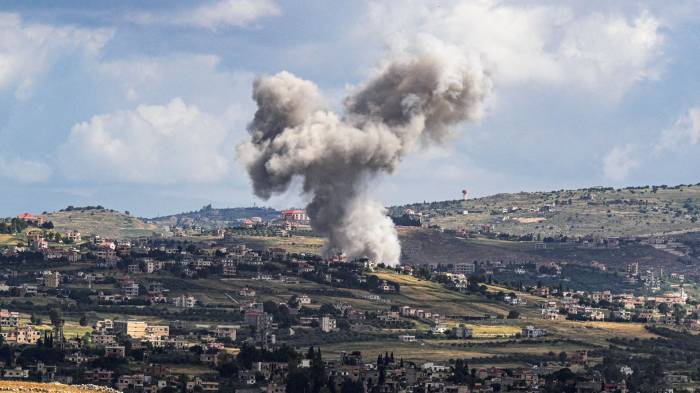
As of September 26, 2024, the situation on the Lebanon-Israel border remains extremely tense. Despite media rumors of potential ceasefire negotiations, military operations between Israel and Lebanon continue. The Israeli Defense Forces (IDF) aerial operation, dubbed "Northern Arrows," shows no signs of abating. Contrary to reports of a reduction in airstrikes, the intensity of Israeli Air Force attacks on Lebanese territory remains high.
Israeli forces continue to target various areas in Lebanon , including southern border regions and more distant cities. According to the IDF press service, over the past 24 hours, more than 75 targets were attacked. Among the targets are strategic Hezbollah positions, which has heightened concerns about a possible escalation of the conflict.One notable incident was a strike on the Mutriba checkpoint, located in northern Lebanon, near the border with Syria's Homs province. Local sources, citing Syria's Ministry of Health, reported that five people were injured in the attack.
Another target of the Israeli Air Force was a suburb of Beirut, where, according to unconfirmed reports, Muhammad Hussein Surur ("Abu Saleh"), a high-ranking Hezbollah commander responsible for drone operations, may have been present. Lebanese authorities have yet to comment on these reports.
According to Lebanon's Ministry of Health, since the start of Israeli military actions, 72 people have been killed, and another 354 have been wounded, some severely. Among the casualties are Syrian refugees, with a significant number of deaths occurring during airstrikes in the Bekaa Valley.
The conflict is also causing mass displacement. According to the United Nations, around 90,000 Lebanese citizens have been forced to flee their homes , with approximately 20,000 crossing into Syria. The Lebanese Emergency Committee estimates the total number of displaced people to be between 150,000 and 200,000, reflecting the growing humanitarian crisis caused by the ongoing conflict.
Amid rising tensions, Western media reported the start of negotiations for a possible ceasefire. According to the White House, the U.S. and France have agreed on a call for a halt to hostilities, which several countries have supported. However, neither Israel nor Hezbollah has shown any willingness to engage in dialogue thus far.
For Hezbollah, any ceasefire negotiations could result in strategic concessions, such as retreating beyond the Litani River. Meanwhile, for Israel's ultra-Orthodox government, the escalation serves as a means to maintain public support and cling to power.
In conclusion, despite international efforts to resolve the conflict and rumors of negotiations, the situation on the Lebanon-Israel border remains highly volatile. With both sides showing no signs of readiness for dialogue, continued hostilities are expected, further worsening the humanitarian situation in the region and increasing the risk of escalation.


Similar news