The world's weirdest Raspberry Pi projects push the boundaries of DIY innovation


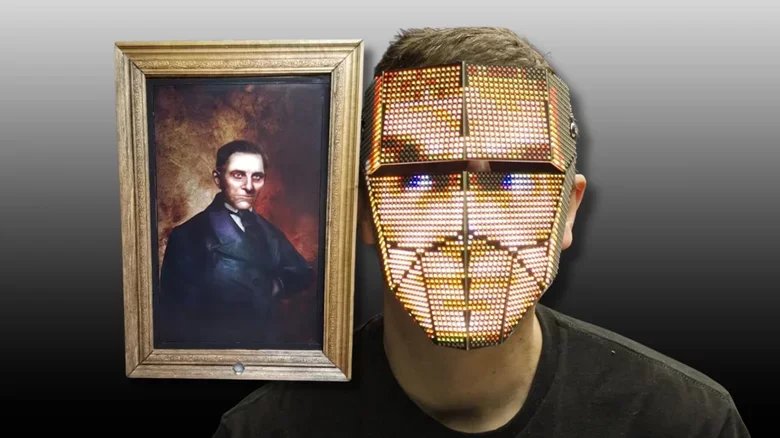
The Raspberry Pi is far more than just a budget-friendly desktop or a dedicated retro-gaming console.
Thanks to its incredible versatility and open-source architecture, this credit-card-sized microcomputer has become the foundation for some of the most eccentric and daring engineering feats ever attempted by the maker community, News.Az reports, citing BGR. Enthusiasts worldwide are leveraging its power to build devices that sit precariously on the line between brilliant innovation and pure absurdity.
RECOMMENDED STORIES
One of the standout examples of this creativity is the "Smart Mirror" project, which transforms a standard household object into a high-tech interface. By placing a display behind a one-way mirror and powering it with a Raspberry Pi, creators have developed mirrors that overlay weather forecasts, news headlines, and daily schedules onto a person's reflection. This futuristic hub brings science fiction aesthetics into the modern bathroom or hallway, turning a simple grooming tool into a functional command center.
For those with a penchant for nostalgia, the Raspberry Pi has become the ultimate tool for "digitizing" the past. Some of the weirdest yet most charming projects involve gutting vintage hardware, such as 1950s television sets or antique rotary phones, and replacing their internals with modern hardware. These "retrotech" hybrids allow an old radio to stream Spotify via Wi-Fi or a rotary phone to function as a voice-activated assistant, preserving the classic physical aesthetic while granting the device entirely new, modern capabilities.
The world of pet care has also seen its share of strange Raspberry Pi applications. Developers have successfully built facial recognition systems—specifically for animals. Using a camera module and machine learning algorithms, the Pi can identify a specific cat or dog, automatically unlocking a pet door or dispensing food while remaining locked for neighborhood strays or wildlife. This level of customized automation highlights how powerful and accessible computer vision has become for home hobbyists.
In the realm of music, the microcomputer has inspired the creation of bizarre instruments, such as the laser harp. By using light beams instead of physical strings, sensors connected to the Raspberry Pi detect when a beam is broken and trigger specific synthesized notes. These projects prove that the potential of the Raspberry Pi is limited only by a developer's imagination, proving that a board costing just a few dozen dollars can be the heart of a laser-playing orchestra or a cat-identifying bouncer.
By Leyla Şirinova


Similar news