Transit of Russian gas through Ukraine: Current situation and prospects


By Asif Aydinli
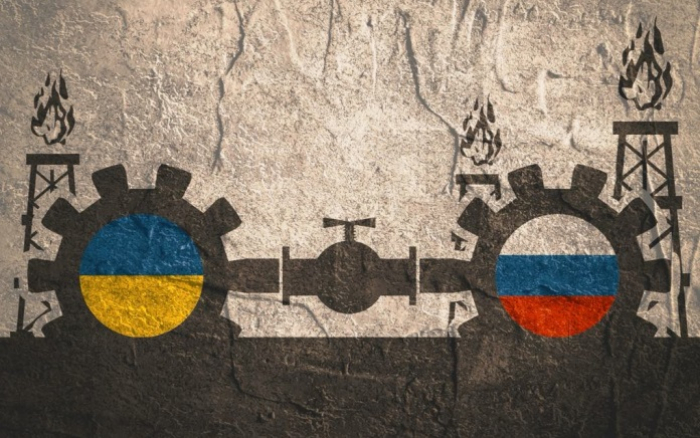
Despite its full-scale invasion of Ukraine, Russia is still using Ukraine's gas transmission system (GTS) to supply natural gas to Europe.
Russia's gas giant Gazprom has reported that on June 24, it supplied 42.4 million cubic meters of gas through the Sudzha gas measuring station (GIS), the entry point from Russia to Ukraine of the Urengoy-Pomary-Uzhgorod main gas pipeline (MGP), for transit through Ukraine's GTS.
In May 2022, Ukraine stopped Russia gas transit through the Sokhranivka GIS, the entry point to Ukraine of the Soyuz MGP.
The load on the second line of the TurkStream main gas pipeline , aimed at the Southeast European market, has been restored to the level observed before the annual planned preventive maintenance (PPM), while the use of Nord Stream pipelines in the Baltic Sea was halted following the September 26, 2022 explosions on them.
Another route for Russian gas supplies to Europe — the Yamal-Europe main gas pipeline — has been inaccessible to Gazprom since May 11, 2022, due to Russian counter-sanctions.

According to Ukrainian economist Ivan Us , one of the paradoxes of Russia's full-scale invasion of Ukraine is the fact that for almost two and a half years, Ukraine's gas transmission system continues to provide services for the transportation of natural gas from Russia to EU countries.
"From May 2022 to January 3, 2023, the volume of Russian gas transit through Ukraine's gas transmission system ranged from 40 to 43 million cubic meters per day, but then it dropped to 24.2-25.1 million. However, since February, it has returned to about 40 million cubic meters per day. Since the beginning of 2024, the transit volume has remained at around 42.4 million cubic meters per day," he told News.Az.
The expert noted that since the start of full-scale hostilities on February 24, 2022, the question of stopping the transit of natural gas from Russia to Europe has been raised repeatedly. "Europe attempted to give up on Russian gas, but several Eastern European countries opposed this proposal, as their economies depended on natural gas supplies from Russia, and diversification of supplies required time," he said.
"Ukraine also needed the funds received for the transportation of natural gas. Transit revenues in 2021 amounted to about $1 billion, and the Ukrainian budget was not ready to simply forgo them. Although it was clear that with the decrease in the volume of natural gas transportation, transit revenues would decrease, certain funds were still being received," the expert said.
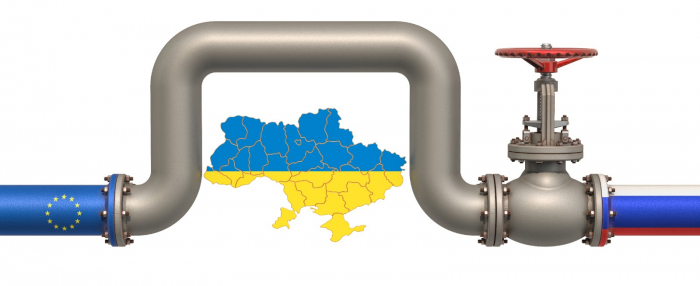
He went on to say that as a result, a decision was made that some European countries would continue to receive natural gas through the pipeline passing through Ukraine, but only for the duration of the transportation contract. "This contract expires at the end of the current 2024. After that, according to Ukrainian officials, natural gas supplies from Russia to Europe through Ukraine's gas transmission system will cease," he added.
"The future of Ukraine's gas transmission system after the beginning of 2025 remains unknown. There are concerns that the decommissioned pipelines may become military targets or fall into disrepair, the restoration of which will be costly. Additionally, Ukraine will lose revenue from natural gas transit, which could have provided essential funding for the country's war-torn economy.
In this regard, the idea of using Ukraine's gas transmission system to transport natural gas to Europe, which will be delivered to the ports of Greater Odesa from Azerbaijan and other countries interested in such supplies via the Black Sea, is gaining momentum. It is obvious that during military actions, the risks are too high, but this does not mean that this option should not be considered," the Ukrainian expert said.


Similar news