Trump signs executive order restricting banking for non-citizens


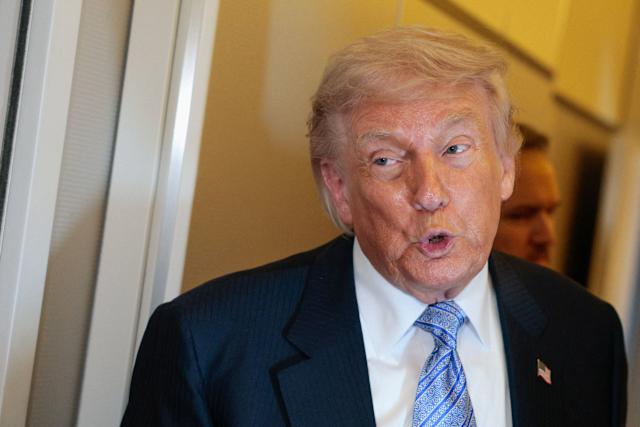
President Donald Trump has signed a major executive order targeting non-citizens' access to the U.S. financial system.
The directive, titled “Restoring Integrity to America’s Financial System,” orders federal regulators and the Treasury Department to issue strict new guidance under the 1970 Bank Secrecy Act. Under the new rules, commercial banks will be required to treat a customer’s immigration status as a direct factor when evaluating potential financial risks, such as money laundering, labor trafficking, and terrorism financing, News.Az reports, citing Time.
The policy shift is expected to heavily restrict financial access for non-citizens—particularly undocumented immigrants—trying to open accounts, secure mortgages, or use standard banking services.
RECOMMENDED STORIES
The White House fact sheet outlines specific customer profiles and financial behaviors that banks must now flag as suspicious. These include:
ID Restrictions: Using an Individual Taxpayer Identification Number (ITIN)—often used by non-citizens to pay taxes—instead of a Social Security Number.
Consular Cards: Utilizing foreign consular identification cards to verify identity.
Cash & Transactions: Repetitive cash withdrawals and the use of platforms for "off-the-books" wage payments.
The administration argues that these loopholes are currently being exploited by illicit networks and that extending lines of credit to "high-risk borrowers" forces American citizens to absorb the financial fallout through higher banking fees and elevated interest rates. However, independent economists widely dispute this claim, attributing higher consumer rates to federal benchmark rates and standard inflation-control measures rather than non-citizen lending.
The executive order represents a slight compromise from a far more sweeping proposal previously weighed by the Trump Administration. The initial plan would have mandated that banks verify the citizenship status of every account holder in the United States.
That draft faced fierce backlash from financial industry leaders, who warned that the compliance costs would be astronomically high. Analysts and civil rights groups also cautioned that a blanket citizenship mandate risked accidentally "debanking" millions of low-income, elderly, and rural American citizens who do not readily own or have access to a passport or birth certificate.
While the finalized order backs away from universal citizenship checks, it grants the Treasury Department the power to implement future regulatory changes, making it significantly easier for banks to collect employment authorization and immigration data moving forward.
By Aysel Mammadzada


Similar news