UK air ambulances at risk due to fuel shortage


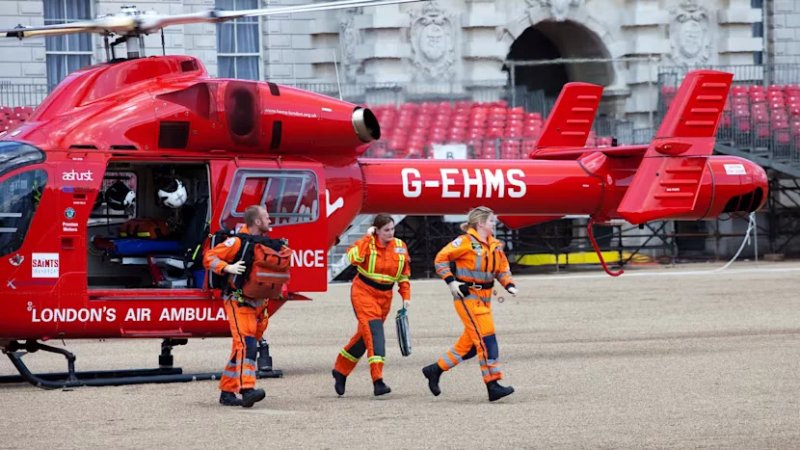
At least 14 air ambulance charities in the UK have warned that the US-Israeli conflict with Iran has more than doubled jet fuel prices, with some cautioning that fuel reserves could be depleted as early as June.
Jet fuel prices have doubled since the US and Israel launched their assault on Iran in late February, causing aviation issues worldwide, News.Az reports, iting ITV.
RECOMMENDED STORIES
The fuel is used in both commercial aircraft and the turbine-powered helicopters operated by UK air ambulance services.
Air ambulance charities in Cornwall, East Anglia, Essex and Hertfordshire, Hampshire and the Isle of Wight, London, Midlands, Scotland, Thames Valley, Wales, Yorkshire, Magpas, Wiltshire, North West and Great Western have all raised concerns with ITV News about rising fuel costs.
Hampshire and the Isle of Wight said aviation fuel costs have risen by around 50% since the start of the month, equivalent to about £10,000 extra per month.
London's air ambulance said costs have "more than doubled since February, rising by 116%.”
It added: "Those costs increasing means that we have less money to spend on other parts of our work and, as a charity, we rely on donations from the general public to cover those costs."
Magpas Air Ambulance Chief Executive Daryl Brown said fuel costs had risen by 82.5%, while Cornwall warned the price spike would cost them an additional £10,000 per month.
Yorkshire has seen an increase of around 65%, costing an estimated £180,000 in additional annual costs.
Both East Anglia and the Midlands have also raised concerns about fuel supply.
East Anglia's aviation partner Babcock has assessed its current supply risk as moderate, but warned of "potential availability issues emerging from June onwards if the wider situation does not improve."
Midlands chief executive Hanna Sebright said the charity moved quickly to fill its reserves before prices surged, but that current supplies "are only expected to last until June".
Other charities said they are closely monitoring the conflict in the Middle East to plan how to maintain their fuel reserves.
The closure of the Strait of Hormuz, a major global oil shipping route, has been the primary driver of rising fuel prices worldwide.
The US and Iran are still in ceasefire talks to end the war and could reopen the strait, but doubts have emerged this week after Trump rejected Iran's latest proposals.
This is a development that will likely have consequences for the UK's air ambulance charities in the future.
By Ulviyya Salmanli


Similar news