What is behind the UK ban on Israeli soldiers?


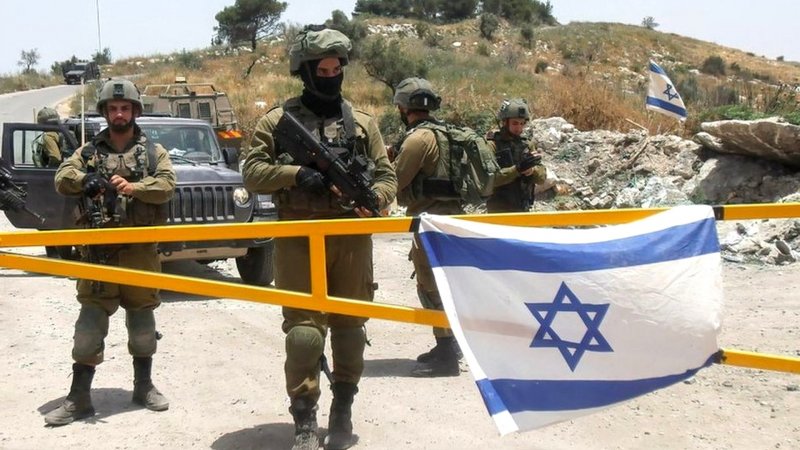
Debate has emerged in the United Kingdom over the country's relationship with Israel amid the continuing war in Gaza and growing international scrutiny of Israeli military operations.
While there is currently no law banning Israeli soldiers from entering the UK, discussions have intensified following decisions by the British government to suspend or pause certain forms of military cooperation and training involving Israeli personnel, News.az reports.
The controversy has generated political debate in Parliament, among human rights organizations, legal experts and advocacy groups.
The issue has become part of a broader discussion about international law, accountability during armed conflicts, diplomatic relations and Britain's role in the Middle East.
Has the UK Parliament voted to ban Israeli soldiers?
As of now, the UK Parliament has not passed legislation imposing a blanket ban on Israeli soldiers entering the country. There is no nationwide legal prohibition preventing members of the Israeli military from traveling to Britain.
However, there have been policy decisions affecting military cooperation and military education programs involving Israeli personnel. These measures have fueled speculation about whether Parliament could consider stronger restrictions in the future.
What action has the British government already taken?
The British government previously announced a pause on future participation by Israeli personnel in certain UK military education and training courses.
Officials linked the decision to concerns regarding the expansion of Israeli military operations in Gaza. The government stated that future places on UK-run military training and education programs allocated to Israel would be paused.
This policy did not amount to a general ban on Israeli soldiers entering Britain, but it represented a significant diplomatic and military step.
What is the Royal College of Defence Studies?
The Royal College of Defence Studies (RCDS) is one of the United Kingdom's most prestigious military and strategic education institutions.
Senior military officers, diplomats, government officials and security specialists from numerous countries attend its programs.
The college plays an important role in developing international military relationships and strategic cooperation.
Because of its international nature, decisions affecting participation by foreign military personnel often attract attention far beyond Britain.
Why were Israeli personnel excluded from some courses?
The British government stated that it disagreed with Israel's decision to intensify military operations in Gaza and therefore paused future participation by Israeli personnel in certain UK military educational programs.
Officials emphasized that the decision reflected government policy rather than an independent decision by the college itself.
The move was interpreted by many observers as a diplomatic signal expressing concern about developments in the conflict.
Does this mean Israeli soldiers are banned from Britain?
No.
A pause in participation in military education programs is not the same as a nationwide entry ban.
Israeli citizens, including military personnel, are not automatically prohibited from entering the United Kingdom simply because they serve or have served in the Israeli armed forces.
A blanket prohibition would require a much broader legal framework and would raise significant diplomatic, legal and practical questions.
Could Parliament legally ban Israeli soldiers?
In theory, Parliament possesses broad legislative authority and could consider laws affecting entry, visas or sanctions.
However, implementing a blanket ban on all Israeli soldiers would be extremely complex.
Such a measure would require lawmakers to address issues including:
-
International law.
-
Diplomatic relations.
-
Nationality and discrimination concerns.
-
Security cooperation.
-
Existing visa rules.
-
Human rights obligations.
Any proposal would likely face intense political debate and possible legal challenges.
How would a ban differ from sanctions?
Sanctions generally target specific individuals, entities or organizations.
A blanket ban on all Israeli soldiers would affect a much broader category of people.
For example, sanctions might target:
-
Military commanders.
-
Government officials.
-
Organizations.
-
Companies.
-
Individuals accused of misconduct.
A general prohibition on all current or former military personnel would represent a far more sweeping measure.
Has the UK ever banned foreign military personnel before?
Britain has previously imposed sanctions and travel restrictions on individuals from various countries.
These measures have often targeted people accused of:
-
Human rights abuses.
-
War crimes.
-
Corruption.
-
Security threats.
However, blanket restrictions covering all members of a foreign military are relatively uncommon and would represent a significant departure from traditional British policy.
Why are some groups demanding stronger action?
Critics of Israeli military operations argue that governments should take stronger measures in response to events in Gaza.
Some advocacy groups believe:
-
Diplomatic pressure is insufficient.
-
Additional sanctions are necessary.
-
Military cooperation should be suspended.
-
Travel restrictions should be expanded.
Supporters of such measures argue they would increase accountability and pressure decision makers to change policies.
Why do others oppose such proposals?
Opponents argue that blanket restrictions would be unfair and counterproductive.
Their concerns include:
-
Punishing individuals solely because of military service.
-
Damaging diplomatic relations.
-
Undermining peace efforts.
-
Creating legal complications.
-
Setting difficult international precedents.
Critics also note that military service is compulsory for many Israeli citizens, meaning a broad ban could affect large portions of the population.
What role does international law play?
International law is central to the debate.
Questions often focus on:
-
Rules governing armed conflict.
-
Protection of civilians.
-
Accountability mechanisms.
-
State responsibilities.
-
Jurisdiction over alleged war crimes.
Different governments and organizations frequently interpret these issues differently, which contributes to political disagreement.
Any future restrictions would likely be examined through the lens of international legal obligations.
Could individual Israeli soldiers face restrictions?
Potentially.
Many countries already possess legal mechanisms that allow authorities to investigate or restrict individuals suspected of serious international crimes.
In such cases, decisions are generally based on evidence relating to specific persons rather than their nationality or military affiliation alone.
This differs significantly from a blanket prohibition affecting all military personnel.
What is universal jurisdiction?
Universal jurisdiction is a legal principle allowing some countries to investigate or prosecute certain serious crimes regardless of where they occurred.
These crimes can include:
-
War crimes.
-
Crimes against humanity.
-
Genocide.
-
Torture.
The principle exists because some offenses are considered so serious that they concern the international community as a whole.
Debates about Israeli military personnel often intersect with discussions about universal jurisdiction.
Could a parliamentary vote actually happen?
Yes.
Members of Parliament can introduce motions, hold debates and propose legislation on virtually any public policy issue.
However, there is a major difference between discussing an issue and successfully passing legislation.
Many proposals receive public attention but never become law.
For a ban to be implemented, it would need sufficient political support in both Parliament and government.
What political parties are saying?
Views differ significantly across the British political spectrum.
Some politicians advocate stronger measures against Israel, while others emphasize the importance of maintaining strategic and diplomatic ties.
Many lawmakers support:
-
A ceasefire.
-
Humanitarian assistance.
-
Diplomatic negotiations.
-
A two-state solution.
Disagreement often centers on whether additional pressure or sanctions would help achieve those goals.
How could such a proposal affect UK-Israel relations?
Relations between Britain and Israel could be significantly affected.
Potential consequences might include:
-
Diplomatic disputes.
-
Reduced military cooperation.
-
Political tensions.
-
Economic implications.
-
Security coordination challenges.
The UK and Israel maintain longstanding political, economic and security relationships, meaning any major policy shift would likely have far-reaching effects.
Would such a ban affect NATO?
Israel is not a NATO member.
However, Israel maintains various forms of cooperation with Western countries, including many NATO states.
Any broad restrictions involving military personnel could influence wider discussions regarding security cooperation and defense partnerships.
The extent of the impact would depend on the nature and scope of any measures adopted.
How might the international community react?
Reactions would likely vary.
Some governments and human rights groups might welcome stronger measures.
Others could criticize them as excessive or politically motivated.
International responses would probably reflect broader differences in opinion regarding the Gaza conflict and the Israeli-Palestinian dispute.
What are the arguments about accountability?
Supporters of restrictions often frame the issue around accountability.
They argue that states should use available legal and diplomatic tools when concerns arise regarding military conduct.
From this perspective, travel restrictions or sanctions can be viewed as mechanisms for encouraging compliance with international norms.
Whether such measures are effective remains a subject of debate.
What are the arguments about collective responsibility?
One of the most controversial questions concerns whether military service alone should justify restrictions.
Critics of a blanket ban argue that individuals should be judged based on personal conduct rather than group membership.
Supporters of broader restrictions sometimes argue that institutions and structures also bear responsibility.
This tension lies at the heart of many debates about sanctions and international accountability.
How does public opinion influence Parliament?
Public opinion can play a significant role in shaping political priorities.
Members of Parliament often respond to:
-
Constituents.
-
Advocacy groups.
-
Media coverage.
-
Public demonstrations.
-
International developments.
As attention to the Gaza conflict continues, lawmakers may face increasing pressure from different sides of the debate.
What happens if Parliament debates the issue?
A parliamentary debate would not automatically produce legal changes.
Possible outcomes include:
-
Symbolic motions.
-
Committee inquiries.
-
Government statements.
-
Recommendations.
-
Proposed legislation.
Many debates serve primarily to test political support and shape public discussion.
Could the courts become involved?
Possibly.
Any sweeping restrictions could face legal challenges.
Courts might be asked to examine:
-
Human rights implications.
-
Immigration law.
-
Anti-discrimination protections.
-
International obligations.
As a result, even if Parliament adopted new measures, their implementation could face judicial scrutiny.
What does this debate reveal about British foreign policy?
The discussion reflects broader questions about how Britain should respond to international conflicts.
Key issues include:
-
Human rights.
-
International law.
-
Strategic alliances.
-
Diplomatic pressure.
-
Military cooperation.
The debate demonstrates the challenges governments face when balancing moral concerns, legal obligations and geopolitical interests.
What is the most likely outcome?
Based on current developments, a blanket nationwide ban on all Israeli soldiers does not appear imminent.
However, targeted measures, restrictions on specific forms of military cooperation or sanctions against particular individuals remain subjects of political discussion.
Future developments will depend on events in the Middle East, domestic British politics and international diplomatic pressures.
The bottom line
The debate over whether the United Kingdom could ban Israeli soldiers reflects wider disagreements about the Gaza conflict, international law and accountability during wartime. While Britain has already paused future participation by Israeli personnel in certain military education programs, Parliament has not enacted a blanket prohibition on Israeli soldiers entering the country. Any move toward such a ban would face major political, legal and diplomatic hurdles. For now, the discussion remains part of a broader conversation about how governments should respond to controversial military actions while balancing legal obligations, strategic interests and international relations.
By Faig Mahmudov


Similar news