UK most exposed to jet fuel crisis, Goldman warns


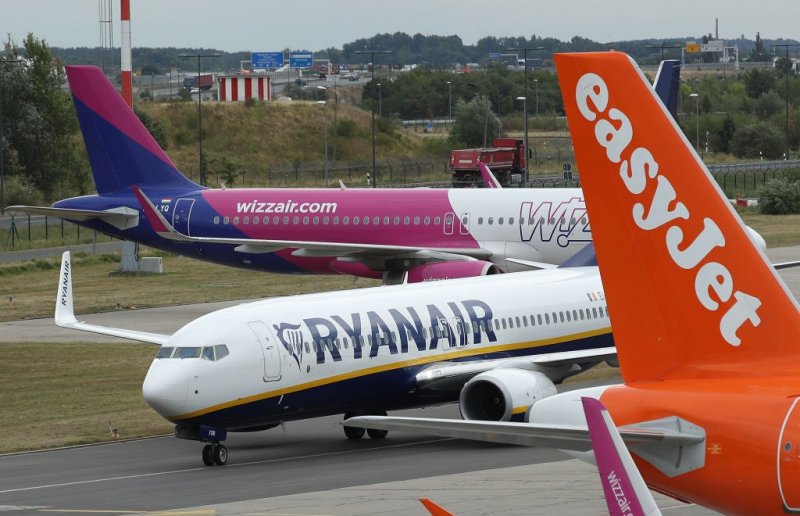
Britain is the nation “most exposed” to potential jet fuel shortages triggered by the Iran war, according to a warning from Goldman Sachs, raising concerns over possible flight cancellations and disrupted summer travel plans, News.Az reports, citing the Independent.
Analysts at the bank said the UK is heavily dependent on fuel imports passing through the closed Strait of Hormuz and faces “critically low levels” of supply alongside limited refining capacity.
Last week, the UK government asked the country’s four remaining jet fuel refineries — ExxonMobil Fawley Refinery in Hampshire, Phillips 66 Humber Refinery, Valero Pembroke Refinery, and Essar Stanlow Refinery — to maximize output in order to strengthen supply.
Airlines have also urged the government to ease environmental and noise regulations to help offset rising operational costs linked to the ongoing conflict.
RECOMMENDED STORIES
In a research note, Goldman Sachs said the UK is the largest net importer of jet fuel in Europe and holds no strategic reserves, meaning commercial stockpiles are the main buffer against shortages. The bank warned that inventories in some countries, particularly the UK, could fall to critically low levels, increasing the risk of rationing measures.
Airlines such as British Airways have already indicated they may need to raise ticket prices due to higher fuel costs. Meanwhile, UK Prime Minister Keir Starmer has suggested that people may need to consider staycations and adjust travel plans if necessary.
A government spokesperson said there is currently no jet fuel shortage in the UK, adding that authorities are working with airlines and suppliers on contingency planning to ensure continued operations during the conflict. Officials are also consulting on relaxing airport slot rules to allow airlines to consolidate schedules and improve reliability.
Industry group Airlines UK said carriers are continuing normal operations and are not experiencing fuel supply issues.
Oil markets remain volatile, with Brent crude — closely linked to jet fuel pricing — slipping slightly to $113 per barrel after a spike earlier in the week. Jet fuel prices have reportedly doubled since the start of the Iran conflict in late February.
Some airlines are already feeling the financial impact. Air France expects a $2.4 billion increase in fuel costs this year, while American Airlines forecasts an additional burden exceeding $4 billion.
The European Commission said it plans to issue guidance for airlines on jet fuel management later this week, as uncertainty continues.
Spokesperson Anna-Kaisa Itkonen said it is unclear how long the situation will last, adding that the priority is preparing for all possible scenarios.
Despite concerns, some airlines remain confident. Wizz Air said its operations remain stable and unaffected, and it does not anticipate any disruption to fuel supply, stressing that it is working closely with partners to maintain normal service.
By Nijat Babayev


Similar news