UK prime minister hails new UK-EU deal on trade, security and mobility


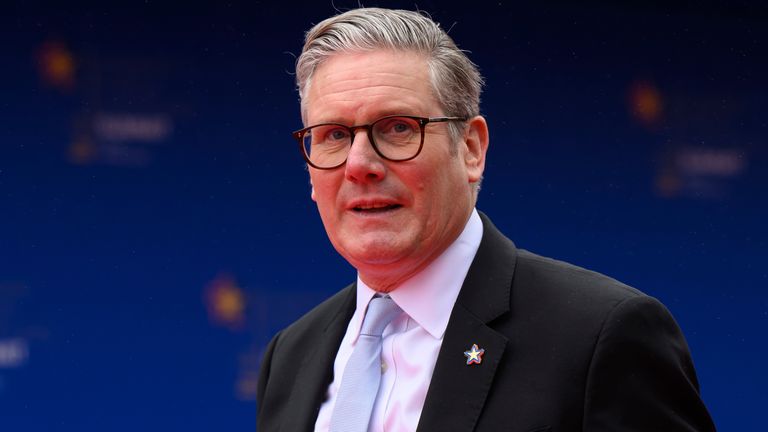
On Monday, UK Prime Minister Keir Starmer announced a new agreement with the EU designed to boost trade, reduce border frictions, and strengthen cooperation on security and migration, marking what Downing Street has called "a new chapter" in the bilateral relationship.
The deal, finalized after six months of negotiations, is the third major international agreement struck by the UK government in as many weeks, following recent pacts with the US and India, according to a statement by the British government, News.Az reports citing foreign media.
Officials say the measures will support economic growth, safeguard British jobs, and bring tangible benefits to households.
Central to the agreement is a new sanitary and phytosanitary (SPS) framework intended to streamline the import and export of food and drink.
The removal of some routine checks on animal and plant products is expected to ease the flow of goods, particularly between Great Britain and Northern Ireland — a long-standing flashpoint in post-Brexit trade.
“This agreement will have no time limit, giving vital certainty to businesses,” said the government in a statement.
Ministers argue the measures could help reduce food prices and expand supermarket choice.
The EU remains the UK’s largest trading partner. Since Brexit, UK exports to the bloc have fallen by 21% and imports by 7%, according to official figures.
The deal reopens EU markets to a range of British meat products, including burgers and sausages, which had faced restrictions since the UK’s departure from the 27-member bloc.
Also included in the agreement is a commitment to link the UK and EU’s Emissions Trading Systems (ETS), a move designed to bolster energy security and avoid penalties under the EU’s incoming carbon border tax.
On the security front, the UK will for the first time enter discussions on gaining access to the EU’s facial recognition data, in addition to current cooperation on fingerprints, DNA, and vehicle registration.
The UK said this will “enhance our ability to catch dangerous criminals and ensure they face justice more quickly.”


Similar news