US budget deficit widens in March as tax breaks boost refunds


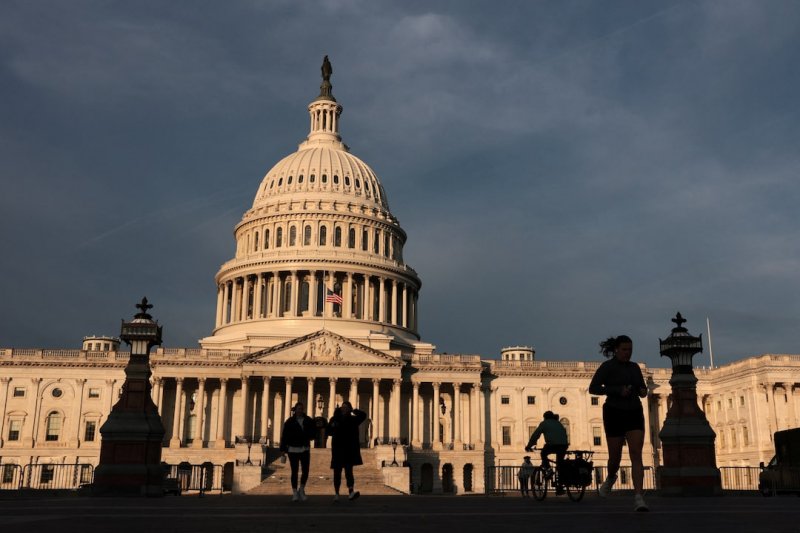
The United States reported a higher budget deficit in March, as increased tax refunds and relief payments outweighed modest gains in revenue, according to the U.S. Department of the Treasury.
The monthly deficit rose by $4bn, or 2%, to $164bn compared with the same period last year, News.Az reports, citing Reuters.
Officials said new individual and corporate tax breaks contributed to a sharp rise in refunds, placing additional pressure on federal finances. At the same time, government support payments to farmers also increased, adding to overall spending.
Total government receipts for March reached $385bn, up $17bn, or 5%, from a year earlier. However, this was outpaced by spending, which rose to $549bn, an increase of $21bn, or 4%.
Limited early impact from Iran conflict
Despite ongoing tensions involving Iran, the data showed no significant surge in defence-related spending during the first month of the conflict.
Military and defence outlays increased by $2bn, or 3%, to $65bn. A Treasury official said that larger war-related expenses, including replenishment of weapons stockpiles, are expected to appear in future months.
Customs revenue declines after tariff ruling
Customs duty collections weakened in March following a ruling by the U.S. Supreme Court that annulled the broadest global tariffs introduced under former President Donald Trump using emergency powers.
Customs receipts fell to $22.2bn, down from $26.6bn in February and from monthly levels in the low $30bn range recorded late last year. However, the figure remained significantly higher than the $8.2bn recorded in March 2025.
Outlook
The latest figures highlight continued fiscal pressures on the US government, with rising spending and policy-driven tax changes contributing to a widening deficit.
Economists say upcoming months will provide a clearer picture of the budgetary impact of geopolitical developments and fiscal policy decisions, particularly as delayed defence expenditures begin to be reflected in official data.
By Faig Mahmudov


Similar news