U.S. citizen granted Russian passport for assisting Kremlin in Ukraine


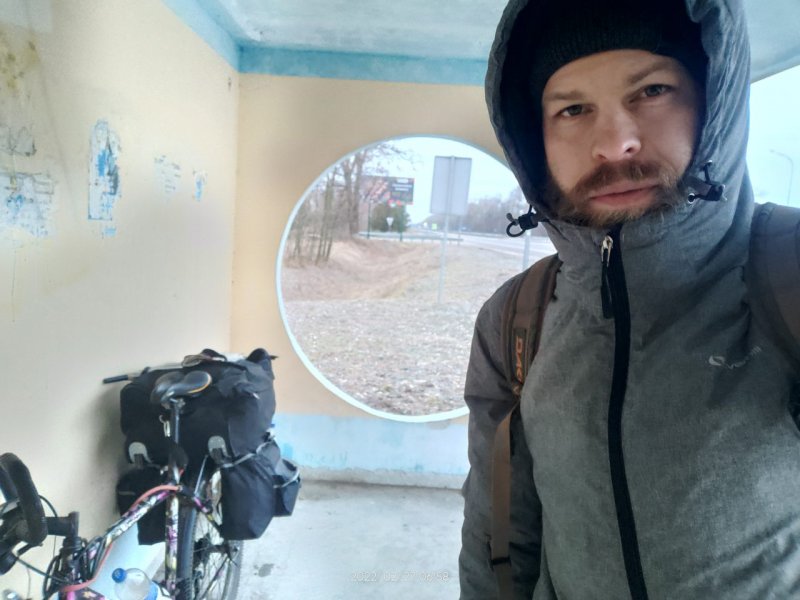
Daniel Richard Martindale, a U.S. citizen accused of aiding Russian military operations inside Ukraine, has been granted Russian citizenship by decree of President Vladimir Putin. The announcement was made Tuesday in Moscow, where Martindale was shown on state television receiving his Russian passport.
Martindale, who reportedly transmitted Ukrainian military coordinates to Russian forces during the war, was praised by Russian officials for his loyalty and direct support of Kremlin objectives in eastern Ukraine, News.Az reports, citing Reuters.
Denis Pushilin, the Moscow-installed leader in occupied Donetsk, handed Martindale his new citizenship documents and expressed personal gratitude, stating: “This is a sign of respect and a sign of gratitude for what Daniel has done. He is one of us.”
According to Pushilin, intelligence provided by Martindale was used to help plan Russian efforts to seize Kurakhove, a town near the strategic Ukrainian logistics hub of Pokrovsk.
Martindale, now in his early 30s, has a complicated history with Russia. Raised by missionary parents in rural China, he made an early visit to Russia’s Far East that reportedly sparked his interest in the country. In 2018, he moved to Vladivostok to study Russian and teach English, but was deported a year later for violating labor laws.
After briefly relocating to southern Poland, Martindale made his way into Ukraine in early 2022—just days before President Putin launched the full-scale invasion. Speaking at a press conference in 2024, Martindale said he had established contact with pro-Russian forces via Telegram and began sharing coordinates and intelligence from Ukrainian-controlled areas in Donetsk.
“I, Daniel Richard Martindale, voluntarily and consciously, accepting the citizenship of the Russian Federation, swear to observe the constitution,” he said in Russian, holding up his new passport in a televised ceremony. “Russia is not just my home, but also my family.”
Russian officials claim Martindale was exfiltrated from eastern Ukraine by special forces. His precise current role remains unclear.
The U.S. State Department declined to comment on the case, it was unable to reach Martindale for further clarification on his motivations.
Martindale’s naturalization comes at a sensitive moment in U.S.-Russia relations, as Washington reassesses its foreign military aid strategy and NATO tensions continue to grow. For many observers, the case raises thorny questions about loyalty, espionage, and the complex web of global ideological alliances in the age of hybrid warfare.


Similar news