US dollar surge after Iran war may be short-lived


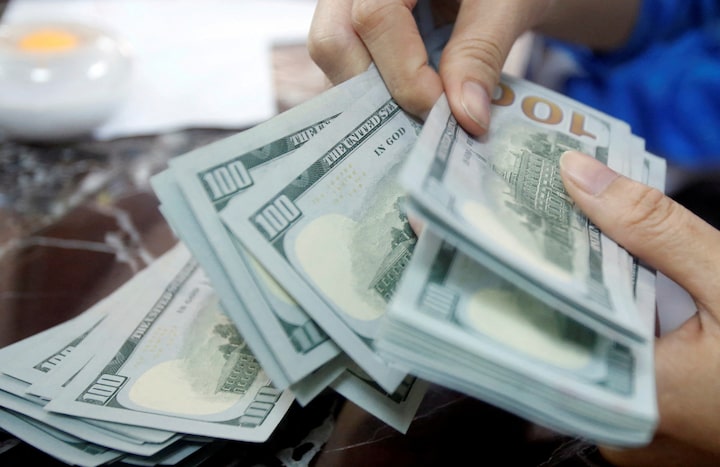
The U.S. dollar’s rebound following the start of the U.S.-Israel conflict with Iran is unlikely to last.
Although the dollar has gained about 1.5% since Monday, helped by rising oil prices and investors covering short positions, analysts broadly expect the currency to weaken again later this year. Most still anticipate two Federal Reserve interest rate cuts before year-end, News.Az reports, citing Reuters.
Traders have been positioned against the dollar since December, with the currency down roughly 12% against a basket of peers since the start of 2025. While futures markets no longer price in a June Fed rate cut, they still reflect expectations for easing later in 2026.
RECOMMENDED STORIES
Poll medians from 60 analysts show the euro rising to $1.18 by the end of March, climbing further to $1.20 within six months. Strategists say the dollar’s recent rally does not resemble a traditional “flight to safety,” noting that U.S. Treasuries have underperformed and gold prices have slipped despite ongoing geopolitical risk.
Brent crude has jumped nearly 15% since Friday on supply concerns and is up around 37% this year, weighing heavily on emerging market currencies — particularly in Asia and Latin America. Higher oil prices and rising bond yields have intensified pressure on risk-sensitive assets.
Analysts remain divided over the dollar’s longer-term direction, citing uncertainty around U.S. economic growth, labour market trends, tariffs and the Federal Reserve’s leadership outlook.
With volatility high and positioning still cautious, currency markets are expected to remain choppy in the months ahead.
By Aysel Mammadzada


Similar news