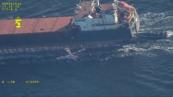
According to estimates by commodities analytics firm Kpler, the strait normally carries around $1.2 billion worth of crude oil, refined products and liquefied natural gas each day, based on average prices and shipping volumes recorded in 2025, News.Az reports, citing the Financial Times.
Since the conflict escalated on February 28, traffic through the vital shipping corridor has largely stopped. Iran has attacked vessels in the area while soaring insurance premiums have discouraged shipping, effectively halting most cargo movements.
The disruption highlights the financial impact of the conflict on Gulf states that rely heavily on energy exports to fund government spending. According to Kpler analyst Florian Gruenberger, the waterway is now experiencing only “negligible” flows compared with prewar levels.
Crude oil shipments account for the largest share of the stalled cargo, representing about 71% of the total value.
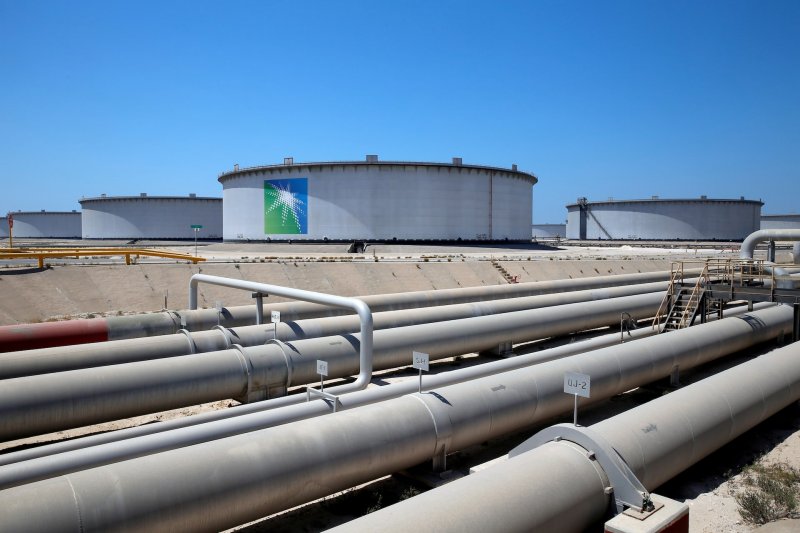
Saudi Arabia, the world’s largest oil exporter, has suffered the biggest losses, missing out on an estimated $4.5 billion in revenue since the conflict began, according to analysis by Wood Mackenzie. The kingdom is now preparing to increase exports via the Red Sea in an effort to offset some of the disruption.
Iraq is also particularly vulnerable, as oil production accounts for roughly 90% of its government revenue, said Peter Martin. He added that Kuwait and Qatar are also heavily exposed, although both countries have large sovereign wealth funds that can cushion the short-term economic impact.
Kpler estimates that about $10.7 billion worth of crude oil, refined products and LNG cargoes remain stranded in the Strait of Hormuz, already loaded onto vessels but unable to reach their destinations. Some shipments were sold under long-term contracts before the conflict, meaning revenues may still be realized depending on payment schedules, which typically occur 15 to 30 days after loading.
Analysts say the economic impact will vary between producers. Antoine Halff, co-founder of satellite analytics company Kayrros, said Saudi Arabia may be better positioned to manage the disruption than Iraq. The kingdom holds oil reserves in overseas storage and may continue supplying customers for some time while also benefiting from higher oil prices that could partially offset export losses.
However, Halff noted that the ultimate financial burden of rising energy costs is likely to fall on motorists and other consumers worldwide.
State-backed Saudi Aramco has said it could redirect up to 70% of crude shipments from eastern oil fields to the Red Sea through its east-west pipeline, though analysts caution the system has never operated at that level of capacity.
Wood Mackenzie estimates that Gulf producers — including Saudi Arabia, Iraq, the United Arab Emirates, Kuwait and Bahrain — have collectively deferred about $13.3 billion in oil sales and tax revenues.
Meanwhile, QatarEnergy has lost around $571 million in revenue after halting production on March 2, excluding potential losses from delays to planned expansions or new energy projects.