US government shutdown hits 36 days, longest in history


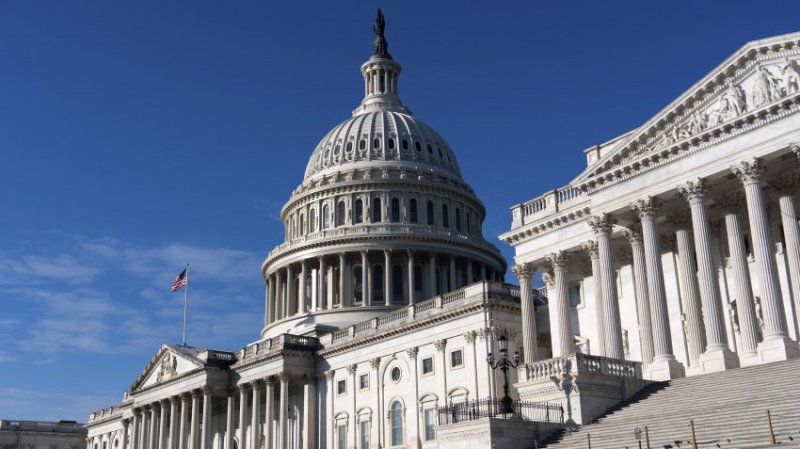
The US government shutdown entered its 36th day on Wednesday, becoming the longest in American history, with no resolution in sight as Republican and Democratic senators remain deadlocked over funding legislation for shuttered federal departments, News.Az reports, citing foreign media.
The shutdown surpasses the previous 35-day record set in December 2018 and January 2019 during Donald Trump’s first term, when funding was delayed over disputes concerning money for a border wall with Mexico.
This latest standoff began on October 1, after Democratic senators refused to approve a government funding bill unless it included an extension of Joe Biden-era tax credits that lower costs for health insurance purchased through Affordable Care Act (ACA) exchanges. Without the extension, tens of millions of Americans could lose access to affordable coverage when the credits expire at the end of 2025.
The Republican-controlled House of Representatives had in September passed the funding bill with only a single Democrat voting in favor, and speaker Mike Johnson has kept the chamber out of session ever since. That has shifted much of the legislative action to the Senate, where John Thune, the majority leader, has held 14 votes on the legislation – all of which failed due to insufficient Democratic support.
The nonpartisan congressional budget office predicts the shutdown will cost the economy as much as $14bn in GDP, depending on how much longer it continues.
The troubling milestones have piled up as the weeks have stretched on. Around 700,000 federal workers were furloughed when the government closed, while about the same amount was told to continue working, without receiving paychecks until new funding is authorized.
Donald Trump has largely been disengaged from negotiations, holding a single meeting with top Democrats and Republicans in Congress on the eve of the shutdown that failed to broker a compromise to prevent the lapse in appropriations. Lately, he has called for Republican senators to end the filibuster, which requires most legislation receive 60 votes to advance. Thune has said his lawmakers do not support making that change.
In mid-October, Trump announced that he would order that US military personnel be paid their regular salaries using unspent Pentagon research and development funds – a decision that experts told the Guardian was likely illegal.
Food banks nationwide have meanwhile reported increased need from federal workers who are not getting paid. That was expected to spread to the wider public, after the Department of Agriculture announced that it had run out of funding for the Supplemental Nutrition Assistance Program (Snap), also known as food stamps, then said it would only pay out half of the normal benefit.
Republicans have accused Democrats of irresponsibly shutting down the government by refusing to back the funding bill, which would have kept the government open through 21 November as a stopgap, while Congress voted on long-term funding measures.
But the minority party has insisted that the responsibility for compromise lies with Republicans, who control both houses of Congress, but will need at least eight Democratic votes to get the spending legislation through the Senate. Only three Democrats have voted for the current funding bill in the upper chamber, while Rand Paul, a Republican senator, has voted against it.
Democrats also say that the GOP must address the increase in premiums for plans under the ACA, which are expected to jump by an average of 26% if the tax credits are allowed to expire, according to the Kaiser Family Foundation. Open enrollment for those plans began at the start of November.


Similar news