America’s shutdown is a battle of power, not policy


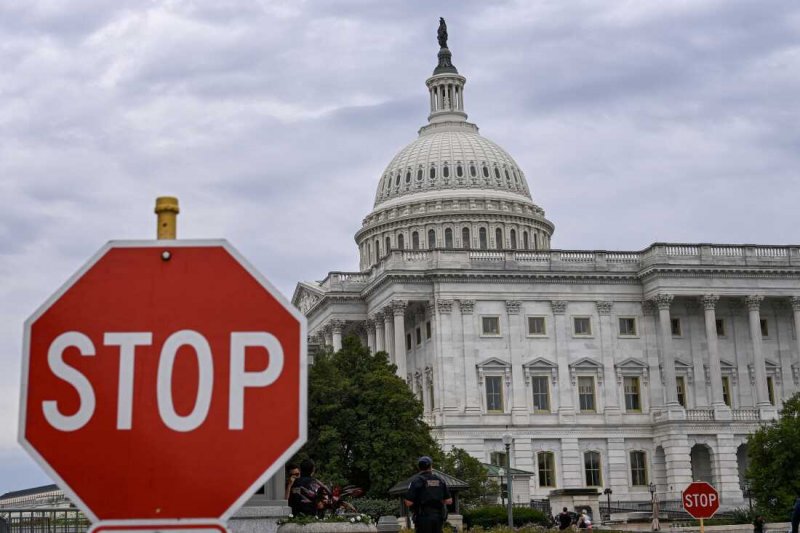
The United States has once again plunged into a government shutdown, and this latest crisis lays bare not only the dysfunction of Washington but also the cynical games both parties are playing with the livelihoods of ordinary Americans.
The Senate failed to pass either of two spending bills, and as of October 1, a shutdown became reality. Democrats blocked the Republican proposal; Republicans rejected the Democratic version. Neither side compromised, and as a result, hundreds of thousands of federal employees now find themselves on indefinite unpaid leave, while federal institutions grind to a halt.
This impasse was entirely predictable. Republicans hold majorities in both chambers of Congress, but in the Senate they lack the 60 votes required to push through a spending bill. Democrats, though in the minority, had just enough votes to prevent the Republican plan from advancing. The result was deadlock — and the spectacle of the world’s most powerful democracy unable to fund its own government.
The consequences are immediate. From midnight, hundreds of thousands of civil servants stopped working. Federal structures closed their doors. The White House Office of Management and Budget confirmed the shutdown, releasing a memorandum that not only blamed the Democrats but suggested the standoff could last indefinitely: “How long the Democrats will maintain this untenable position is unclear, and therefore it is difficult to predict the duration of the shutdown.”
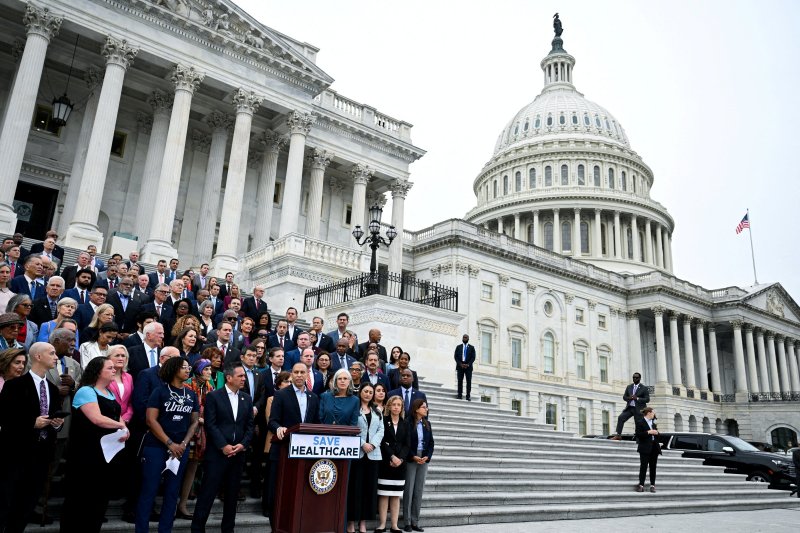 Photo: Reuters
Republicans, for their part, insist they can still turn the tide by luring a few Democrats over to their side. They argue that the shutdown serves no one’s interests, not even the Democrats', and hope that “common sense” will eventually prevail. But this optimism is as much political theater as it is strategy.
Democrats, meanwhile, have framed the fight as one over healthcare and the very role of government. They have long criticized Trump’s reductions in federal spending, claiming the cuts threaten access to medical care and undermine crucial institutions such as the Centers for Disease Control and Prevention (CDC) and the National Institutes of Health (NIH). They are determined to block reductions and extend health insurance benefits.
For Trump, none of this is new. His administration already presided over the longest government shutdown in U.S. history, in 2018–2019, when the standoff over funding a wall on the Mexican border dragged on for 35 days. This time, the president even convened both parties in search of a compromise, but the meeting yielded nothing. A shutdown became inevitable.
What makes this round different is the sheer unwillingness of either side to yield. Analysts note that Democrats see political gain in defending social programs, while Republicans hope voters will punish their rivals for the paralysis. Each side believes time is on its side. But time is not on the side of ordinary Americans.
Administration officials have even hinted that the shutdown could be used to identify “unnecessary workers” who can be cut from the federal payroll. To call such remarks “half a joke” is to miss the point. The Trump administration has made no secret of its desire to slash both spending and the size of the federal workforce. For many government employees, the threat is all too real.
The cost is immense. The Congressional Budget Office estimates that the forced furlough of 750,000 federal workers costs roughly $400 million a day. Over the past 40 years, the U.S. has endured around ten shutdowns, some say closer to twenty. The longest was under Trump; the second-longest, lasting 21 days, occurred under Bill Clinton in 1995. In other words, this dysfunction is no anomaly. It has become a recurring feature of American governance.
For now, the impact on the average American may ap, pear limited. Federal employees deemed critical — soldiers, law enforcement officers, healthcare workers, border guards, transport workers, firefighters, rescue crews — will continue to work without pay. But many social programs face disruption. The Special Supplemental Nutrition Program for Women, Infants, and Children (WIC) could be suspended. Hospitals, clinics, federal education programs, student support services, museums, and libraries will suffer. Hiring is frozen, and social benefit payments may be delayed.
Some agencies funded through fees or previously allocated budgets, such as NASA, can maintain limited operations. Courts and immigration services will keep functioning only so long as their reserves of fines and service fees hold out. The cracks are already showing.
Predictions about the duration of this crisis vary. Republican Senator Ted Cruz told Fox News the shutdown could drag on for weeks, blaming Democrats for opposing Trump’s policies outright. CNN analysts counter that Democrats will not give up such a potent source of leverage against both Congress and the president.
Markets are watching nervously. By Wednesday morning, the dollar had fallen against other major currencies. Global investors see not only a fiscal standoff but also a troubling sign that American politics has become incapable of compromise.
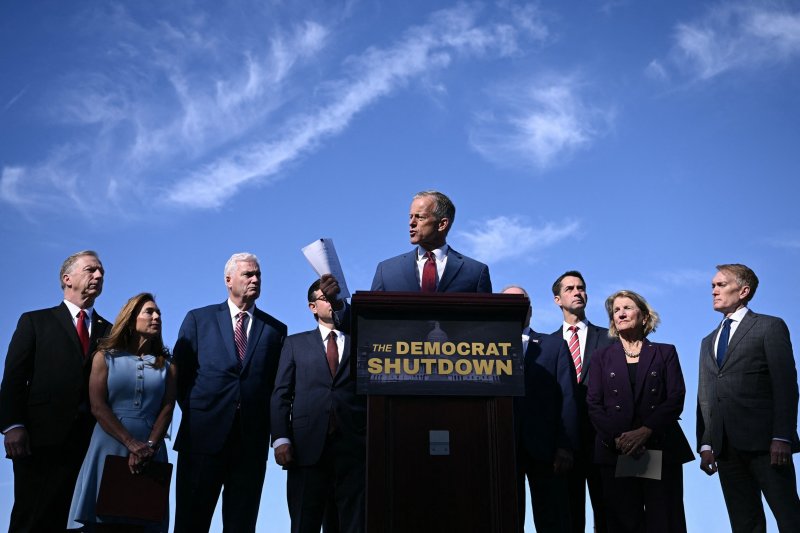 Photo: ABC News
Behind the headlines, thousands of public servants worry about their futures. According to RFI, the White House has already warned agencies of cuts to programs “without alternative funding sources and not aligned with the president’s priorities.” Media reports suggest that Democratic-leaning initiatives will be first on the chopping block. In effect, the shutdown becomes not just a budgetary impasse but also a political purge.
And so we come to the deeper truth: this shutdown is not about balancing books. It is about power. It is about whether Democrats can use healthcare as a rallying cry, whether Republicans can brand them as irresponsible obstructionists, and whether Trump can reshape the federal workforce in his own image.
For ordinary Americans, the outcome is uncertain. What is certain is that Washington’s endless brinkmanship is turning governance into spectacle. Each shutdown chips away at the credibility of U.S. institutions, both at home and abroad. Until leaders on both sides rediscover the meaning of compromise, the world’s largest economy will remain vulnerable not just to budgetary crises, but to its own political dysfunction.
By Tural Heybatov


Similar news