US slows AI chip exports to Middle East


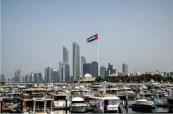
The United States is reportedly slowing down artificial intelligence chip exports to Middle Eastern countries, including Saudi Arabia, where a state-linked fund announced it was investing in a Chinese rival to US company OpenAI, News.Az reports citing Bloomberg.
Bloomberg reported, citing sources familiar with the matter, that US officials have slowed the issuing of licenses for AI accelerator shipments from chipmakers such as Nvidia Corp and Advanced Micro Device Inc. to the Middle East while the Biden administration conducts a national security review of AI development in the region. AI accelerators are data centers that process information needed to develop artificial intelligence chatbots and other tools. They are imperative for businesses and governments looking to build a digital infrastructure.China and the United States have been battling to become the world's technology leader. Last year, Washington has been restricting imports of critical components for AI systems to certain countries, including some undisclosed ones in the Middle East, that use products from both of the world’s tech powerhouses. They include microchips made by California-based Nvidia and Advanced Micro Device Inc. used to train AI models. Also in 2023, the US government imposed limits on American investments in China.
Although Chinese relations with the United States and Europe have cooled, Beijing has been developing ties with several Gulf leaders in AI, including Saudi Arabia and the United Arab Emirates. On Thursday the Financial Times reported that a Saudi fund had invested in Zhipu AI, China’s answer to OpenAI’s ChatGPT chatbot.
Prosperity7, part of Saudi state-owned oil company Aramco’s venture capital arm, participated in a $400 million investment in the Chinese group, the newspaper reported, citing two sources familiar with the matter.
The deal values Zhipu AI at around $3 billion and Prosperity7 was a minority investor in the round, according to the sources.
It marks the first significant foreign investment in one of China’s leading four generative AI start-ups, which include Zhipu AI, Moonshot AI, MiniMax and 01.ai. Although foreign investors such as Softbank and Tiger Global have previously invested in Chinese surveillance AI, they have not invested in generative AI.
Speaking about the investment, a person close to the Prosperity7 told the Financial Times, “The Saudis don’t want Silicon Valley dominating this industry.”
Prosperity7’s parent company Aramco has heavily invested into China, especially in the realm of petrochemicals. China is also Aramco's largest customer and the top importer of Saudi Arabia’s crude oil.


Similar news