Artemis II: Poised to break Apollo 13’s 56-year distance record


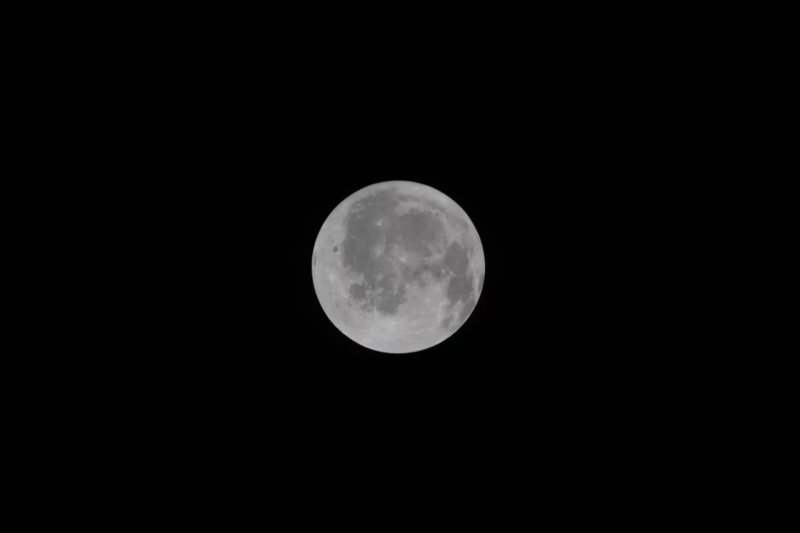
Artemis II is set to break Apollo 13’s deep-space distance record this Monday during a historic lunar flyby.
The Artemis II astronauts are already the champions of a fresh new era of lunar exploration. Now it’s time to set a new distance record, News.Az reports, citing Associated Press
Launched last week on humanity’s first trip to the moon since 1972, the three Americans and one Canadian are chasing after Apollo 13’s maximum range from Earth. That will make them our planet’s farthest emissaries as they swing around the moon without stopping on Monday and then hightail it back home.
RECOMMENDED STORIES
Their roughly six-hour lunar flyby promises views of the moon’s far side that were too dark or too difficult to see by the 24 Apollo astronauts who preceded them. A total solar eclipse also awaits them as the moon blocks the sun, exposing snippets of shimmering corona.
“We’ll get eyes on the moon, kind of map it out and then continue to go back in force,” said flight director Judd Frieling. The goal is a moon base replete with landers, rovers, drones and habitats.
A look at Artemis II’s up-close and personal brush with another world — our constant companion, the moon.
The Artemis II astronauts are already the champions of a fresh new era of lunar exploration. Now it’s time to set a new distance record.
Launched last week on humanity’s first trip to the moon since 1972, the three Americans and one Canadian are chasing after Apollo 13’s maximum range from Earth. That will make them our planet’s farthest emissaries as they swing around the moon without stopping on Monday and then hightail it back home.
Their roughly six-hour lunar flyby promises views of the moon’s far side that were too dark or too difficult to see by the 24 Apollo astronauts who preceded them. A total solar eclipse also awaits them as the moon blocks the sun, exposing snippets of shimmering corona.
“We’ll get eyes on the moon, kind of map it out and then continue to go back in force,” said flight director Judd Frieling. The goal is a moon base replete with landers, rovers, drones and habitats.
A look at Artemis II’s up-close and personal brush with another world — our constant companion, the moon.
The Artemis II astronauts are already the champions of a fresh new era of lunar exploration. Now it’s time to set a new distance record.
Launched last week on humanity’s first trip to the moon since 1972, the three Americans and one Canadian are chasing after Apollo 13’s maximum range from Earth. That will make them our planet’s farthest emissaries as they swing around the moon without stopping on Monday and then hightail it back home.
Their roughly six-hour lunar flyby promises views of the moon’s far side that were too dark or too difficult to see by the 24 Apollo astronauts who preceded them. A total solar eclipse also awaits them as the moon blocks the sun, exposing snippets of shimmering corona.
“We’ll get eyes on the moon, kind of map it out and then continue to go back in force,” said flight director Judd Frieling. The goal is a moon base replete with landers, rovers, drones and habitats.
A look at Artemis II’s up-close and personal brush with another world — our constant companion, the moon.
By Leyla Şirinova


Similar news