Walmart to raise prices due to tariffs despite strong Q1 sales


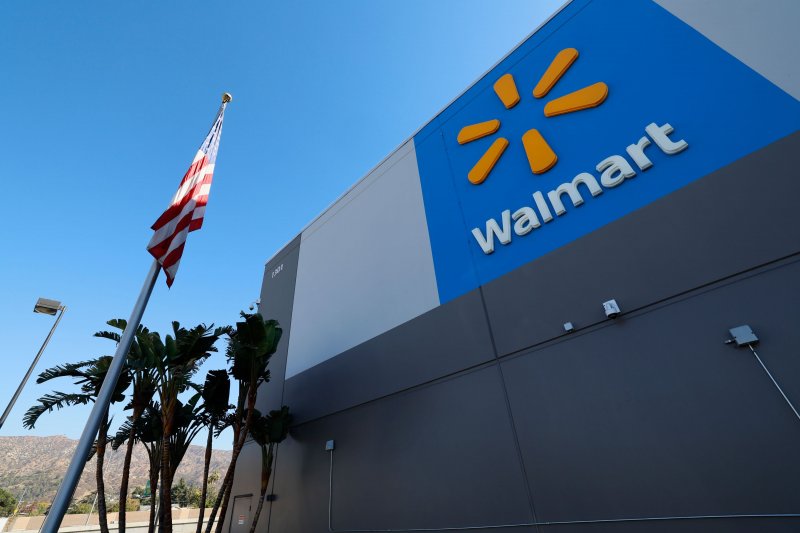
Walmart announced on Thursday that it will begin raising prices later this month in response to elevated tariff costs, marking a strategic shift even as the company reported stronger-than-expected U.S. comparable sales for the first quarter.
Shares of the Bentonville, Arkansas company rose 3.5% in pre-market trading. Its stock is up more than 60% over the past year, News.Az reports, citing Reuters.
Walmart became the latest to avoid giving second-quarter profit guidance on Thursday due to the uncertainty around Donald Trump's tariffs that have roiled world trade.
U.S. shoppers will start to see prices rise at the end of May and certainly in June, Walmart's Chief Financial Officer John David Rainey said in a CNBC interview.
"We will do our best to keep our prices as low as possible but given the magnitude of the tariffs, even at the reduced levels announced this week, we aren't able to absorb all the pressure given the reality of narrow retail margins," CEO Doug McMillon said.
The retailer, however, kept its annual sales and profit forecast intact for fiscal 2026. It continues to expect adjusted earnings per share for the fiscal year ending January 2026 in the range of $2.50 to $2.60 and annual sales to rise between 3% and 4%.
Walmart is a bellwether of U.S. consumer health. Its results offer clues on how the industry is navigating the economic volatility wrought by the on-and-off tariffs on several countries, including China.
Same-store sales in the first quarter grew by 4.5%, driven by increases in both transactions and unit volumes, the company said. Transactions rose 1.6%, while the average spend at the till rose 2.8%, with shoppers reaching for more dairy and pantry products, fresh food and personal care items.
Analysts, on average, were expecting a 3.94% increase in U.S. same-store sales, according to data compiled by LSEG. Net sales rose 2.5% to $165.6 billion, a hair shy of estimates.
U.S. e-commerce sales rose 21%, while globally they rose 22%. This was the first time Walmart's eCommerce business achieved a full quarter of profitability, the company said.
The retailer reported quarterly adjusted profit of 61 cents per share. Analysts, on average, were expecting 58 cents per share.
This week, the U.S. and China reached a trade deal for 90 days that resulted in the countries slashing the tariffs imposed on each other, which was widely cheered by investors and businesses.
Many U.S. companies in the wake of the trade war have either slashed or pulled their full-year expectations, a more cautious approach as consumers stretch their budgets even to buy everything from groceries to essentials at cheaper prices.
U.S. consumer sentiment had ebbed for a fourth straight month in April, signaling watchful purchasing while the country's GDP contracted for the first time in three years during the first quarter fanning worries of a recession.
Walmart is known for its everyday low price strategy for regular use essentials and groceries, which has given the retailer an edge over competitors but at thin margins.
It expects second-quarter consolidated net sales to rise between 3.5% and 4.5%, compared to expectations of 3.46% growth.
As the range of near-term outcomes widens and becomes hard to predict, the company is withholding second-quarter operating income growth and earnings per share forecasts, CFO Rainey said in a statement.
"With a longer view into the full year, we believe we can navigate well and achieve our full year guidance," he added.


Similar news