What is Spring Storm 2026 and why are over 20 countries taking part in the Estonia drills


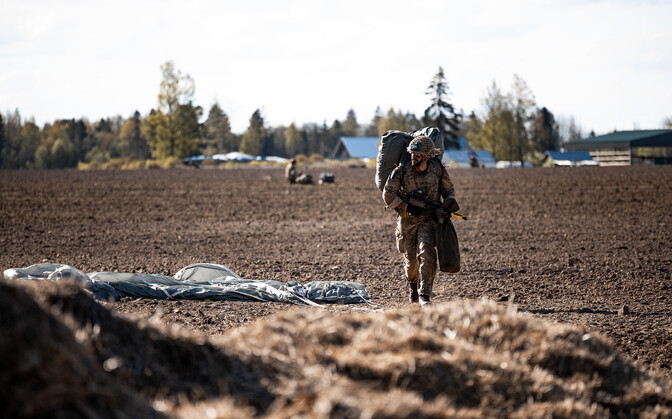
Spring Storm 2026 has officially begun in Estonia, bringing together troops from more than 20 countries in one of the largest multinational military exercises in the Baltic region.
Organized annually, this large scale drill is designed to test combat readiness, strengthen coordination among allied forces, and enhance regional security at a time of heightened geopolitical focus on Eastern Europe.
RECOMMENDED STORIES
Below is a comprehensive FAQ explainer breaking down everything you need to know about the exercise, its purpose, participants, and broader implications.
What is Spring Storm 2026
Spring Storm 2026 is the latest edition of a major annual military exercise hosted by Estonia. Known locally as one of the country’s most important defense events, the drill is led by the Estonian Defence Forces and involves both domestic troops and international partners.
The exercise simulates real world combat scenarios, allowing soldiers to train under conditions that closely resemble potential operational environments. It is designed not only to test military capabilities but also to improve coordination between different units and countries.
Why is Spring Storm considered important
Spring Storm is a cornerstone of Estonia’s national defense strategy and a key part of regional security planning. It demonstrates the country’s readiness to defend itself while also reinforcing cooperation with allies.
The exercise also serves as a visible signal of unity among participating nations, particularly within NATO. By training together, allied forces strengthen their ability to respond quickly and effectively to any potential threat.
Which countries are participating in the drills
More than 20 countries are taking part in Spring Storm 2026. While the full list may vary each year, participants typically include NATO member states as well as partner nations.
Countries such as United States, United Kingdom, Germany, France, and regional neighbors like Latvia and Lithuania are often involved, alongside other allied and partner nations.
This broad participation highlights the international dimension of the exercise and its role in strengthening collective defense.
What are the main goals of Spring Storm 2026
The exercise has several key objectives. One of the primary goals is to improve interoperability, which refers to the ability of forces from different countries to work together effectively.
Another important goal is to test combat readiness. This includes evaluating how quickly and efficiently troops can mobilize, coordinate, and respond to simulated threats.
Spring Storm also aims to enhance command and control systems, logistics coordination, and the integration of modern technologies into military operations.
What kind of military activities are included
Spring Storm 2026 includes a wide range of activities designed to simulate real combat situations. These typically involve live fire exercises, tactical maneuvers, urban warfare simulations, and defensive as well as offensive operations.
Troops also train in logistics and supply chain management, which are critical for sustaining military operations. Command units practice decision making under pressure, ensuring that leadership structures function effectively during complex scenarios.
Where are the exercises taking place
The drills are being conducted across multiple training areas in Estonia. These locations are chosen to provide diverse terrain and realistic conditions for military operations.
The use of different environments allows participating forces to train in various scenarios, from forested areas to urban settings, ensuring a comprehensive training experience.
How long will Spring Storm 2026 last
The exercise is scheduled to run for several weeks. This extended duration allows for multiple phases of training, including preparation, active operations, and evaluation.
Each phase is designed to test different aspects of military readiness and cooperation, providing valuable insights for participating forces.
How does Spring Storm benefit Estonia
For Estonia, hosting Spring Storm provides an opportunity to strengthen its national defense capabilities and demonstrate its commitment to regional security.
The exercise also enhances the country’s ability to work with international partners, ensuring that its forces are well integrated into broader defense frameworks.
Additionally, it reinforces Estonia’s strategic importance within NATO and highlights its role as a key contributor to collective defense efforts.
What does this mean for NATO and regional security
Spring Storm plays a significant role in strengthening NATO’s presence and readiness in the Baltic region. By bringing together forces from multiple countries, the exercise reinforces the principle of collective defense.
It also sends a clear message of unity and preparedness, which can act as a deterrent to potential threats. The ability to conduct large scale joint exercises demonstrates that allied forces are capable of operating effectively together.
Are civilians affected by the drills
Large military exercises can have some impact on local communities, particularly in terms of increased military movement, noise, and temporary restrictions in certain areas.
However, organizers work closely with civilian authorities to minimize disruption. Measures are typically put in place to manage traffic, ensure safety, and communicate with residents about the exercise schedule.
How does Spring Storm compare to other military exercises
Spring Storm is one of the largest military exercises in the Baltic region, but it is part of a broader network of NATO and partner drills conducted throughout the year.
What sets it apart is its scale within Estonia and its focus on integrating both national and international forces into a single coordinated operation.
What role do modern technologies play in the exercise
Modern military operations increasingly rely on advanced technologies, and Spring Storm 2026 reflects this trend. The exercise includes the use of digital communication systems, surveillance tools, and other technologies that enhance situational awareness.
Training with these tools ensures that forces are prepared to operate in modern combat environments, where technology plays a crucial role.
Why is the timing of the exercise significant
The timing of Spring Storm 2026 is particularly relevant given the current security environment in Eastern Europe. Countries in the region are placing greater emphasis on defense preparedness and cooperation.
Holding the exercise now allows participating nations to reinforce their readiness and demonstrate their commitment to maintaining stability and security.
What can we expect after the exercise concludes
Once Spring Storm 2026 concludes, participating forces will conduct evaluations to assess performance and identify areas for improvement.
These insights will be used to refine training programs, enhance coordination, and prepare for future exercises. The lessons learned will also contribute to broader defense planning and strategy.
Why does Spring Storm 2026 matter globally
While the exercise is focused on regional security, its implications extend beyond Estonia and the Baltic region. It reflects broader trends in international defense cooperation and the importance of readiness in a rapidly changing global environment.
By bringing together a diverse group of countries, Spring Storm 2026 highlights the value of collaboration in addressing shared security challenges. It underscores the role of joint training in building trust, improving capabilities, and maintaining stability on a global scale.
By Faig Mahmudov


Similar news