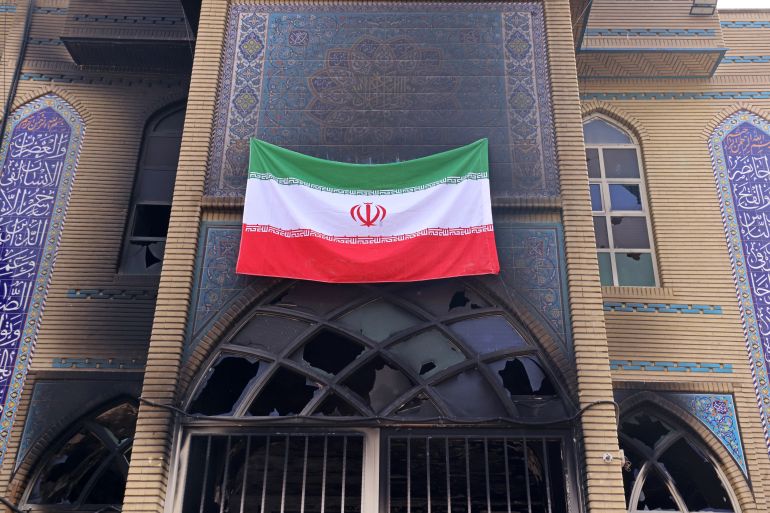
As of May 2, 2026, the conflict involves rising tensions between Iran and a coalition led by the United States and Israel. Reports indicate that military exchanges have intensified in recent weeks, including airstrikes, naval deployments, and cyber operations. At the same time, diplomatic signals suggest that a ceasefire could be under discussion, creating a complex picture of both escalation and de escalation.
The intensity of developments has driven this story to the top of global readership charts. The possibility of a wider regional war, combined with the uncertainty of a potential ceasefire, has made this issue central to global politics, economics, and security debates.
Why has this conflict become the most read global news story?
The Iran conflict has captured global attention because it intersects with multiple high impact issues. First, it involves major global powers, including the United States and key allies in the Middle East. Second, the region itself is critical for global energy supply, particularly oil and gas exports. Third, any escalation risks drawing in additional countries, potentially transforming a regional conflict into a broader international crisis.
Readers are particularly drawn to this story because of its immediate consequences. Oil prices have surged, financial markets have shown volatility, and governments worldwide are reassessing their security and economic strategies. The combination of military developments and economic impact makes this one of the most consequential news events of the year.
What triggered the latest escalation?
The current phase of escalation did not emerge suddenly. It is the result of a gradual deterioration of relations over several years. Key triggers include disputes over Iran’s nuclear program, regional influence in countries such as Syria and Lebanon, and ongoing tensions with Israel. Recent intelligence reports and military actions have heightened suspicions and led to a cycle of retaliation.
In the weeks leading up to May 2026, several incidents intensified the situation. These include targeted strikes, naval confrontations in strategic waterways, and cyberattacks on infrastructure. Each of these events contributed to a sense that the conflict was entering a more dangerous phase.
What role does the United States play in this conflict?
The United States is a central actor in the unfolding situation. It has deployed military assets to the region, including naval forces and air defense systems, as part of its commitment to regional allies. Washington has also been involved in diplomatic efforts aimed at preventing further escalation.
At the same time, the United States faces a delicate balancing act. On one hand, it seeks to deter Iranian actions and support its allies. On the other hand, it must avoid triggering a full scale war that could have unpredictable consequences. This dual approach has led to a mix of military readiness and diplomatic outreach.
How is Israel involved in the situation?
Israel is one of the most directly affected countries in this conflict. It has long viewed Iran as a major security threat, particularly due to concerns about nuclear capabilities and regional influence. Israeli forces have reportedly carried out operations targeting Iranian linked positions in the region.
The Israeli government has made clear that it will take necessary measures to protect its security. This stance has contributed to the overall tension, as actions taken by Israel often prompt responses from Iran or its allies. The interplay between these actors is a key factor in the ongoing escalation.
What is Iran’s position and strategy?
Iran has consistently maintained that its actions are defensive and aimed at protecting its sovereignty and regional interests. It has criticized what it describes as external interference and has warned against further military actions by its adversaries.
Strategically, Iran relies on a combination of conventional military capabilities and asymmetric tactics. These include the use of proxy groups, cyber operations, and strategic positioning in key areas. This approach allows Iran to exert influence without engaging in direct large scale confrontation.
Is there a real possibility of a ceasefire?
One of the most closely watched aspects of the current situation is the possibility of a ceasefire. Reports suggest that back channel negotiations are taking place, involving not only the primary parties but also international mediators.
A ceasefire would likely involve several conditions, including a halt to military operations, guarantees related to security concerns, and possibly discussions on broader issues such as nuclear activities. However, reaching such an agreement is challenging due to deep mistrust and conflicting objectives.
The uncertainty surrounding these negotiations is one of the main reasons the story remains highly read. Readers are eager to understand whether the situation will stabilize or escalate further.
How is the conflict affecting global oil prices?
The impact on oil prices has been immediate and significant. The Middle East is a key region for global energy supply, and any disruption can have far reaching consequences. As tensions have increased, oil prices have surged, reflecting concerns about potential supply interruptions.
Shipping routes such as the Strait of Hormuz are particularly important. A large percentage of the world’s oil passes through this narrow waterway. Any threats to its security can lead to sharp price increases and affect economies worldwide.
Higher oil prices translate into increased costs for transportation, manufacturing, and consumer goods. This ripple effect is one of the reasons why the conflict is being closely monitored by governments and businesses alike.
What are the economic consequences beyond oil?
In addition to energy markets, the conflict is affecting global financial systems. Stock markets have shown increased volatility, with investors reacting to each new development. Currencies in emerging markets have experienced fluctuations, and central banks are facing new challenges in managing inflation.
Trade routes are also at risk. Disruptions in the Middle East can affect shipping lanes, leading to delays and increased costs. This, in turn, impacts global supply chains, which are still recovering from previous disruptions.
The broader economic impact highlights why this story resonates with a wide audience. It is not only about geopolitics but also about everyday economic realities.
How are regional countries responding?
Countries in the Middle East are responding in different ways, depending on their strategic interests. Some are strengthening their defenses and increasing military readiness. Others are calling for de escalation and offering to mediate.
Gulf countries, in particular, are closely watching the situation due to their proximity and economic dependence on energy exports. Any escalation could directly affect their security and economic stability.
Regional organizations and alliances are also playing a role, although their ability to influence the situation remains limited.
What is the role of international organizations?
International organizations such as the United Nations are actively engaged in monitoring the situation and promoting dialogue. Calls for restraint and diplomatic solutions have been issued, emphasizing the need to avoid further escalation.
However, the effectiveness of these efforts depends on the willingness of the involved parties to engage constructively. In many cases, geopolitical interests and rivalries complicate the work of international mediators.
How are global powers like China and Russia reacting?
China and Russia are important stakeholders in the situation, both politically and economically. China has emphasized the importance of stability, particularly due to its energy needs and trade interests. Russia, meanwhile, has called for diplomatic solutions while maintaining its own strategic relationships in the region.
The positions of these global powers add another layer of complexity to the conflict. Their involvement can influence the direction of negotiations and the overall balance of power.
What are the humanitarian implications?
While much of the focus is on military and economic aspects, the humanitarian impact should not be overlooked. Escalation could lead to displacement of populations, damage to infrastructure, and increased civilian suffering.
Humanitarian organizations are preparing for potential crises, including the need for emergency assistance and medical support. The situation remains fluid, and the extent of humanitarian impact will depend on how the conflict evolves.
Why is uncertainty a key factor in this story?
Uncertainty is perhaps the most defining feature of the current situation. Conflicting reports, rapidly changing developments, and the lack of clear outcomes make it difficult to predict what will happen next.
This uncertainty drives readership, as people seek reliable information and analysis. Each new update has the potential to significantly alter the trajectory of the conflict.
What are the possible scenarios going forward?
There are several possible scenarios. One is a successful ceasefire that leads to a period of stability and renewed diplomatic efforts. Another is a continuation of low intensity conflict, with sporadic clashes and ongoing tension. The most concerning scenario is a full scale war involving multiple countries.
Each scenario has different implications for global security and the economy. Policymakers and analysts are closely monitoring developments to assess the likelihood of each outcome.
How are ordinary people affected globally?
The impact of the conflict extends far beyond the region. Rising fuel prices affect transportation costs, which in turn influence the prices of goods and services. Economic uncertainty can impact employment and investment.
For many people, the conflict is not just a distant geopolitical issue but a factor that influences daily life. This connection helps explain why the story has such a high level of global engagement.
What should readers watch in the coming days?
Key developments to watch include any official announcements regarding a ceasefire, changes in military activity, and shifts in diplomatic positions. Economic indicators, particularly oil prices and market reactions, will also provide important signals.
Statements from major actors, including the United States, Iran, and regional countries, will be closely analyzed for clues about the direction of the conflict. At the same time, reports from international organizations can offer insights into humanitarian and diplomatic efforts.
Why does this story matter in the long term?
The Iran conflict is not just a short term crisis. It has long term implications for regional stability, global energy markets, and international relations. The outcome of this situation could shape geopolitical dynamics for years to come.
Understanding the complexities of the conflict is essential for anyone seeking to grasp the broader trends in global affairs. As the most read news story on May 2, 2026, it reflects the interconnected nature of today’s world, where regional events can have global consequences.
Conclusion
The Iran war and ceasefire uncertainty stand at the center of global attention, combining elements of military conflict, economic impact, and diplomatic complexity. The high level of readership reflects both the seriousness of the situation and the widespread interest in its outcome.
As developments continue to unfold, the world watches closely, aware that the decisions made in the coming days and weeks could have far reaching effects.