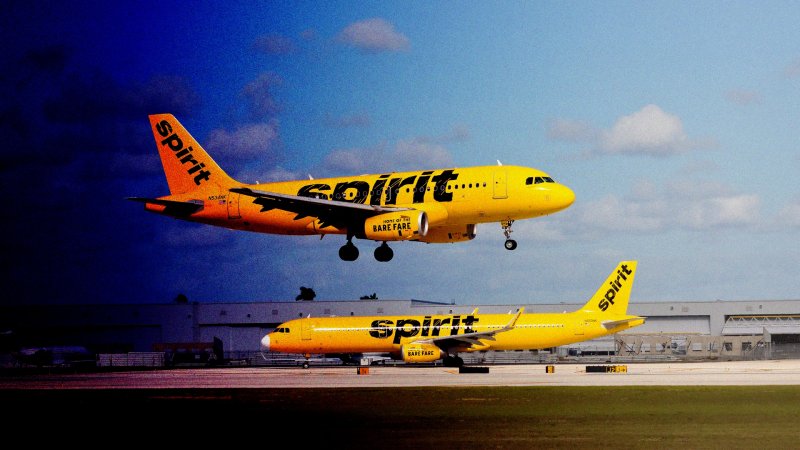
After more than three decades of operations, the airline has ceased activities, sending shockwaves across the global aviation sector.
The collapse is not just an isolated corporate failure. It reflects deeper structural challenges within the aviation industry, including rising fuel costs, mounting operational expenses, and increasing financial pressure on budget airlines. As a result, this story has quickly become one of the most read topics across global news agencies.
Why is the collapse of Spirit Airlines such a significant event?
The shutdown of Spirit Airlines is significant because it highlights vulnerabilities in the low cost airline model. For years, budget carriers have relied on thin profit margins, high passenger volumes, and aggressive pricing strategies.
However, recent economic conditions have disrupted this model. Rising fuel prices, driven in part by global geopolitical tensions, have significantly increased operating costs. At the same time, inflation has affected consumer spending, reducing demand for travel in some markets.
The collapse of a well known airline signals that even established players are not immune to these pressures.
What caused Spirit Airlines to shut down?
Several factors contributed to the downfall of Spirit Airlines. One of the primary causes is the sharp increase in fuel costs, which represents a major portion of airline expenses. As oil prices surged, the airline struggled to maintain profitability.
In addition, competition in the aviation sector has intensified. Larger airlines with more diversified revenue streams have been better able to absorb cost increases. Budget carriers, by contrast, often lack the financial flexibility to withstand prolonged economic pressure.
Operational challenges, including staffing issues and maintenance costs, have also played a role. Together, these factors created a situation in which the airline could no longer sustain its operations.
How does this collapse reflect broader economic instability?
The failure of Spirit Airlines is part of a broader pattern of economic stress affecting multiple industries. Rising energy prices, inflation, and geopolitical uncertainty are creating challenging conditions for businesses worldwide.
The aviation sector is particularly sensitive to these factors. Airlines depend heavily on fuel, and their profitability is closely tied to economic cycles. When costs rise and demand weakens, the impact can be severe.
This situation underscores the interconnected nature of the global economy. Events in one sector or region can quickly ripple across industries and borders.
What impact does this have on the aviation industry?
The collapse of a major airline has immediate and long term implications for the aviation industry. In the short term, it reduces capacity, leading to fewer available flights and potentially higher ticket prices.
Other airlines may attempt to fill the gap, but this can take time. In the long term, the event may lead to consolidation within the industry, as stronger carriers acquire assets or expand their market share.
It also raises questions about the sustainability of the low cost model in an environment of rising costs and economic uncertainty.
How are passengers affected by this development?
Passengers are directly impacted by the shutdown of Spirit Airlines. Travelers with existing bookings may face cancellations, delays, or the need to rebook with other airlines, often at higher prices.
The reduction in low cost options could lead to increased fares across the market. Budget airlines have traditionally played a key role in keeping prices competitive. Their decline may reduce pricing pressure on larger carriers.
For many consumers, this means higher travel costs and fewer choices.
What does this mean for airline employees?
The collapse has significant consequences for employees, including pilots, cabin crew, and ground staff. Job losses and uncertainty are immediate concerns, as workers seek new opportunities in a challenging job market.
While some employees may be absorbed by other airlines, the transition is unlikely to be seamless. The situation highlights the human impact of economic instability in the aviation sector.
How are governments and regulators responding?
Authorities in the United States are closely monitoring the situation. Regulators are focusing on ensuring passenger protection, including refunds and assistance for stranded travelers.
There may also be discussions about broader regulatory measures to enhance the resilience of the aviation industry. However, any intervention must balance market dynamics with consumer protection.
What role do fuel prices play in this crisis?
Fuel prices are a central factor in the aviation crisis. Airlines are highly dependent on jet fuel, and even small increases in prices can have a significant impact on profitability.
The recent surge in oil prices, linked to geopolitical tensions in key regions, has placed additional pressure on airlines. For budget carriers, which operate on narrow margins, this can be particularly challenging.
The connection between energy markets and aviation underscores the broader economic implications of the crisis.
How are global airlines adapting to rising costs?
Airlines around the world are adopting various strategies to cope with rising costs. These include increasing ticket prices, reducing flight frequencies, and optimizing routes to improve efficiency.
Some carriers are also investing in more fuel efficient aircraft and exploring alternative fuels. These measures aim to reduce long term costs and enhance sustainability.
However, these adjustments take time, and the immediate impact of rising costs remains significant.
Is this an isolated case or part of a wider trend?
The collapse of Spirit Airlines is not an isolated incident. It reflects broader challenges facing the aviation industry globally. Other airlines, particularly low cost carriers, may face similar pressures if current conditions persist.
The situation could lead to a wave of restructuring, mergers, or closures, reshaping the industry landscape.
What are the implications for global travel?
Global travel may become more expensive and less accessible in the short term. Reduced competition and higher operating costs can lead to increased fares and fewer routes.
This could affect tourism, business travel, and international connectivity. Countries that rely heavily on tourism may feel the impact more acutely.
How does this connect to the wider economic picture?
The aviation crisis is closely linked to broader economic trends, including inflation, energy prices, and geopolitical tensions. It serves as an indicator of underlying economic stress.
As one of the most visible industries, aviation often reflects changes in consumer behavior and economic conditions. Its challenges can provide insights into the health of the global economy.
What are the possible future scenarios for the aviation industry?
Several scenarios are possible. One is a gradual recovery, with airlines adapting to new conditions and stabilizing operations. Another is continued disruption, with additional failures and increased consolidation.
Technological innovation and shifts toward sustainability may also shape the future of aviation. The direction will depend on economic conditions, policy decisions, and industry responses.
Why is this story among the most read globally?
The collapse of Spirit Airlines has captured global attention because it directly affects millions of travelers and reflects broader economic challenges. The combination of immediate impact and long term implications makes it a highly engaging story.
Readers are interested not only in what happened but also in what it means for the future of travel and the global economy.
What should readers watch next?
Key developments to monitor include how other airlines respond, whether additional carriers face financial difficulties, and how governments and regulators address the situation.
Changes in fuel prices and economic conditions will also play a crucial role in shaping the future of the aviation industry.
Conclusion
The collapse of Spirit Airlines and the broader aviation crisis highlight the challenges facing the global economy. As one of the most read stories on May 2, 2026, it underscores the interconnected nature of industries and the impact of economic forces.
The coming months will be critical in determining whether the aviation sector can adapt and recover or whether further disruption lies ahead.