What to do in case of a radiation threat: a simple guide for the public


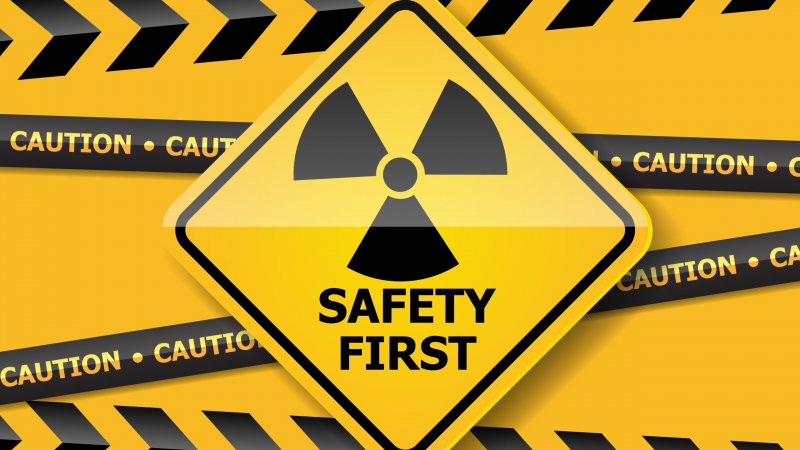
Radiation emergencies are rare, but when they occur they generate fear, confusion, and a flood of misinformation. Nuclear accidents, attacks on nuclear facilities, the use of radioactive materials, or even false alarms can cause panic if people do not understand what radiation is and how to respond. This evergreen guide is designed for the general public and explains, in clear and practical terms, what to do in case of a radiation threat, how to protect yourself and your family, and which common mistakes to avoid.
Understanding what a radiation threat means
A radiation threat does not always mean immediate danger or high exposure. Radiation can be released in different ways and at different levels. Some incidents involve small, localized releases that pose limited risk, while others may require urgent protective actions.
Radiation itself is invisible and odorless. You cannot feel it. That is why official information and instructions from authorities are critical. Panic-driven decisions are often more dangerous than radiation exposure itself.
Typical sources of radiation threats include accidents at nuclear power plants, damage to facilities during armed conflict, the detonation of a radiological device, or transport incidents involving radioactive materials. Each scenario may require different responses, but the basic principles of protection are largely the same.
The three basic principles of radiation protection
All radiation safety guidance is based on three simple principles: time, distance, and shielding.
Time means reducing the amount of time you are exposed. The less time you spend near a radiation source, the lower your dose.
Distance means increasing the space between you and the source. Radiation weakens rapidly with distance.
Shielding means placing dense materials between you and the radiation. Walls, earth, concrete, and even thick layers of building materials can significantly reduce exposure.
Every action you take during a radiation threat should follow these principles.
Stay informed and rely on official sources
In a radiation emergency, information saves lives. Follow official announcements from government agencies, emergency services, and public broadcasters. These sources have access to radiation monitoring data and expert assessments.
Avoid relying on rumors, social media speculation, or unverified messages. False claims about radiation levels, contaminated areas, or miracle protections spread quickly during crises and can lead to harmful decisions.
If authorities issue instructions such as staying indoors, evacuating certain areas, or avoiding specific foods, follow them carefully and without delay.
What to do immediately if a radiation threat is announced
If you are indoors when a radiation threat is reported, stay inside unless authorities explicitly tell you to evacuate. Buildings provide effective shielding, especially against radioactive fallout.
Close all windows and doors. Turn off ventilation systems, air conditioners, and fans that bring air from outside. Seal gaps if possible using tape, towels, or cloths.
Move to the most protected part of the building. Basements or underground levels are best. If there is no basement, choose an interior room with the fewest windows and the thickest walls.
If you are outdoors, seek shelter immediately. Go inside the nearest substantial building. If no building is available, move away from the source if known and seek low ground or cover until you can reach shelter.
Personal hygiene and contamination reduction
If there is a possibility of radioactive dust or particles in the air, reducing contamination on your body is essential.
Once indoors, remove outer clothing as soon as possible. Place it in a plastic bag, seal it, and keep it away from living areas. This simple step can remove a large portion of external contamination.
Shower with warm water and soap if available. Wash gently. Do not scrub hard or use conditioner, as it can bind radioactive particles to hair. If a shower is not available, wash exposed skin with soap and water or use wet wipes.
Change into clean clothing. Keep children and pets away from potentially contaminated items.
Food and water safety
During a radiation emergency, food and water safety becomes a major concern. Do not consume food that may have been exposed to radioactive fallout unless authorities confirm it is safe.
Use sealed bottled water if available. If using tap water, wait for official guidance. In many cases, municipal water supplies remain safe, but this depends on the nature of the incident.
Eat food that was stored in sealed containers or inside refrigerators and cupboards. Avoid fresh produce from open gardens or markets until it has been declared safe.
Do not take iodine tablets unless instructed by authorities
One of the most common mistakes during radiation scares is the unsupervised use of iodine tablets. Iodine prophylaxis is only effective in specific situations involving radioactive iodine, and only when taken at the correct time and dose.
Taking iodine without medical or official advice can cause serious health problems, especially for children, pregnant women, and people with thyroid conditions.
Never self-medicate with iodine or alternative substances claimed to protect against radiation. Follow only official guidance.
Understanding evacuation orders
In some situations, authorities may order an evacuation. This decision is based on radiation measurements, weather conditions, and risk assessments.
If you are told to evacuate, do so promptly and calmly. Take essential items only, such as identification, medications, basic clothing, and communication devices. Do not delay to gather belongings.
Follow designated routes and instructions. Avoid areas marked as restricted or contaminated.
If no evacuation order is issued, do not leave shelter unnecessarily. Spontaneous evacuation can expose you to higher radiation levels and overload emergency systems.
Protecting children, elderly people, and pets
Children and elderly individuals may be more vulnerable to stress and health effects during emergencies. Keep families together and provide reassurance.
Explain the situation to children in simple, calm language. Avoid alarming details. Routine and emotional support are important.
Pets should be brought indoors and kept inside. Wash pets if they were outdoors during potential contamination, using water and mild soap if needed.
Longer-term precautions after the immediate threat
Radiation emergencies may have lasting effects, even after the initial danger has passed. Continue to follow updates from authorities regarding air quality, food safety, and water use.
Do not return to restricted areas until they are officially declared safe. Do not collect items or materials from contaminated zones.
Medical screening may be offered to certain populations. Participate if advised, but do not seek unnecessary tests based on fear alone.
Mental health and managing fear
Fear and anxiety are natural reactions to radiation threats. The invisibility of radiation makes it especially stressful.
Limit exposure to constant news updates and social media speculation. Rely on scheduled briefings and trusted sources.
Talk to family members, friends, and community leaders. Maintaining social connections helps reduce stress.
If anxiety becomes overwhelming or persistent, seek professional mental health support. Psychological well-being is an important part of emergency response.
Common myths and dangerous misconceptions
Many myths surround radiation emergencies. Some people believe that all radiation exposure is immediately fatal, which is false. Others think that simple household remedies can neutralize radiation, which is also false.
Another misconception is that fleeing immediately is always the safest option. In many cases, staying indoors provides far better protection.
Understanding basic facts reduces fear and helps people make rational decisions.
Why preparation matters even when risks are low
Most people will never experience a serious radiation emergency. However, basic preparedness improves safety and confidence.
Knowing where to get official information, understanding sheltering procedures, and having emergency supplies such as water, basic food, and a flashlight can make a significant difference.
Preparation is not about panic. It is about being informed and ready to act calmly if needed.
Conclusion
A radiation threat is a serious situation, but it does not automatically mean disaster. Simple, well-informed actions can dramatically reduce risk and protect lives.
The key principles are clear: stay informed, follow official instructions, seek shelter, reduce contamination, and avoid unnecessary or harmful actions. Panic and misinformation are often greater threats than radiation itself.
By understanding what to do and why it matters, the public can respond to radiation emergencies with confidence, clarity, and resilience.


Similar news