When is iPhone 18 expected to launch? Display size leak!


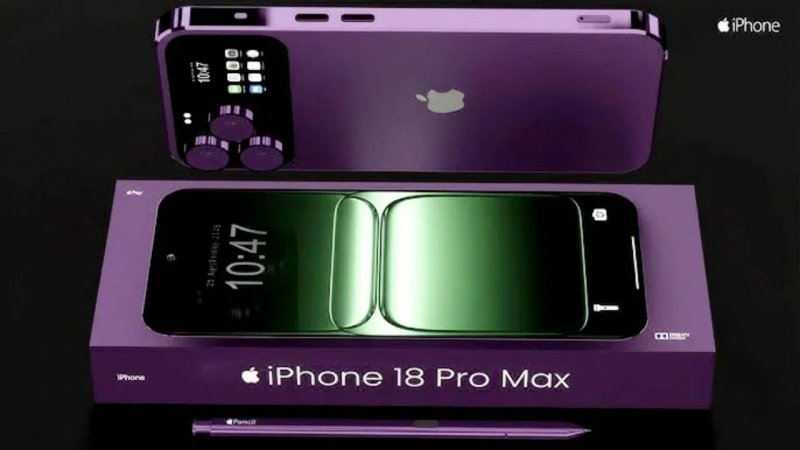
The iPhone 18 is the expected next-next generation of Apple’s flagship smartphone, following the iPhone 17 lineup, News.Az reports.
Despite being more than a year away, it is already generating attention because early supply-chain signals and analyst expectations point to changes that could be visible and meaningful to everyday users. In particular, discussions focus on a possible redesign of the front display on Pro models and a major leap in chip efficiency. These are not cosmetic tweaks; they directly affect how the phone looks, how long it lasts on a charge, and how smoothly it performs over time.
When is the iPhone 18 expected to launch?
Based on Apple’s long-standing release cycle, the iPhone 18 family is widely expected to debut in September 2026. However, a parallel narrative has emerged suggesting Apple may alter its strategy by staggering releases. In this scenario, higher-end Pro models would arrive in fall 2026, while standard models could be delayed until spring 2027. This idea has not been confirmed, but it reflects broader speculation that Apple’s expanding product lineup may no longer fit neatly into a single annual launch window.
Could Apple really split the launch between Pro and non-Pro models?
Yes, it is plausible, even if it ultimately does not happen. A split launch would give Apple more flexibility. Premium models would dominate the crucial holiday shopping season, while standard models could refresh sales momentum during the quieter first half of the following year. It would also allow Apple to introduce new form factors or experimental designs without overwhelming a single launch event. From a business perspective, the logic is sound, even if execution remains uncertain.
What models might be included in the iPhone 18 lineup?
At a minimum, Apple is expected to maintain its standard and Pro tiers, likely including a regular iPhone 18, an iPhone 18 Pro, and larger “Plus” or “Pro Max” variants. Beyond that, rumors diverge. Some speculate about a slimmer or lighter model positioned between standard and Pro devices, while others point to a longer-term plan that could eventually include a foldable iPhone. If Apple broadens the lineup, it would further support the idea of staggered releases.
Will iPhone 18 Pro display sizes change?
Current expectations suggest that display sizes will remain unchanged on Pro models. The iPhone 18 Pro is widely expected to stay around 6.3 inches, while the Pro Max would remain close to 6.9 inches. Apple appears comfortable with these dimensions, which balance usability with screen real estate, and there is little evidence that size itself is the focus of redesign efforts.
If sizes stay the same, what is changing about the display?
The main discussion centers on the visible cutout area at the top of the screen. Apple currently uses the Dynamic Island, which houses Face ID sensors and the front camera. For the iPhone 18 Pro, Apple is reportedly exploring ways to reduce how much of that hardware is visible. One possibility is under-display Face ID, leaving only a small camera hole. Another is a refined, smaller version of the Dynamic Island rather than a full shift to a pinhole design. The common thread is a cleaner, more immersive display.
Is under-display Face ID realistic for Apple?
Technically, yes, but Apple’s standards make it challenging. Under-display facial recognition requires sensors to work accurately through layers of screen material, which can interfere with light and image quality. Apple has historically delayed features until they meet strict reliability and security thresholds. The repeated resurfacing of this rumor suggests Apple is actively testing solutions, but also that the engineering challenges are significant. If under-display Face ID does arrive with iPhone 18 Pro, it would represent a major design milestone.
What is rumored about the iPhone 18 chip, and why does it matter?
The iPhone 18 Pro models are commonly linked to a next-generation Apple silicon chip, often referred to as the A20, potentially built using an advanced manufacturing process. For users, the importance lies less in the technical label and more in the outcome: improved power efficiency, stronger sustained performance, and more headroom for complex on-device tasks. These gains typically translate into longer battery life, smoother gaming, and faster photo and video processing.
Will iPhone 18 focus heavily on artificial intelligence features?
While specific features remain unclear, the direction is predictable. More efficient chips with stronger neural processing capabilities allow Apple to run more tasks directly on the device rather than in the cloud. This supports privacy-focused AI functions such as smarter photo processing, improved voice recognition, and real-time language features. The iPhone 18 generation is expected to continue this trend rather than introduce a single headline AI feature.
What camera upgrades are being discussed for iPhone 18 Pro?
One of the more intriguing ideas is the introduction of a variable aperture system on Pro models. This would allow the camera to physically adjust how much light enters the lens, improving performance in challenging lighting conditions and giving Apple more natural control over depth of field. Combined with ongoing advances in computational photography, such hardware changes could significantly enhance both photo and video quality. As with all early camera rumors, details should be treated cautiously.
What about battery life: should users expect a major improvement?
Battery life improvements are usually incremental, but they add up. If the iPhone 18 Pro adopts a substantially more efficient chip, users could see noticeable gains even without a larger battery. Some speculation also points to internal design changes that could allow for increased battery capacity. The most realistic expectation is better endurance under heavy use rather than a dramatic jump in advertised battery hours.
Could the iPhone 18 be more expensive?
Pricing is one of the least predictable aspects at this stage. Advanced chip manufacturing and new display technologies increase production costs, and Apple must decide whether to absorb those costs or pass them on to consumers. One possibility is sharper differentiation between standard and Pro models, with cutting-edge features reserved for higher-priced tiers. Whether this results in outright price increases will depend on broader market conditions at launch.
Should consumers wait for the iPhone 18 or buy earlier?
The answer depends on priorities. Users who value a cleaner front design and potential under-display Face ID may find the iPhone 18 Pro especially appealing. Those focused on battery efficiency and long-term performance could also benefit from waiting. However, anyone who needs a new phone now should not base their decision on early rumors, as final features often differ from initial expectations.
What is the most important thing to watch as new leaks emerge?
The clearest signal will be consensus. When multiple independent sources begin agreeing on the same display design or launch strategy, confidence increases. Right now, conflicting reports suggest Apple is still experimenting or keeping options open. As the iPhone 18 cycle progresses, alignment among sources will reveal which ideas are likely to make it into the final product.
Bottom line: what do we actually know with confidence today?
At this stage, confirmed information is minimal. The most consistent expectations are that iPhone 18 Pro models will retain current display sizes and that Apple is actively working to reduce the visual footprint of front-facing sensors. Everything else – from launch timing to camera hardware – remains informed speculation. As always with Apple, clarity will come closer to launch, when rumors give way to reality.


Similar news