Who is Mojtaba Khamenei?


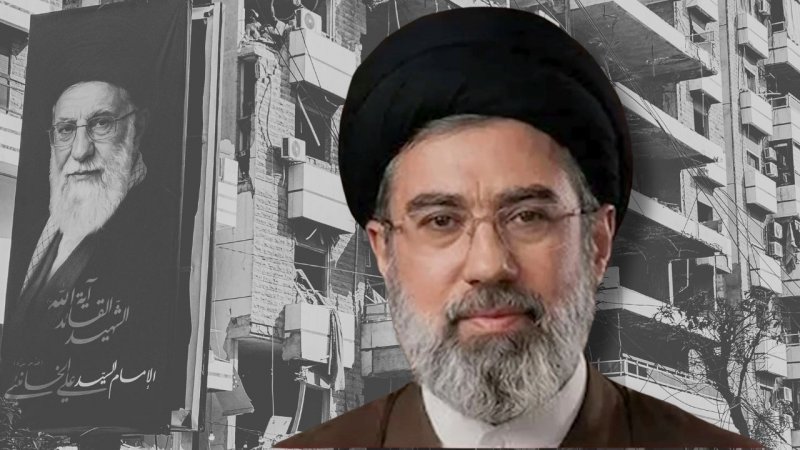
The name Mojtaba Khamenei has increasingly appeared in discussions about Iran’s leadership and the future of the Islamic Republic.
For years he remained a relatively obscure cleric who rarely spoke publicly and avoided media attention. Yet inside Iran’s political establishment he was widely believed to be one of the most influential figures behind the scenes.
RECOMMENDED STORIES
Mojtaba Khamenei is the second son of Iran’s long serving Supreme Leader Ayatollah Ali Khamenei. Although he never held major elected office, analysts and diplomats have long described him as a key power broker within the Iranian political system. His influence has been linked to Iran’s security institutions, clerical networks, and conservative political factions.
Because of his connections and influence, Mojtaba Khamenei has often been mentioned as a possible successor to his father, raising debate inside and outside Iran about the future leadership of the country.
This explainer answers the most important questions about Mojtaba Khamenei, his background, his influence, and why he matters in Iran’s politics.
What is Mojtaba Khamenei known for
Mojtaba Khamenei is known primarily as a powerful figure within Iran’s ruling establishment who operates largely behind the scenes.
Despite rarely appearing in public or speaking to the media, he has been described by analysts as one of the most influential individuals in Iran’s political system. His influence stems largely from his close relationship with his father and his connections to key institutions such as the Islamic Revolutionary Guard Corps and the Basij militia.
For years many Iranian political observers have believed that Mojtaba helped coordinate relationships between conservative clerics, security forces, and political factions.
His role is often described as that of a political intermediary who helps manage internal power dynamics within the Islamic Republic.
When and where was Mojtaba Khamenei born
Mojtaba Hosseini Khamenei was born on September 8, 1969 in the northeastern Iranian city of Mashhad.
Mashhad is one of the most important religious cities in Iran and the broader Shia Muslim world. It is home to the shrine of Imam Reza, which attracts millions of pilgrims each year.
Growing up in Mashhad meant Mojtaba was surrounded by religious scholarship and clerical culture from an early age.
His family was already deeply involved in religious and revolutionary politics. His father Ali Khamenei was a cleric who later became one of the key leaders of the Iranian revolution.
What was Mojtaba Khamenei’s childhood like
Mojtaba Khamenei grew up during one of the most dramatic periods in modern Iranian history.
When he was a child, Iran was still ruled by Shah Mohammad Reza Pahlavi. But in 1979 a revolution transformed the country and established the Islamic Republic.
His father became a prominent revolutionary figure during this period. Later Ali Khamenei served as Iran’s president and eventually became the country’s supreme leader in 1989.
This meant Mojtaba grew up inside the inner circle of the new political system that emerged after the revolution.
He was exposed early to Iran’s clerical leadership, revolutionary ideology, and political power structures.
Did Mojtaba Khamenei fight in the Iran Iraq war
Reports indicate that Mojtaba Khamenei participated in the Iran Iraq war during the late 1980s.
The war lasted from 1980 to 1988 and was one of the longest and most devastating conflicts in the Middle East in the twentieth century.
Many young Iranians volunteered or were mobilized to fight during the war. Mojtaba reportedly served alongside forces connected to the Islamic Revolutionary Guard Corps.
The war left a lasting mark on Iranian political culture. Many of today’s leaders and commanders gained their early experience during that conflict.
For Mojtaba, the war helped build relationships with military and security institutions that later became central to his influence.
Where did Mojtaba Khamenei study
After completing his early education in Tehran, Mojtaba Khamenei pursued religious studies in the city of Qom.
Qom is the most important center of Shia Islamic scholarship in Iran. Many senior clerics and religious scholars are trained there.
Mojtaba studied Islamic theology and jurisprudence under prominent clerics.
Over time he developed a reputation as a religious scholar, although he did not initially hold the highest clerical rank traditionally associated with Iran’s supreme leadership.
Nevertheless his religious training gave him credibility within Iran’s clerical establishment.
What role did Mojtaba Khamenei play in politics
Unlike many political figures in Iran, Mojtaba Khamenei has never held a high profile elected position.
Instead he is believed to have operated behind the scenes within the office of the supreme leader.
Many analysts describe him as a key adviser and gatekeeper who helped coordinate political communication between different factions of Iran’s ruling elite.
Because access to the supreme leader is tightly controlled, individuals who manage this access often gain significant influence.
Observers believe Mojtaba played a role in shaping political decisions, advising conservative figures, and maintaining relationships with powerful institutions.
Why is Mojtaba Khamenei considered influential
Several factors explain Mojtaba Khamenei’s influence.
First, his family connection to the supreme leader places him at the center of Iran’s political system.
Second, he developed strong relationships with Iran’s security institutions, particularly the Revolutionary Guard and the Basij.
Third, his position within the supreme leader’s office allowed him to interact with senior officials, clerics, and military commanders.
Together these factors created a network of influence that extended across multiple power centers in Iran.
Although much of this influence operates behind the scenes, it has made Mojtaba one of the most discussed figures in Iranian politics.
What is his relationship with the Revolutionary Guard
The Islamic Revolutionary Guard Corps is one of the most powerful institutions in Iran.
The IRGC controls significant military forces and also has influence in politics, business, and regional security operations.
Mojtaba Khamenei is believed to have developed close ties with several commanders in the Revolutionary Guard.
These connections strengthened his position within Iran’s power structure.
Support from the Revolutionary Guard can play a decisive role in political stability in Iran. Maintaining good relations with this institution has therefore been critical for many political leaders.
Why has Mojtaba Khamenei been mentioned as a possible successor
Because Ali Khamenei has ruled Iran for decades, questions about succession have long been discussed inside the country.
Several clerics and political figures have been mentioned as potential successors.
Among them Mojtaba Khamenei has frequently appeared in discussions because of his proximity to power and his relationships with key institutions.
Some analysts believe that his experience inside the supreme leader’s office and his connections with security forces could position him as a strong candidate in any future leadership transition.
However the process of selecting a supreme leader is formally controlled by the Assembly of Experts, a body of senior clerics.
Why would a father to son succession be controversial
The Islamic Republic was established after the 1979 revolution that overthrew a monarchy.
One of the core arguments of the revolution was opposition to hereditary rule.
Because of this history, some critics argue that a father to son leadership transition would resemble dynastic succession similar to a monarchy.
Supporters of Mojtaba however argue that leadership should depend on qualifications and political support rather than family background.
This debate remains one of the most sensitive topics in discussions about Iran’s future leadership.
What are Mojtaba Khamenei’s political views
Mojtaba Khamenei is generally associated with conservative and hardline political factions within Iran.
These groups emphasize the importance of maintaining Iran’s revolutionary ideology and resisting pressure from Western countries.
Hardline factions also tend to support a strong security state and emphasize the role of religious authority in politics.
Although Mojtaba rarely speaks publicly, analysts believe his views are broadly aligned with the policies pursued during his father’s leadership.
These policies include resistance to foreign pressure, support for regional allies, and emphasis on national sovereignty.
Has Mojtaba Khamenei faced international sanctions
Yes.
Some Western governments have imposed sanctions on Mojtaba Khamenei due to his alleged role within Iran’s leadership network.
These sanctions were part of broader measures targeting individuals connected to Iran’s political and security institutions.
Sanctions are intended to limit financial transactions and international travel.
For many Iranian officials these restrictions have become a common feature of geopolitical tensions between Iran and Western countries.
What is known about Mojtaba Khamenei’s personal life
Compared with many political figures, Mojtaba Khamenei maintains a very low public profile.
He rarely gives interviews and almost never appears in televised speeches.
He is married to Zahra Haddad Adel, the daughter of a prominent Iranian political figure and former parliamentary speaker.
The marriage connected Mojtaba with another influential family within Iran’s political establishment.
Despite his political influence, very little information about his daily life is publicly available.
Why does Mojtaba Khamenei avoid media attention
Maintaining a low profile has been a consistent feature of Mojtaba Khamenei’s political strategy.
By avoiding public statements and media appearances, he has remained largely shielded from direct political criticism.
Operating behind the scenes can allow political figures to exercise influence without becoming a visible target in public debates.
This approach has also contributed to the aura of mystery surrounding his role in Iran’s politics.
What challenges could Mojtaba face in the future
If Mojtaba Khamenei were to assume a more formal leadership role in the future, he would face significant challenges.
Iran is currently dealing with multiple pressures including economic sanctions, domestic political tensions, and regional conflicts.
Managing these challenges requires balancing the interests of different institutions within the country.
These include the clerical establishment, the Revolutionary Guard, elected political bodies, and the wider public.
Maintaining stability while addressing economic and social concerns would be a central challenge for any future Iranian leader.
How might Mojtaba Khamenei shape Iran’s future
The future role of Mojtaba Khamenei depends on how Iran’s political system evolves.
If he continues to play a key role within the leadership structure, his influence could shape the country’s strategic direction.
This includes decisions about foreign policy, security strategy, and relations with neighboring countries.
Iran occupies a central position in Middle Eastern geopolitics, meaning its leadership decisions often have regional and global consequences.
For this reason political observers around the world closely watch figures like Mojtaba Khamenei.
Why do analysts pay attention to him
Analysts monitor Mojtaba Khamenei because he represents an important link between different centers of power in Iran.
He connects the clerical establishment, the security apparatus, and conservative political networks.
Understanding these connections helps analysts interpret the internal dynamics of the Iranian political system.
Even without a formal position, individuals who influence these networks can play a major role in shaping policy decisions.
This is why Mojtaba Khamenei has become a subject of intense interest among journalists, diplomats, and researchers studying Iran.
The bottom line
Mojtaba Khamenei remains one of the most intriguing and influential figures in Iran’s political system.
Born into one of the country’s most powerful clerical families, he grew up during the revolutionary transformation that reshaped Iran.
Over the years he built connections with religious leaders, political elites, and powerful security institutions.
Although he rarely appears in public, his role within the networks of power surrounding Iran’s leadership has attracted significant attention.
Whether his influence remains behind the scenes or evolves into a more formal leadership role, Mojtaba Khamenei will likely continue to play an important part in shaping the future of the Islamic Republic.
By Faig Mahmudov


Similar news