Why coffee was once condemned – and how it conquered the world


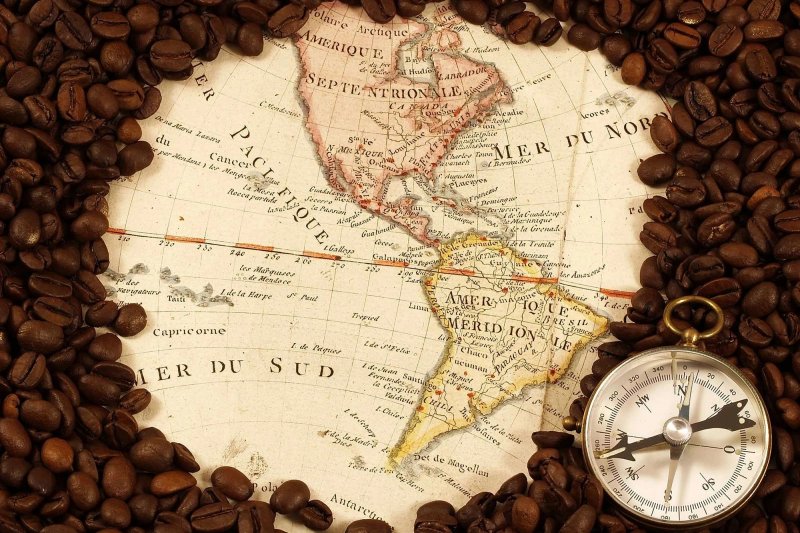
For centuries, coffee has travelled across continents, sailed with traders, influenced revolutions, energised workers, inspired artists and reshaped economies, News.Az reports.
Yet it was not always welcomed. At different moments in history, coffee was feared, banned and even labelled the “devil’s brew.” Today it is one of the world’s most significant agricultural commodities and a defining part of global culture.
This explainer traces that journey through key questions and answers.
What are the earliest origins of coffee?
The story of coffee begins in East Africa, most likely in the Ethiopian highlands, where wild coffee plants still grow. A popular legend tells of a goat herder named Kaldi who noticed his animals becoming unusually energetic after eating bright red berries from a shrub. Curious monks are said to have taken the berries, experimented with them and eventually prepared a drink that helped them stay awake during prayers.
Historians caution that this tale is probably mythical, but it captures a truth: coffee has long been associated with alertness, ritual and community. Written evidence confirms that by the 15th century coffee was being cultivated and consumed in Yemen, where Sufi mystics valued it for sustaining concentration during devotional practices.
How did coffee spread from the Middle East to the rest of the world?
From Yemen, coffee spread across the Middle East and North Africa. Coffee houses – known as qahveh khaneh – appeared in cities such as Mecca, Cairo, Damascus and Istanbul. These venues were not simply places to drink but social institutions. People gathered there to talk, play board games, listen to music, exchange news and debate politics. For many historians, early coffee houses functioned as the world’s first public information hubs.
Merchants and travellers carried both beans and knowledge of the drink across the Ottoman Empire and onward across the Mediterranean. By the mid-1600s, coffee had reached Venice, Marseille, Amsterdam and London.
Why was coffee sometimes called the “devil’s brew”?
Coffee’s rapid spread provoked controversy. Religious leaders in various regions questioned whether this powerful dark liquid was morally acceptable. Some Middle Eastern rulers briefly banned it, fearing that animated discussions inside coffee houses might encourage political dissent.
In Europe, suspicion also grew. In 1615, Venetian clergy reportedly warned Pope Clement VIII that coffee was a satanic creation and should be forbidden. According to historical accounts, the Pope insisted on tasting it before making a decision. He liked it and allowed its continued use. Whether embellished or not, this story captures the tension between fear of the unfamiliar and enthusiasm for a transformative new beverage.
How did coffee shape European society?
Europe’s first coffee houses soon became hubs of commercial and intellectual activity. In London, they were nicknamed “penny universities” because, for the price of a cup, patrons could listen to debates, read newspapers and exchange ideas. These establishments attracted merchants, scientists, writers and politicians.
Several significant institutions trace their roots to London coffee houses. Early insurance markets took shape in these spaces, including the famous Lloyd’s of London. Similar developments occurred elsewhere. In Paris, Vienna and Amsterdam, cafés served as informal centres of intellectual and artistic life, linking coffee to the ideals of the Enlightenment such as reason, debate and public dialogue.
What role did colonialism play in the expansion of coffee production?
While coffee culture grew in Europe, coffee itself could not be grown there. This created incentives for colonial powers to cultivate the crop abroad. Dutch traders smuggled coffee plants from Arabia and established plantations in Java, giving rise to the term “java” as a synonym for coffee. The French and British then extended production into the Caribbean, South America and parts of Asia.
This growth was inseparable from colonialism and forced labour, including widespread use of enslaved workers on plantations in the Americas. The economics of coffee became deeply intertwined with global power structures and inequalities. During the 19th century, Brazil emerged as the world’s dominant coffee producer, a position it still holds today.
When did coffee become a normal part of everyday life?
By the 1800s, coffee had shifted from luxury to routine in many regions. Urbanisation and industrialisation meant people were working in concentrated environments and structured schedules. Coffee became associated with productivity, alertness and modern life.
Technological advances strengthened this trend. Vacuum-sealed tins helped preserve beans. Instant coffee, first appearing in the early 20th century, added convenience. Espresso machines revolutionised European café culture. Over time, coffee became embedded in daily rituals across households and workplaces.
Why were governments sometimes hostile to coffee houses?
Authorities across history sometimes worried about what happened inside coffee houses. In the Ottoman Empire, they were periodically closed because rulers feared gatherings could incubate dissent. In 18th-century Sweden, coffee was so mistrusted that not only the drink but cups and dishes associated with it were confiscated.
In London, political pamphlets often circulated through coffee houses, intensifying government unease. Yet attempts to suppress coffee rarely worked for long. Public appetite for the drink – and the conversations it enabled – consistently overcame prohibition.
How did cafés become cultural icons?
During the 19th and 20th centuries, cafés evolved into cultural landmarks. In Paris, cafés were the meeting places of poets and philosophers. In Italy, espresso bars shaped the rhythm of urban life. Later, global coffeehouse chains helped introduce espresso-based drinks to countries that did not historically have such traditions.
Alongside this mass-market expansion, a “third-wave” movement emerged, emphasising bean origin, roasting craftsmanship and ethical sourcing. This trend reframed coffee not simply as a commodity but as an agricultural and artisanal product with value rooted in skill, geography and sustainability.
What are the economic and social impacts of today’s coffee industry?
Coffee is now one of the most traded agricultural products in the world. Millions of farmers rely on it for their livelihoods, particularly in Latin America, Africa and Asia. However, global price volatility, climatic pressures and labour conditions create persistent challenges for producing communities.
Sustainability labels and fair-trade initiatives aim to address some of these inequalities, though debates continue about their effectiveness. Meanwhile, climate change poses a direct threat to coffee cultivation through unpredictable weather, disease and rising temperatures.
Why is coffee such a powerful cultural symbol?
Coffee is more than a product; it is a social medium. From Ethiopian ceremonies to Middle Eastern qahveh khaneh and modern urban cafés, coffee has always been associated with connection, conversation and creativity.
It also symbolises modernity and productivity. Unlike alcohol, which was often linked historically with leisure or escape, coffee has been viewed as a stimulant that sharpens rather than dulls the mind. This association helped align coffee with intellectual life, journalism, science and political debate.
How did coffee move from suspicion to acceptance?
The transformation of coffee’s reputation mirrors broader social change. At first, it was an exotic, misunderstood substance associated with unfamiliar cultures and feared for its effects. Over time, its social uses – conversation, business, cultural exchange – reduced suspicion. Governments that once banned coffee eventually tolerated or embraced it.
By the 19th and 20th centuries, coffee had shifted from moral controversy to cultural staple. The drink that some once labelled the “devil’s brew” became, instead, a symbol of social vitality and global connection.
What does the future of coffee look like?
Coffee’s future will be shaped by science, technology, culture and climate. Researchers are exploring new agricultural techniques to protect crops from disease and environmental change. Consumers are increasingly attentive to transparency, traceability and the socioeconomic realities behind each supply chain. Meanwhile, café culture continues to evolve, blending tradition with innovation in design, service and storytelling.
Despite uncertainty, one theme remains consistent across centuries: coffee adapts. From Ethiopian forests to Yemeni monasteries, from Ottoman salons to European “penny universities,” from colonial plantations to contemporary cafés, coffee has continually reinvented its social meaning.
So how did coffee become our global favourite?
Coffee’s rise cannot be explained by taste or chemistry alone. It prospered because it sat at the intersection of trade, technology, religion, politics and culture. It energised labour forces, fuelled conversation, influenced revolutions, inspired art and shaped economic systems. It survived bans, religious scrutiny and political suspicion. And in the process, it became one of the world’s most recognisable cultural connectors.
Once distrusted, now familiar, coffee’s story is a reminder that the world’s most ordinary habits often began as radical novelties. The “devil’s brew” of old has become, for many societies, an everyday companion – a symbol of community, creativity and the constant exchange of ideas that defines modern life.


Similar news