Why Mogadishu clashes are deepening Somalia’s political crisis again


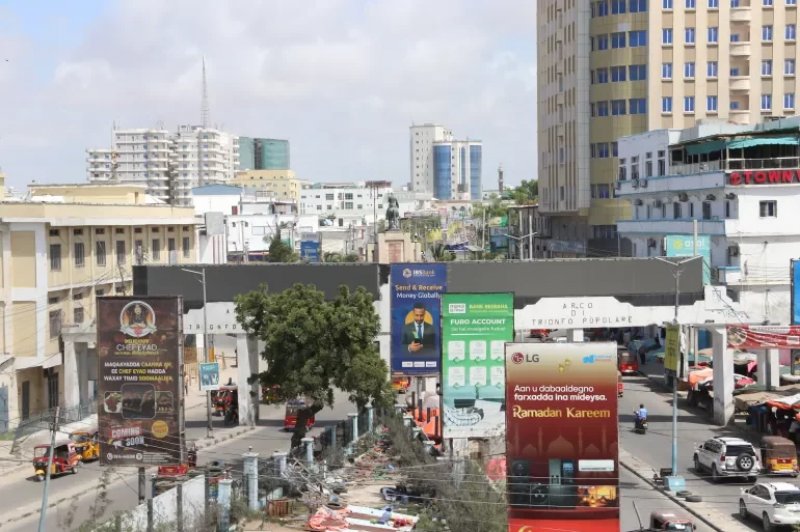
Mustafa, 33, dreads election time in Somalia. He drives a bajaj — a three-wheeled taxi — and says that when tensions rise, as they always do when polls are near, the whole city feels it, and drivers like him are among the first.
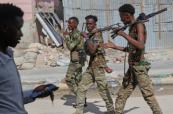
On Wednesday, he was passing through the Hawl Wadaag district when heavy gunfire between government and opposition forces erupted all around him, News.az reports.
“I couldn’t even think. Everyone was shouting and running for their lives, and we all fled from the bullets,” he told Al Jazeera. “We haven’t seen fighting this bad in years.”
The shooting that began that afternoon around the homes of former Prime Minister Hassan Ali Khaire and, later, former President Sheikh Sharif Sheikh Ahmed, came as opposition figures were planning to organise protests against what they describe as an illegal term extension by incumbent President Hassan Sheikh Mohamud.
Khaire and Sharif Sheikh Ahmed were among opposition leaders spreadheading the planned protests amid rising tensions with the federal government.
The government said the planned protests would undermine security in a city still grappling with persistent armed violence.
Hundreds of families fled neighbourhoods near the fighting, and by the next day, many of the capital’s central areas had emptied. The sudden eruption of violence ended a period of improving security in Mogadishu, shattering the perception that the city had begun turning a corner.
“The most frustrating thing is that we have nothing to do with it, and it impacts so many of us,” Mustafa said. “We make our living in this city”.
Somalia’s political crisis has deepened as armed clashes in Mogadishu expose growing divisions over constitutional reforms and the country’s electoral future.
Security forces sealed off Maka al Mukarama Road, one of the capital’s main thoroughfares, while Bakara Market, Mogadishu’s largest commercial center, largely shut down. Businesses across the city suffered significant disruptions, with Somalia’s deputy central bank governor, Ali Wardheere, estimating direct losses at around $3.8 million, although he stressed the figure was only a projection.
The unrest comes amid a dispute over President Hassan Sheikh Mohamud’s mandate and plans for constitutional reform. Somalia has not held a direct national election since the late 1960s. Since the reestablishment of the state in 2012, political leaders have been chosen through an indirect system involving clan elders and political elites.
Tensions escalated after parliament approved constitutional amendments that President Mohamud says extend his mandate by an additional year from May 15. Opposition leaders reject that interpretation and have begun referring to him as a former president. The disagreement has been compounded by the absence of a constitutional court capable of resolving the dispute.
The standoff has revived memories of the 2021 political crisis, when former President Mohamed Abdullahi Farmaajo remained in office beyond the expiration of his term, leading to armed confrontations before a political settlement was reached.
Opposition figures, including former President Sharif Sheikh Ahmed and former Prime Minister Hassan Ali Khaire, accuse the government of using military force against political rivals. Government officials, meanwhile, allege that opposition groups militarized the dispute and deployed armed supporters across the capital.
The roots of the crisis lie in Somalia’s 2012 provisional constitution, which established a federal parliamentary system based on clan power sharing. Supporters of the recent amendments argue that they are necessary to complete state building and pave the way for a one person, one vote electoral system. Critics argue that the process lacked broad political consensus and risks undermining the fragile federal arrangement that has held the country together.
The opposition coalition, known as the Somali Future Council, contends that the push for direct elections could be used to prolong the president’s tenure. The government denies those accusations and insists that direct elections are essential for democratic progress.
The political divide has widened beyond Mogadishu. The federal states of Puntland and Jubaland have rejected the constitutional amendments and withdrawn from participation in the federal framework. More than 100 lawmakers reportedly boycotted the final parliamentary vote.
The crisis unfolds as Somalia faces multiple challenges, including ongoing security threats, humanitarian pressures, aid reductions and a growing risk of hunger in some regions. Analysts and community leaders warn that without a broad political compromise, the country could face further instability at a time when many Somalis are seeking greater security, economic opportunity and democratic participation.
By Faig Mahmudov


Similar news